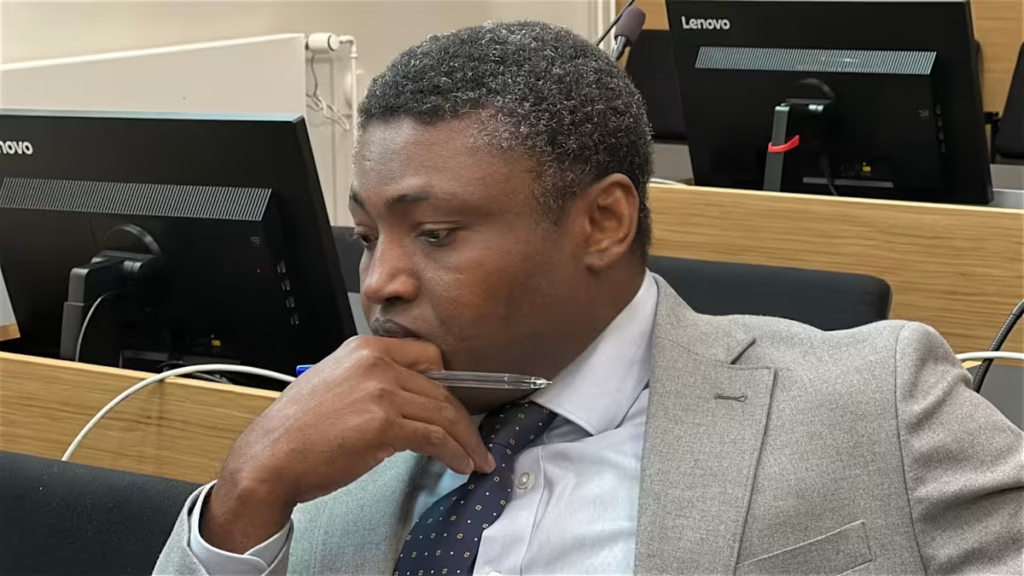
On September 1, 2025, the Päijät-Häme District Court in Finland handed down a six-year prison sentence to Simon Ekpa, a polarizing figure in Nigeria’s South-East whose social media clout has fueled the flames of Biafran separatism.
Convicted for inciting terrorism and participating in a terrorist organization, Ekpa’s fall from grace as a self-proclaimed Biafran leader is a moment to reflect on what this means for a region battered by unrest, fear, and economic stagnation. As someone who’s watched the South-East grapple with the ripple effects of his actions, I believe this verdict could be a pivotal moment, but only if Nigeria seizes the opportunity to address the root causes of agitation rather than just silencing a loud voice.
Ekpa, a 54-year-old dual Nigerian-Finnish citizen and former Lahti councillor, wielded his significant following on X to orchestrate chaos from thousands of miles away. Between August 2021 and November 2024, he didn’t just preach Biafran independence; he actively encouraged violence, supplied weapons, and pushed for crippling “sit-at-home” orders that paralyzed daily life in states like Anambra, Enugu, and Imo.
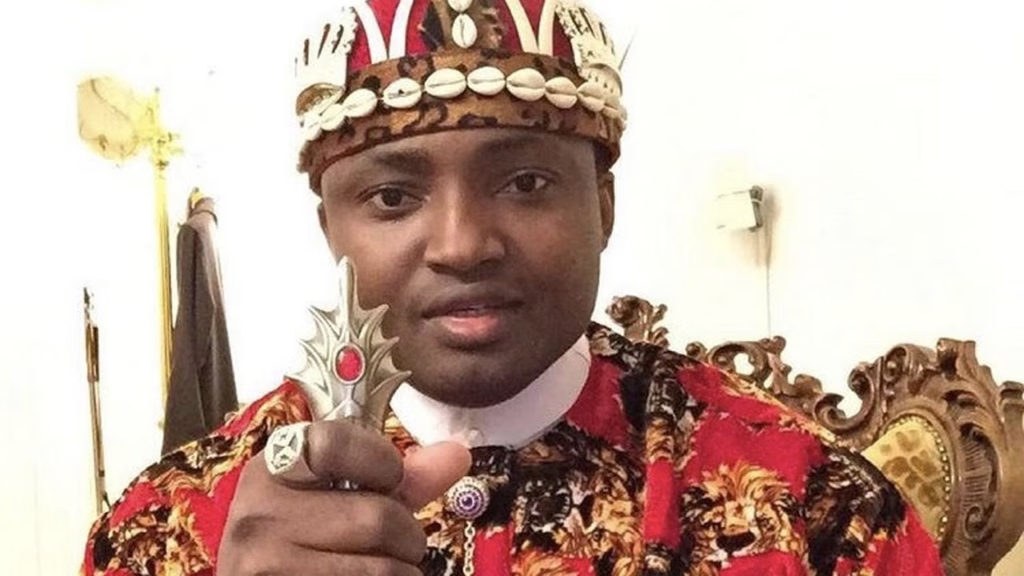
The court’s ruling laid bare his role: using digital platforms to arm militant groups and incite attacks on civilians and security forces. Operating from Finland gave him a false sense of invincibility, but the Finnish judiciary’s decisive action proves that the long arm of international law can reach even the most slippery agitators.
This sentence is a wake-up call. For too long, Ekpa’s broadcasts have held the South-East hostage, turning markets into ghost towns and schools into no-go zones. His enforced lockdowns cost billions in economic losses, with traders in Onitsha and Aba counting the scars of shuttered businesses.
The Nigerian government’s jubilation, calling the verdict a “major victory” through Minister of Information Mohammed Idris, has merit. Stripping Ekpa of his megaphone could loosen his grip on the region, potentially easing the violence that’s claimed lives and stifled progress. Fewer calls for bloodshed from abroad might mean safer roads, open shops, and kids back in classrooms.
But let’s not pop the champagne just yet. Ekpa’s imprisonment doesn’t erase the deep-seated grievances fueling Biafran agitation. The South-East’s cries for equity, infrastructure, and political inclusion predate Ekpa and will outlive him. His absence could create a vacuum, and history shows that vacuums breed chaos. Other factions, perhaps more radical, might compete to fill his shoes, turning him into a martyr for the cause.
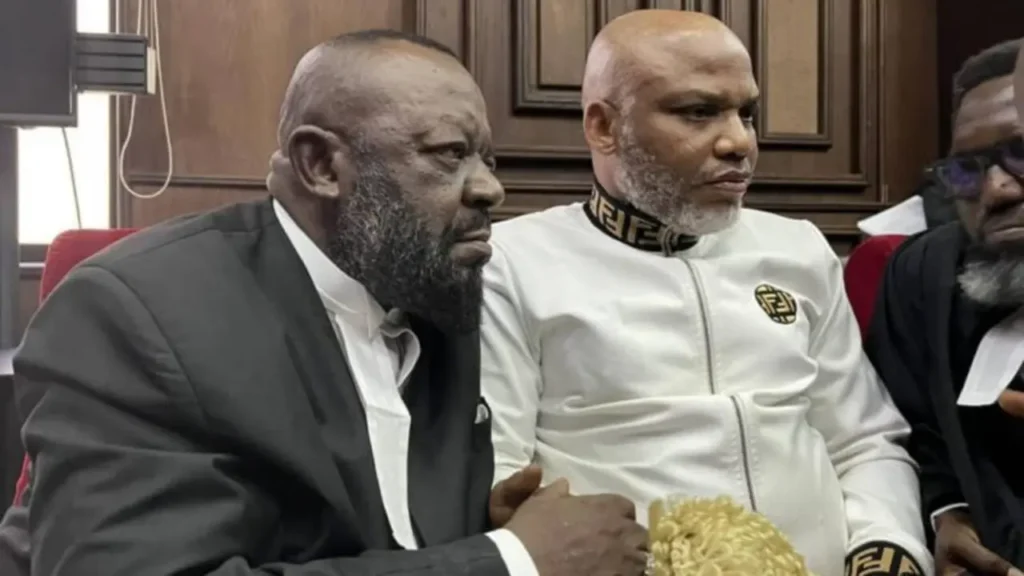
The Indigenous People of Biafra (IPOB), already fractured since Nnamdi Kanu’s detention, could splinter further, escalating tensions rather than resolving them. Nigeria’s government must resist the urge to see this as a final victory and instead double down on addressing the region’s systemic issues, unemployment, underdevelopment, and perceived marginalization.
There’s also the question of what comes next for Ekpa. Nigeria labeled him a “terrorism financier” in March 2025, and whispers of extradition are growing louder. If he’s brought back to face Nigerian courts, it could either quell or inflame separatist sentiments, depending on how it’s handled. A transparent legal process might signal accountability, but any hint of persecution could ignite fresh unrest. The government must tread carefully, balancing justice with the need to avoid isolating an already frustrated region.
On a broader scale, this case is a stark reminder of the power and peril of digital platforms. Ekpa’s X account wasn’t just a soapbox; it was a weapon, rallying followers to violence from the safety of Lahti. The Finnish court’s ruling sets a precedent: online incitement isn’t free speech when it fuels terrorism. It’s a call for global tech companies and governments to tighten the screws on cyber-incitement, especially when it crosses borders. Nigeria, with its vibrant digital space, should take note and push for stronger international cooperation to curb such threats.
For the South-East, the hope is that Ekpa’s silencing opens a window for dialogue. The region’s people deserve more than endless curfews and fear. They need investment, jobs, and a government that listens. President Tinubu’s administration, which recently boasted of economic stabilization, must channel some of that non-oil revenue into rebuilding trust in the South-East. Community engagement, not just military crackdowns, is the path to lasting peace. If Ekpa’s sentence can shift the conversation from bullets to ballots, from sit-at-homes to open markets, it might just be the turning point the region needs. But that depends on whether Nigeria chooses healing over pride.
What You Should Know
Simon Ekpa’s six-year sentence on September 1, 2025, by Finland’s Päijät-Häme District Court for terrorism-related charges is a blow to Biafran separatism, driven by his social media incitement and arming of militants from 2021 to 2024.
For Nigeria’s South-East, it could reduce violence and economic disruptions from his “sit-at-home” orders, but risks creating a martyr or factional rivalries. Nigeria may pursue extradition, which could either stabilize or inflame tensions.
The verdict highlights the global threat of online incitement, urging stronger international action. The South-East needs investment and dialogue to address root causes, leveraging Tinubu’s reported economic gains for lasting peace.