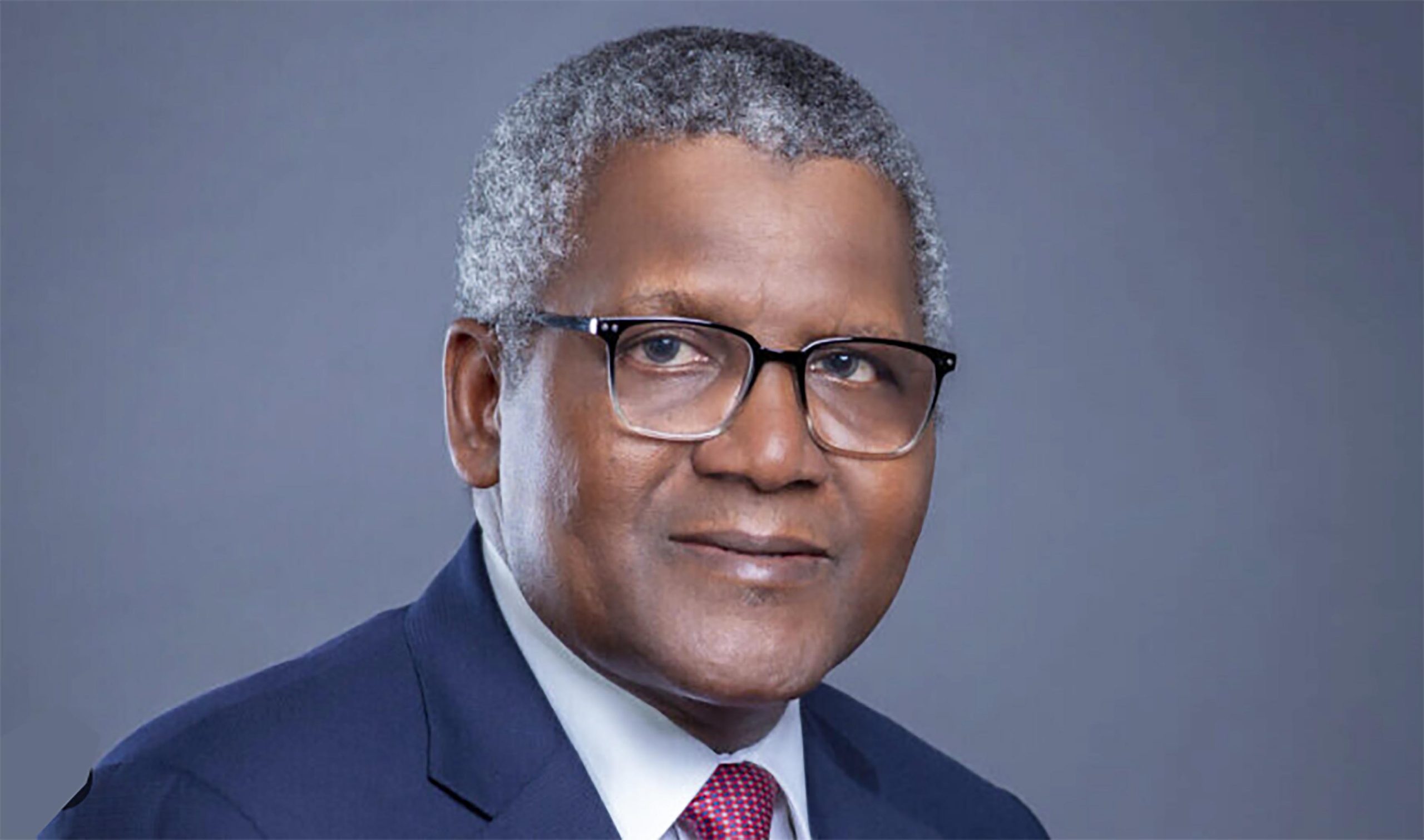
In a transformative agreement that could fundamentally alter Ethiopia’s agricultural landscape, billionaire industrialist Aliko Dangote has committed $2.5 billion to construct what will become one of Africa’s largest fertilizer production facilities, marking the latest chapter in the continent’s push toward industrial self-sufficiency.
The deal, formalized Thursday in the Ethiopian capital, establishes a joint venture between Dangote Group and state-owned Ethiopian Investment Holdings, with the Nigerian magnate holding a controlling 60% stake in the massive industrial project. The facility will rise in Ethiopia’s eastern Somali region, strategically positioned near the country’s untapped natural gas reserves.
Addressing a Critical Economic Vulnerability
The timing of this partnership underscores Ethiopia’s urgent need to address a glaring economic inefficiency that has long plagued its agricultural sector. Despite farming contributing more than one-third of the nation’s gross domestic product—a dependency rate among the highest globally—Ethiopia paradoxically spends approximately $1 billion annually importing the very fertilizers its farmers desperately need.
This costly contradiction has left Ethiopian agriculture vulnerable to global supply chain disruptions and price volatility, challenges that became particularly acute during recent geopolitical tensions that sent fertilizer prices soaring worldwide.
Prime Minister Abiy Ahmed, whose administration has prioritized economic transformation since taking power, framed the agreement as nothing short of a “landmark” achievement for national food security. His statement emphasized the project’s potential to create substantial local employment while ensuring “a reliable fertilizer supply for our farmers who have long faced challenges.”
Industrial Scale and Strategic Integration
The planned facility promises impressive production capacity, targeting 3 million tons of annual fertilizer output once fully operational. This scale would position it among Africa’s premier fertilizer production sites, potentially serving not only Ethiopia’s domestic needs but regional markets across the Horn of Africa.
The project’s infrastructure component reveals sophisticated planning, with a dedicated pipeline system connecting the plant to the Calub and Hilala natural gas fields in southeastern Ethiopia. This direct energy link should provide cost advantages and supply security, critical factors for maintaining competitive production in global fertilizer markets.
Construction timelines indicate a 40-month development period, suggesting operations could commence by late 2028 if the schedule proceeds as planned.
Continental Ambitions
For Dangote, whose estimated $15.5 billion fortune makes him Africa’s wealthiest individual, the Ethiopian venture represents another strategic expansion of his industrial empire across the continent. His Dangote Group already operates cement facilities in 10 African nations and runs a substantial 3 million-ton fertilizer complex in Nigeria that launched operations in 2021.
The industrialist’s public statements reflect broader pan-African development themes, describing the partnership as “a pivotal moment in our shared vision to industrialize Africa and achieve food security across the continent.” This rhetoric aligns with continental initiatives promoting intra-African trade and reducing dependency on external suppliers.
Economic Implications
Ethiopian Investment Holdings emphasized the project’s potential to “significantly cut Ethiopia’s dependence on fertilizer imports,” a development that could provide substantial relief for the country’s foreign exchange reserves. With Ethiopia facing persistent currency pressures and foreign debt obligations, reducing billion-dollar import bills could free up critical hard currency for other development priorities.
The agricultural sector’s outsized role in Ethiopia’s economy makes fertilizer access particularly crucial. Improved fertilizer availability could boost crop yields, potentially increasing rural incomes and food security for a population of approximately 120 million people, many of whom depend directly or indirectly on farming for their livelihoods.
However, success will ultimately depend on execution quality, regulatory stability, and market conditions over the multi-year development period. Previous large-scale industrial projects in the region have faced various challenges, from infrastructure constraints to political uncertainties.
The agreement nonetheless signals growing confidence in Ethiopia’s investment climate and represents a significant vote of confidence in the country’s long-term economic prospects from one of Africa’s most successful entrepreneurs.
WHAT YOU SHOULD KNOW
Africa’s richest man, Aliko Dangote, is investing $2.5 billion to build Ethiopia’s first major fertilizer plant, a game-changing deal that could end the country’s costly $1 billion annual fertilizer imports while boosting food security for millions of people.
The facility will produce 3 million tons annually starting in 2028, representing a critical step toward African industrial self-sufficiency and reducing the continent’s dependency on foreign suppliers for essential agricultural inputs.