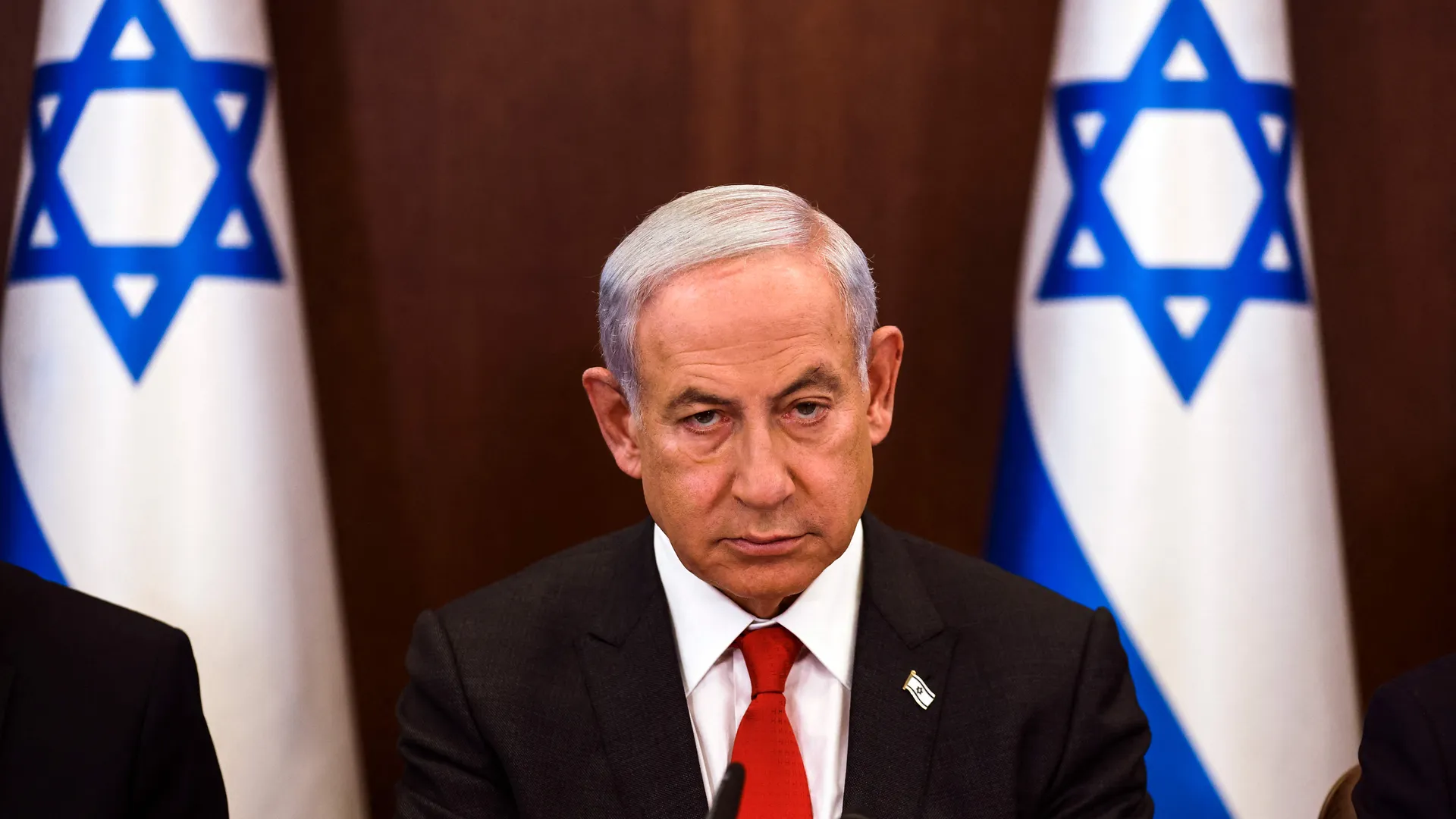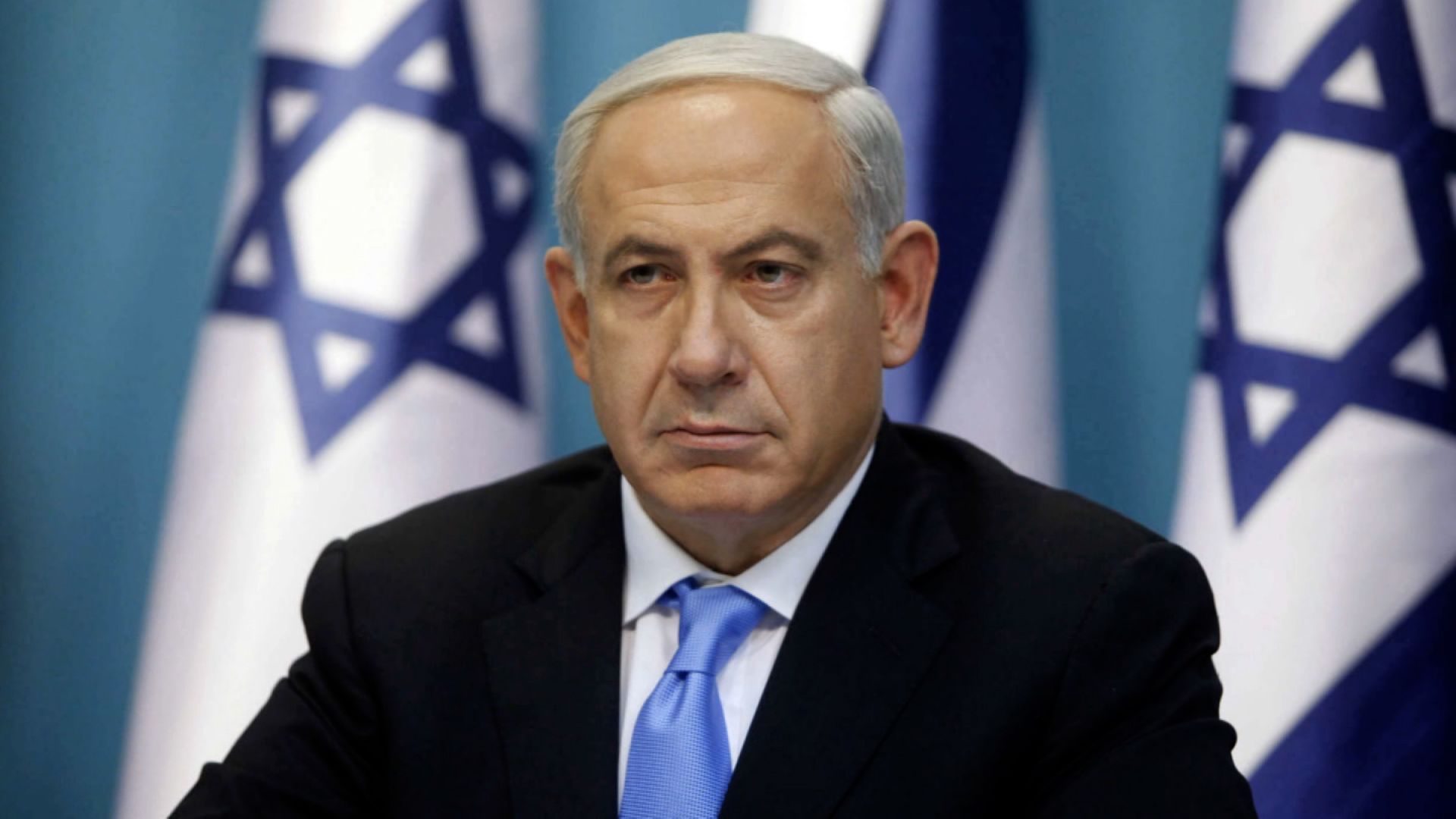
Israeli Prime Minister Benjamin Netanyahu announced on Monday that Israel is prepared to support Lebanon’s efforts to disarm Hezbollah, proposing “a phased” withdrawal of Israeli forces if Beirut implements its plan to seize the group’s weapons.
The development follows last year’s war between Israel and the Iran-backed Hezbollah, after which the Lebanese army began deploying troops in the south and dismantling Hezbollah’s infrastructure. Earlier this month, Lebanon’s cabinet instructed its army to present a strategy for disarming the group by year’s end, a task long considered politically sensitive.
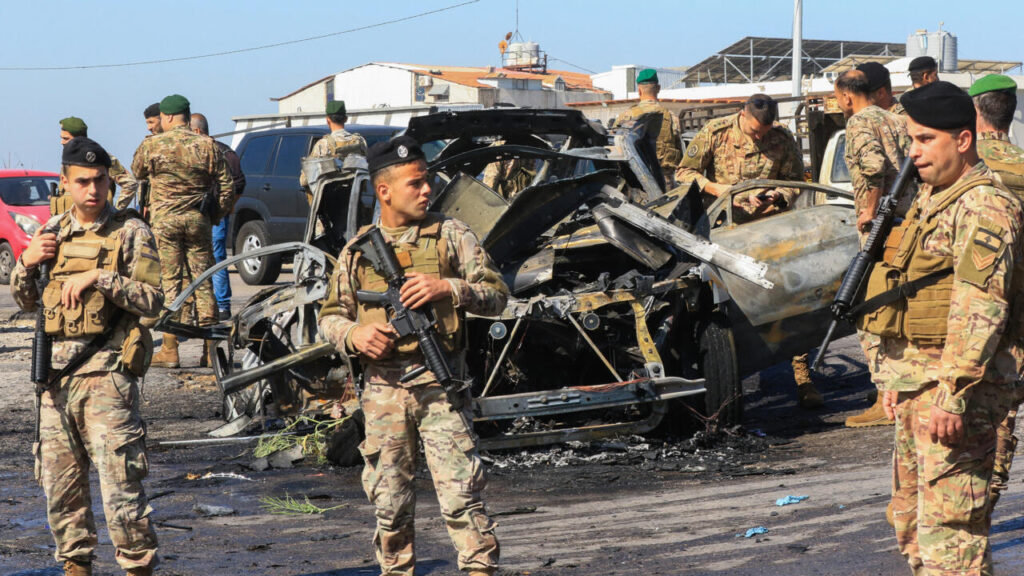
Although a ceasefire was declared in November to end the war, Israel has continued to carry out strikes in Lebanon, insisting that operations will not stop until Hezbollah is disarmed. Israeli forces also remain in control of five areas in the south, describing them as critical to their security.
In a statement released by his office, Netanyahu emphasized Israel’s willingness to collaborate with Beirut: “Israel stands ready to support Lebanon in its efforts to disarm Hezbollah and to work together towards a more secure and stable future for both nations.” The statement further acknowledged “the significant step taken by the Lebanese government.”
Netanyahu explained that if Lebanon fulfills its commitment, Israel is open to “reciprocal measures, including a phased reduction of IDF presence in coordination with the US-led security mechanism.”
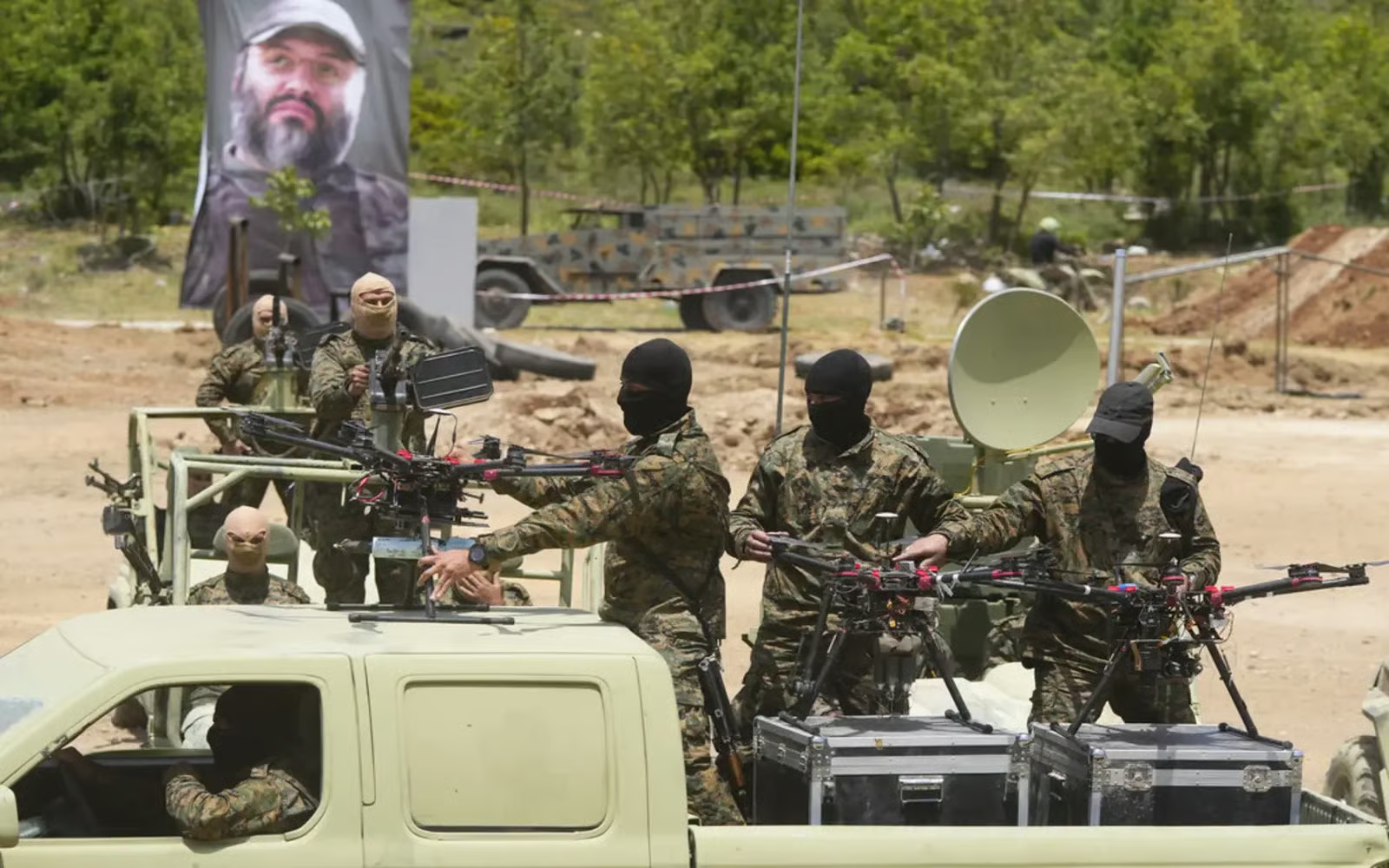
Meanwhile, the Israeli military announced that it had “eliminated” a Hezbollah member in southern Lebanon on Monday, vowing to “continue to operate to remove threats posed to the citizens of Israel.”
Hezbollah, the only faction permitted to retain weapons after Lebanon’s 1975-1990 civil war, has emerged significantly weakened since last year’s conflict. Despite this, Hezbollah leader Naim Qassem recently declared that the group would resist government efforts to disarm it.
Adding to the international dimension, US envoy Tom Barrack last week urged Israel to uphold its commitments under the ceasefire. “There’s always a step-by-step approach but I think the Lebanese government has done their part. They’ve taken the first step. Now what we need is Israel to comply,” Barrack said in Beirut during meetings with Lebanese officials. Israeli media also reported Barrack’s recent visit to Israel.
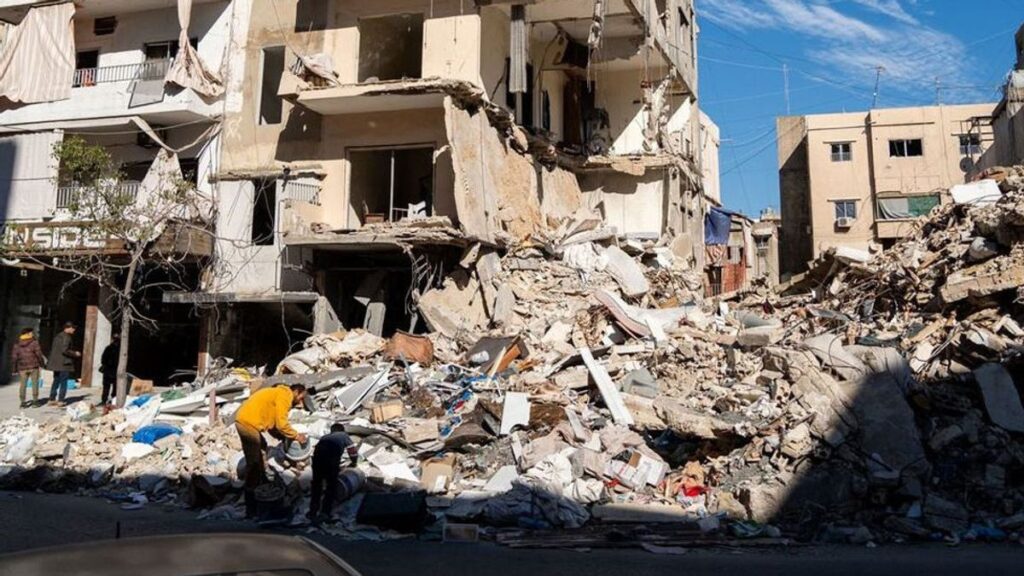
On Monday, Lebanon’s state-run National News Agency confirmed that US deputy envoy Morgan Ortagus had arrived in Beirut for scheduled talks with government leaders.
These developments coincide with a scheduled United Nations Security Council vote on the future of the UN peacekeeping mission in southern Lebanon, known as the United Nations Interim Force in Lebanon (UNIFIL). Established in 1978 to separate Israeli and Lebanese forces, the mission has recently faced objections from both Israel and the United States.
The council is expected to vote on a French-backed compromise that would extend UNIFIL’s mandate until August 31, 2026, giving the force one more year before beginning its withdrawal.
What you should know
Benjamin Netanyahu, Israel’s longest-serving prime minister, has been central to shaping Israel’s defense and foreign policies.
His latest statement ties Israel’s military presence in Lebanon to Beirut’s success in disarming Hezbollah, marking a rare conditional offer of troop reduction.
This move comes amid regional tensions, Hezbollah’s weakened state, and renewed international involvement in shaping Lebanon’s security landscape.