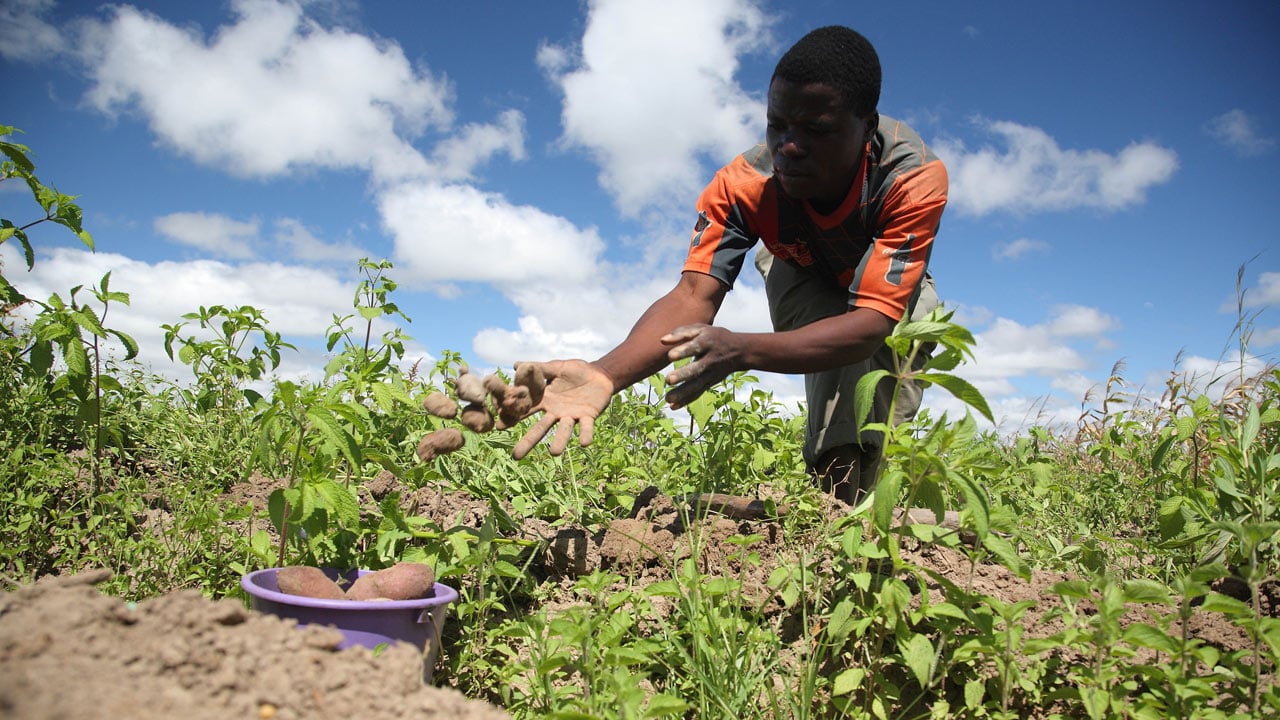
A growing chorus of concern is emerging from farming communities in the Federal Capital Territory as agricultural input costs continue their relentless upward spiral, potentially undermining Nigeria’s ambitious food security objectives.
Farmers across Bwari Area Council communities are grappling with fertilizer price increases that have more than doubled in just two years, creating a financial chokehold that threatens to squeeze smallholder farmers out of productive agriculture entirely. The situation has forced many to make difficult compromises that could impact both crop yields and long-term soil health.
The Numbers Tell a Stark Story
The financial pressure facing farmers is perhaps best illustrated by the experience of Phillip Akuso, a farmer in the Baran-goni community. A bag of Golden Urea or NPK fertilizer that cost between N35,000 and N37,000 in 2024 now commands N47,000—a price jump of nearly 30 percent in less than a year. The trajectory is even more alarming when viewed over a longer timeline: prices have more than doubled since 2023, when the same products sold for N20,000.
“You cannot sell a bag of corn and buy a bag of fertilizer because the latter costs more, and you need it especially for larger production,” Akuso explained, highlighting the fundamental economic imbalance now plaguing Nigerian agriculture.
The price surge extends beyond basic fertilizers. Higher-grade NPK formulations now sell for N47,000 and above, while even the more affordable NPK 20.10.10 variant costs N25,000 per bag. These increases are compounded by equally dramatic rises in pesticide and agrochemical prices, creating a perfect storm of input cost inflation.
Fuel Costs Drive the Crisis
Industry observers point to fuel costs as a primary driver of the fertilizer price explosion. As Akuso noted, fuel represents a significant component in industrial fertilizer production, making the agricultural sector particularly vulnerable to energy price volatility. This connection underscores how Nigeria’s broader economic challenges—including currency devaluation and energy sector reforms—are cascading through the agricultural value chain with devastating effects on food producers.
Farmers Adapt, but at What Cost?
The financial squeeze is forcing farmers to make pragmatic but potentially problematic adaptations. In the Sabon-Gari community, farmer Bawah Malik described how rising industrial fertilizer costs have driven increased demand for organic alternatives.
“A bag of poultry manure now goes for between N5,000 and N6,000, but you will have to book ahead from suppliers because there’s a rush for it since not everybody can afford NPK and urea,” Malik explained.
This shift toward organic fertilizers represents both an opportunity and a challenge. While more affordable upfront, organic options require significantly more labor and may not provide the immediate nutrient boost that industrial fertilizers offer. For farmers facing time and resource constraints, this trade-off could impact productivity just when the country most needs increased agricultural output.
The Science Behind the Dilemma
Agriculturalist Tanimu Ibrahim provided crucial context on the fertilizer debate, explaining that both organic and industrial options serve important but different functions. Industrial fertilizers deliver specific nutrients in high concentrations for quick crop absorption, while organic manures provide a broader range of nutrients that release slowly as materials decompose.
“Organic manure improves soil structure, increases water retention, encourages beneficial microorganisms, and boosts long-term soil fertility,” Ibrahim noted. “However, industrial fertilizers provide nutrients but do not improve soil structure.”
This technical reality highlights a concerning long-term trend: heavy reliance on industrial fertilizers can degrade soil quality over time, potentially creating a cycle of dependency that becomes increasingly expensive to maintain.
Government Response Urgently Needed
The farmers’ plight comes at a critical juncture for Nigerian agriculture. The federal government has made food security a cornerstone of its economic policy, with repeated commitments to achieving self-sufficiency in key crops. However, the current input cost crisis threatens to derail these objectives by making farming economically unviable for the smallholder farmers who produce much of the country’s food.
Both Akuso and Malik called for immediate government intervention, including subsidized fertilizer programs and soft loans to help small farmers access necessary inputs. Their appeals reflect a broader recognition that without policy support, market forces alone may price many farmers out of productive agriculture.
Implications for Food Security
The timing of this crisis could hardly be worse. Nigeria faces mounting pressure to reduce food imports and achieve greater agricultural self-reliance amid global supply chain disruptions and foreign exchange constraints. However, the current input cost trajectory suggests the opposite may occur—reduced domestic production could increase reliance on food imports, further straining the country’s foreign exchange position.
The situation in the Bwari Area Council serves as a microcosm of challenges facing farmers nationwide. As input costs continue rising faster than crop prices, the economic logic of farming becomes increasingly questionable for smallholders who lack access to credit or government support programs.
Looking Forward
The fertilizer cost crisis represents more than just an agricultural challenge—it’s a test of Nigeria’s commitment to food security and rural development. The choices made by policymakers in the coming months will determine whether the country’s farmers can continue feeding the nation or whether rising costs will force a retreat from domestic food production.
As Ibrahim emphasized, addressing these challenges requires treating agriculture as “an utmost priority.” The alternative—watching smallholder farmers abandon their fields due to unsustainable input costs—could have far-reaching consequences for Nigeria’s food security and economic stability.
The voices from the Bwari Area Council represent millions of Nigerian farmers facing similar struggles. Their message is clear: without immediate action to address input cost inflation, the country’s agricultural transformation agenda may remain little more than wishful thinking.
WHAT YOU SHOULD KNOW
Nigerian farmers are facing a crisis that threatens the country’s food security goals. Fertilizer prices have more than doubled since 2023—from N20,000 to N47,000 per bag—making farming economically unviable for smallholder producers who feed much of the nation.
Farmers can no longer afford the inputs needed for productive agriculture. As one farmer put it, “You cannot sell a bag of corn and buy a bag of fertilizer because the latter costs more.” This cost squeeze is forcing farmers to either abandon their fields or switch to less effective alternatives.
With fuel costs driving fertilizer prices up and the government pushing for food self-sufficiency, immediate policy intervention through subsidies and soft loans is critical. Without action, Nigeria risks losing its domestic food production capacity precisely when it needs it most, potentially increasing dependence on costly food imports and undermining national food security.