The United Nations on Friday officially declared a famine in Gaza, marking the first time the organization has confirmed such a crisis in the Middle East.
Experts warn that over 500,000 people are already enduring “catastrophic” hunger in the war-torn territory.
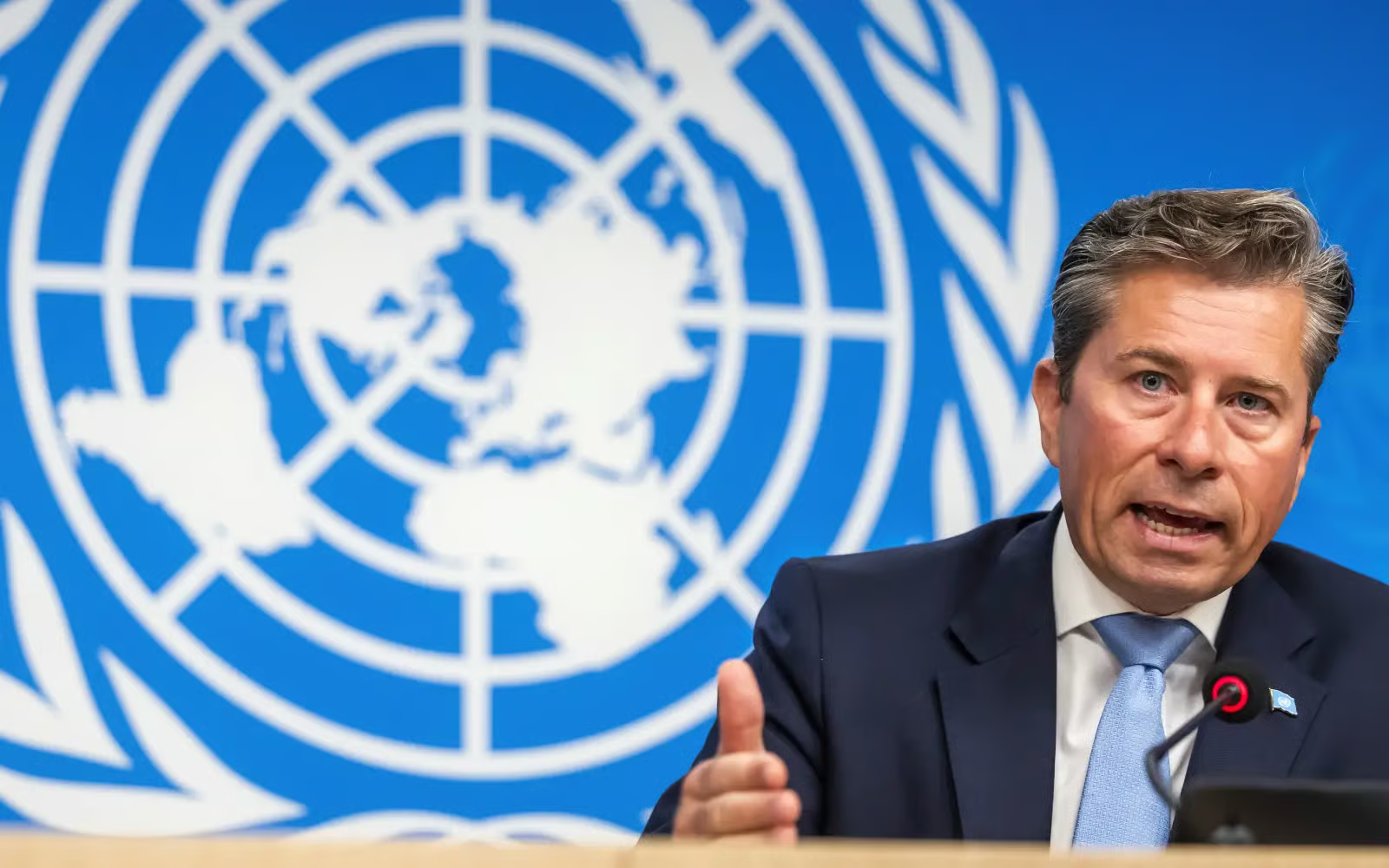
“This is a famine: the Gaza famine,” said Tom Fletcher, the UN’s emergency relief coordinator, accusing Israel of “systematic obstruction” of humanitarian deliveries.
Israel’s foreign ministry, however, rejected the assessment, calling it “based on Hamas lies laundered through organizations with vested interests” and insisting that “there is no famine in Gaza.”
The declaration was made by the Integrated Food Security Phase Classification Initiative (IPC), a UN-backed body that monitors global hunger risks. According to its standards, famine occurs when at least 20% of households face extreme food shortages, 30% of children under five suffer acute malnutrition, and two in every 10,000 people die daily from starvation or related diseases.
The IPC confirmed that “as of 15 August 2025, famine (IPC Phase 5) with reasonable evidence is present in Gaza governorate,” covering Gaza City and surrounding areas, where nearly one million people live. The report added that by the end of September, famine conditions were expected to spread to Deir el-Balah and Khan Yunis, affecting more than 641,000 people, or three-quarters of Gaza’s population.
“This is the first officially confirmed famine in the Middle East,” the IPC noted. While Yemen faced similar warnings in 2018, an official famine was never declared there.
Humanitarian alarm
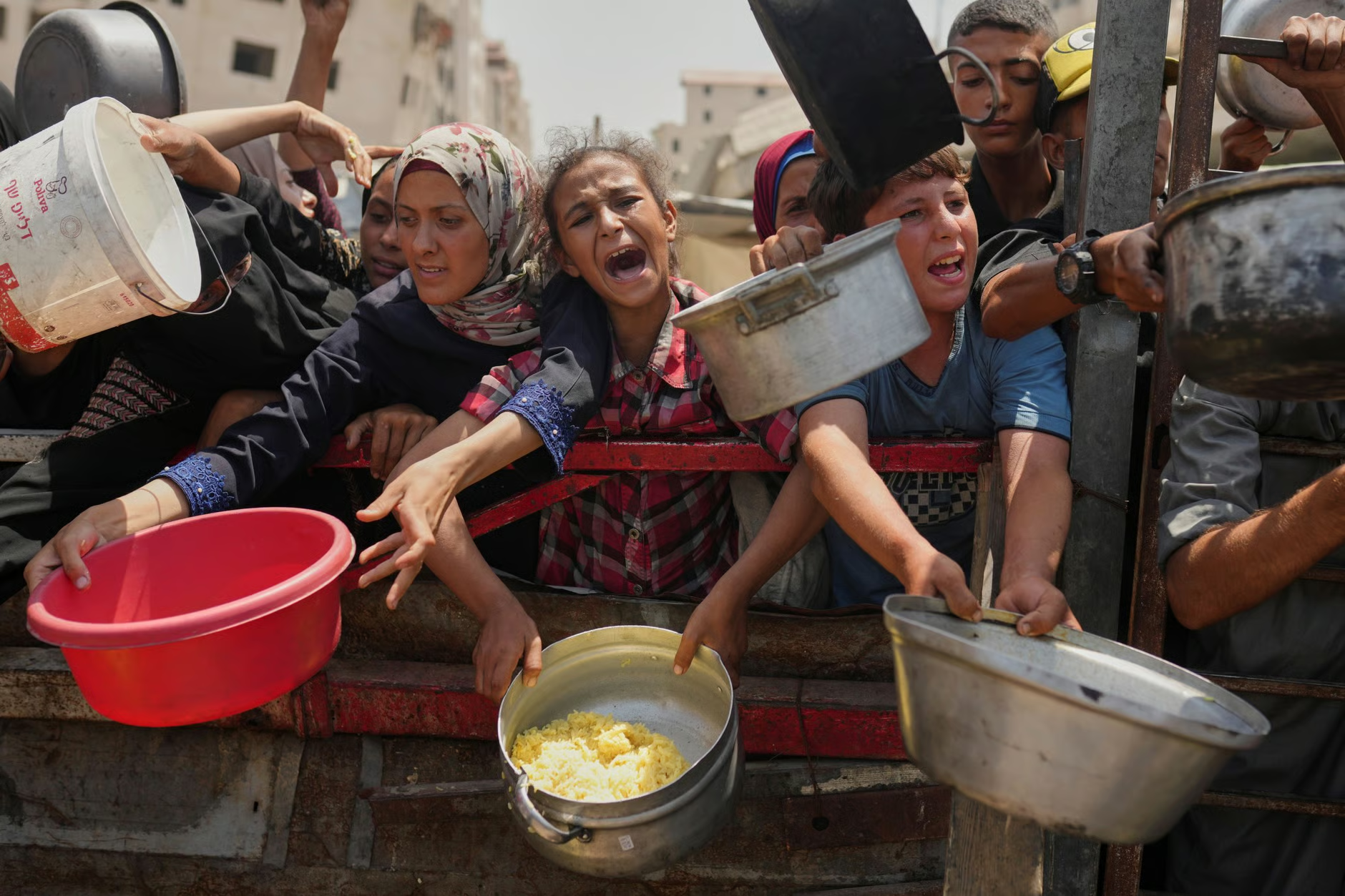
The IPC emphasized that the famine is “entirely man-made,” fueled by the escalation of conflict, mass displacement since March, and restrictions on aid. Israel barred all aid shipments in March, later allowing small amounts in, leaving food, fuel, and medicine in desperately short supply.
“This famine should haunt us all,” Fletcher told reporters in Geneva. “It could have been prevented, but food piles up at borders because of deliberate obstruction.”
UN human rights chief Volker Turk warned that “it is a war crime to use starvation as a method of warfare.” UN Secretary-General Antonio Guterres again urged for a ceasefire, the release of hostages held by Hamas, and unrestricted humanitarian access to Gaza.
The International Red Cross described the situation as “devastating and entirely foreseeable,” stressing that international law requires Israel, as the occupying power, to meet civilians’ basic needs.
Children most affected
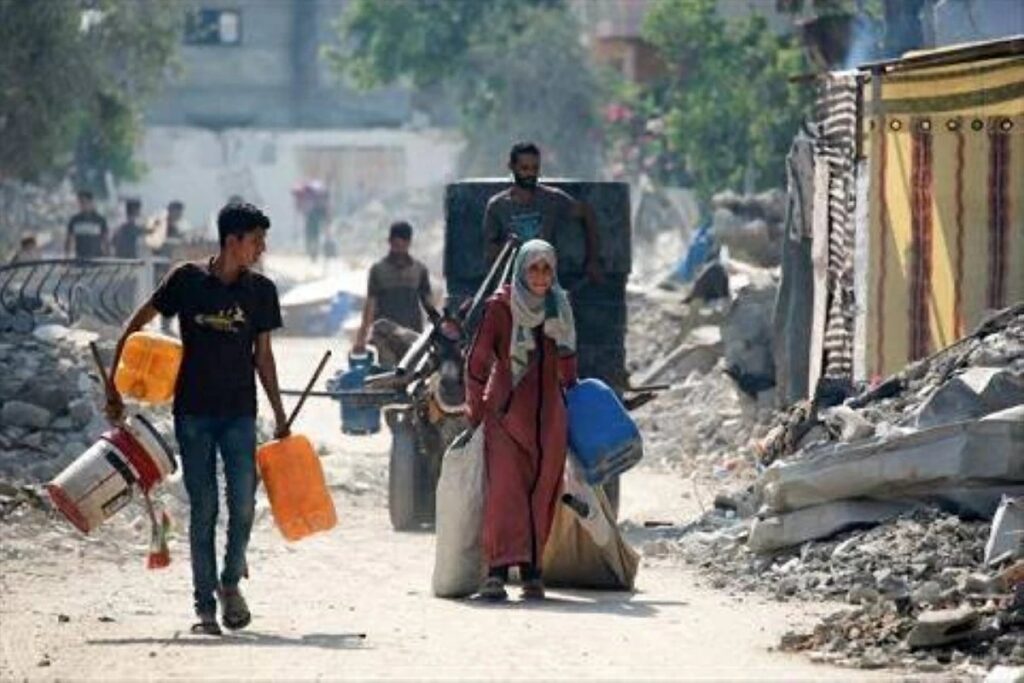
Children are paying the heaviest price. In July, over 12,000 were reported acutely malnourished, a sixfold increase since January.
“The evidence was unmistakable: children with wasted bodies, too weak to cry, babies dying from hunger and preventable disease,” UNICEF Executive Director Catherine Russell said.
The IPC said Gaza’s food system has collapsed, with 98% of cropland damaged or inaccessible, livestock wiped out, and fishing banned. Combined with the destruction of health infrastructure, lack of clean water, and poor sanitation, the crisis is worsening.
Still, Israel disputed the findings, claiming a “massive influx of aid” had entered Gaza and accusing the IPC of relying on “partial data” while ignoring its own reports.
What you should know
The UN has officially declared a famine in Gaza for the first time in the Middle East, warning that half a million people face extreme hunger and famine conditions could spread further by September.
The crisis is described as entirely man-made, caused by conflict, displacement, and restricted aid access. Israel denies the famine exists, calling the UN-backed findings political. Children are the most vulnerable, with thousands acutely malnourished and many dying from hunger-related causes.
Aid agencies stress that unrestricted humanitarian access and a ceasefire are urgently needed to prevent further catastrophe.