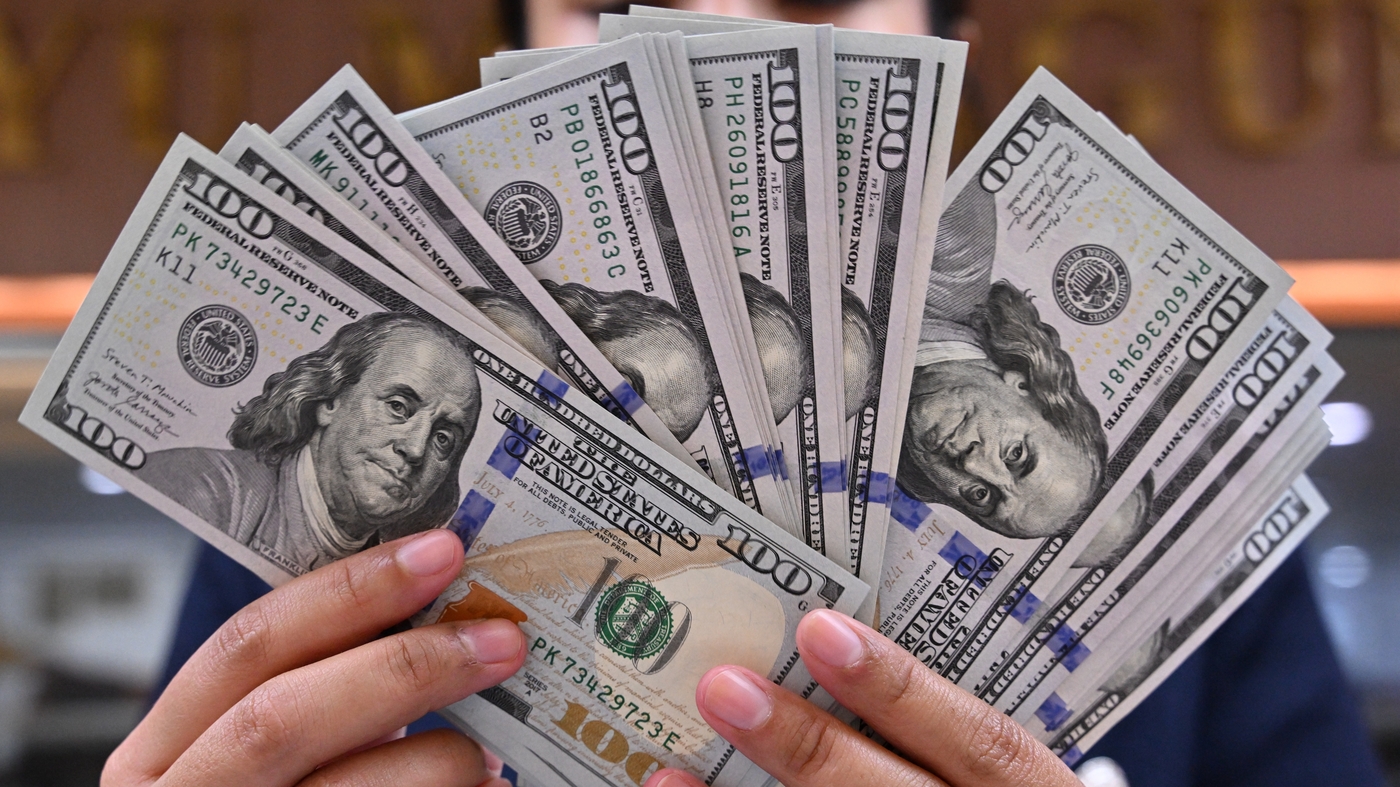
The U.S. dollar maintained a steady course on Wednesday as currency markets entered a holding pattern ahead of Federal Reserve Chair Jerome Powell’s highly anticipated speech at the Jackson Hole Economic Symposium later this week, with traders seeking clarity on the central bank’s monetary policy trajectory.
The dollar index, which tracks the greenback against a basket of six major currencies, remained virtually unchanged at 98.319, despite reaching a more than one-week high of 98.441 earlier in the session. This consolidation reflects the cautious stance adopted by investors as they position themselves for what could be market-moving commentary from the Fed chief.
Powell’s Friday address has emerged as the focal point for financial markets, with traders particularly attuned to any signals that might challenge current market expectations for interest rate cuts. The market has priced in approximately 85% odds of a quarter-point reduction at the Fed’s September 16-17 policy meeting, with traders anticipating roughly 54 basis points of total cuts by year-end.
“Powell will try to be fairly balanced, but there is a risk we see a hawkish Powell on Friday,” cautioned Kirstine Kundby-Nielsen, foreign exchange analyst at Danske Bank. “Some of the developments we’ve seen in inflation dynamics will keep the Fed more cautious.”
The Fed chair faces a delicate balancing act as he navigates conflicting economic data. While traders initially ramped up rate cut bets following a surprisingly weak payrolls report earlier this month, recent inflation readings have presented a mixed picture that complicates the policy outlook.
Consumer price data offered some encouragement by showing limited upward pressure from tariffs, but last week’s hotter-than-expected producer price reading has muddied the waters. Powell has previously expressed reluctance to cut rates due to anticipated tariff-driven price pressures expected this summer.
Adding another layer to the policy puzzle, the Federal Reserve is set to release minutes from its July 29-30 meeting later Wednesday, though market participants expect limited revelations given the timing preceded the weak employment data that shifted rate expectations.
New Zealand Dollar Plunges on Aggressive Central Bank Stance
The day’s most dramatic currency movement came from the New Zealand dollar, which tumbled as much as 1.3% to $0.5815—its weakest level since April 11—following the Reserve Bank of New Zealand’s decision to cut its cash rate by a quarter point to 3.0%.
While the rate reduction met expectations, the central bank’s revelation that policymakers had also considered a half-point cut sent shockwaves through the currency market. The RBNZ further signaled its dovish intentions by lowering its projected floor for the cash rate to 2.55% from the 2.85% forecast in May.
“The market did not expect the bank to send a strong dovish signal that it intends to deliver further cuts,” noted Prashant Newnaha, a rates strategist at TD Securities, in a client note. The analyst has subsequently increased his forecast for additional easing, now projecting the cash rate will fall to 2.5% by November.
Mixed European Performance
European currencies displayed varied performance against the dollar. The euro slipped 0.1% to $1.1636, while the Swedish krona remained steady after the Riksbank maintained its policy rate at 2%, in line with market expectations.
The British pound showed resilience, gaining slightly against both the euro and dollar following inflation data that came in hotter than forecast. The reading highlighted Britain’s position as having the most significant price growth challenge among major developed economies.
However, analysts noted that much of the services inflation increase was attributed to volatile airfares, potentially linked to school holiday timing rather than underlying economic pressures.
“The BoE (Bank of England) is more concerned about food inflation, which hasn’t changed much in today’s release,” explained Chris Turner, ING’s head of research. “We doubt today’s CPI release will alter much of the BoE’s current thinking.”
Cryptocurrency Market Under Pressure
The strengthening dollar weighed on cryptocurrency markets, with Bitcoin hovering around $113,897 after earlier touching its lowest level since August 3 at $112,578.38. Ether bucked the trend, rising 1.8% to $4,234, demonstrating the continued volatility characteristic of digital asset markets.
As markets head toward the weekend, all eyes remain fixed on Jackson Hole, where Powell’s remarks could either validate current market expectations or trigger a significant reassessment of Federal Reserve policy intentions. The stakes are particularly high given the Fed’s dual mandate challenges of supporting employment while maintaining price stability in an environment of shifting global trade dynamics and persistent inflationary pressures.
The coming days will likely determine whether the current dollar consolidation represents the calm before a significant policy-driven storm or merely reflects appropriate market caution in uncertain times.
WHAT YOU SHOULD KNOW
The U.S. dollar remained flat on Wednesday as markets held their breath for Fed Chair Jerome Powell’s Jackson Hole speech on Friday, which could determine whether the Federal Reserve cuts rates in September as widely expected (85% probability).
Meanwhile, the New Zealand dollar crashed 1.3% after its central bank cut rates and signaled more aggressive easing ahead, while mixed U.S. inflation data has left Powell walking a tightrope between supporting growth and controlling prices.