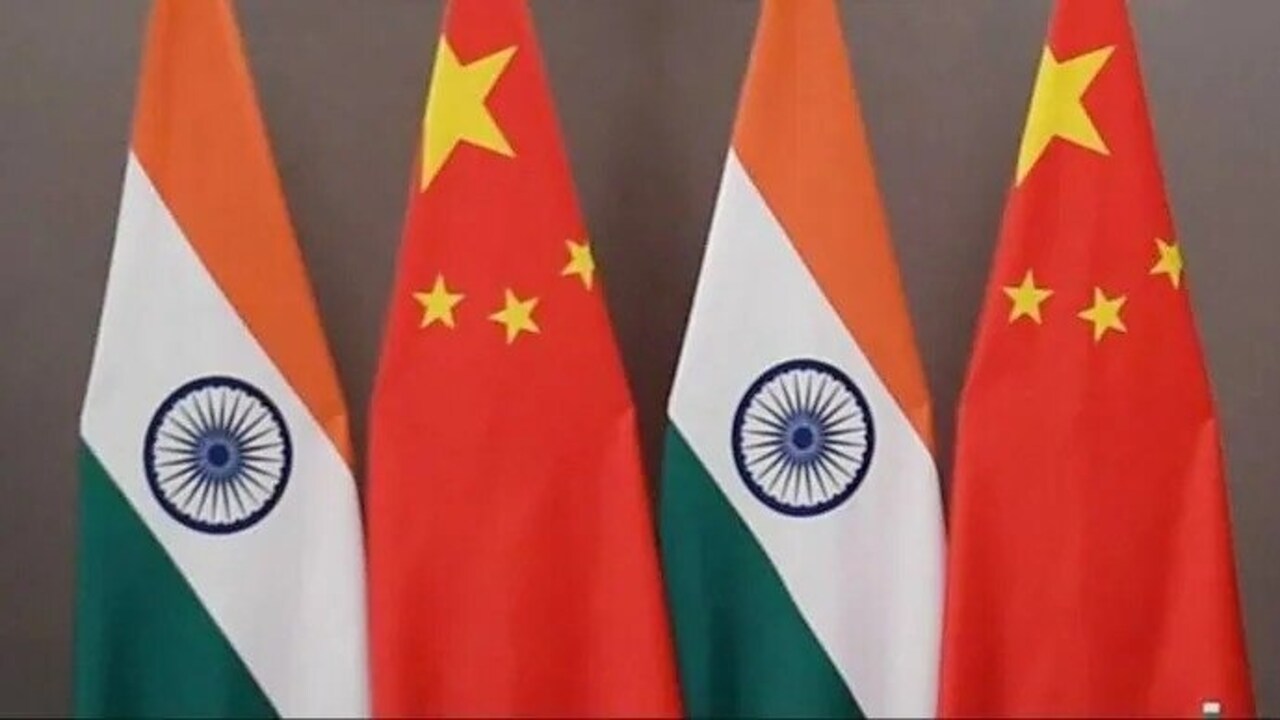
In a significant development for bilateral trade relations, China has moved to lift export restrictions on rare earth magnets to India, according to reports from Indian media sources on Tuesday.
The decision emerged from discussions between External Affairs Minister S. Jaishankar and Chinese Foreign Minister Wang Yi during high-level diplomatic talks last month.
The lifting of curbs addresses a critical supply chain vulnerability that has plagued Indian manufacturers for months. India imported 460 tons of rare earth magnets in fiscal year 2024, virtually all from China, and had planned to import 700 tons this year.
Official data shows India imported 53,748 metric tons of rare earth magnets in FY25, underscoring the country’s heavy dependence on Chinese supplies.
The export restrictions, part of China’s broader strategy to control critical mineral supplies, had created acute shortages globally. Since April 2025, China’s rare earth export curbs have caused global magnet shortages, forcing countries to scramble for alternative supply sources and accelerating efforts to develop domestic production capabilities.
Rare earth magnets, while relatively small in value, play an outsized role in modern manufacturing. Their relatively low value belies their critical function in everything from electric vehicle motors to wind turbines and consumer electronics. With China accounting for nearly 90% of global magnet production, the supply chain is acutely vulnerable.
The diplomatic breakthrough extends beyond magnets. China has expressed its readiness to lift curbs on the export of fertilizers, rare earth magnets and minerals, and tunnel boring machines to India, indicating a broader normalization of trade relations between the two Asian giants.
This development comes as India has been actively working to reduce its dependence on Chinese rare earth imports. The Indian government has been planning substantial investments in domestic production capabilities, with industry sources indicating strong interest from major Indian companies in establishing local rare earth processing facilities.
The timing of China’s decision appears strategic, as global supply chains have been severely strained by the export restrictions, leading to factory closures and inflamed trade tensions worldwide. Recent data suggests China has begun easing these restrictions more broadly, with exports to other countries also showing signs of recovery in recent months.
For India, the restoration of rare earth magnet imports provides immediate relief to manufacturers while the country continues developing its domestic rare earth processing capabilities under its Critical Mineral Mission initiative.
WHAT YOU SHOULD KNOW
China’s decision to lift rare earth magnet export restrictions to India marks a crucial diplomatic breakthrough that will immediately ease severe supply shortages for Indian manufacturers.
This move is significant because China controls nearly 90% of global magnet production, and these materials are essential for everything from electric vehicles to wind turbines.
The lifting of curbs, negotiated during high-level talks between the countries’ foreign ministers, signals a broader normalization of trade relations and provides India critical breathing room as it works to develop domestic rare earth processing capabilities to reduce future dependence on Chinese supplies.