The Nigerian naira experienced a subdued start to the trading week, weakening marginally against the United States dollar as markets grappled with competing pressures from local economic improvements and broader global currency dynamics.
Market Performance
The naira depreciated 0.08% to trade at 1,533.67 per dollar on the Nigerian Foreign Exchange Market (NFEM) on Monday, sliding from Friday’s close of 1,532.51. The currency demonstrated typical intraday volatility, reaching a high of 1,535 per dollar before finding support at 1,532 per dollar during the session.
The parallel market, often viewed as a barometer of underlying demand pressures, showed the naira trading at 1,543 per dollar, representing an improvement from the previous week’s average of 1,545 per dollar—a development that suggests some easing in unofficial market tensions.
Central Bank Intervention Strategy
The Central Bank of Nigeria (CBN) continued its strategic market interventions aimed at stabilizing the currency, with improved foreign exchange inflows providing additional support for official trading windows. Market analysts anticipate that these coordinated efforts will help maintain the naira’s relatively steady performance throughout the week, absent any major external disruptions.
However, the currency faces headwinds from a strengthening U.S. dollar globally and concerns over declining crude oil prices, which could potentially limit the naira’s recovery prospects in the near term.
Oil Production Boost Provides Fundamental Support
A significant positive development emerged from Nigeria’s energy sector, with OPEC data revealing increased crude oil production that could bolster the naira’s medium-term outlook. The country’s average daily crude production climbed to 1.5 million barrels per day in July, marking an increase of 7,000 barrels above its OPEC-approved quota.
This represents the second consecutive month Nigeria has exceeded its production targets, with output rising modestly from 1.505 million barrels per day in June to 1.507 million barrels per day in July. The achievement is particularly noteworthy given Nigeria’s production volatility earlier this year, which saw output fluctuate between 1.4 million and 1.54 million barrels per day across different months.
IMF Recognition and Banking Sector Focus
The International Monetary Fund acknowledged the CBN’s efforts to enhance financial inclusion and promote capital market development while emphasizing the importance of implementing robust, risk-based supervision across emerging sectors, including mortgage lending, consumer finance, fintech, and cryptocurrency operations.
Currency Integrity Measures
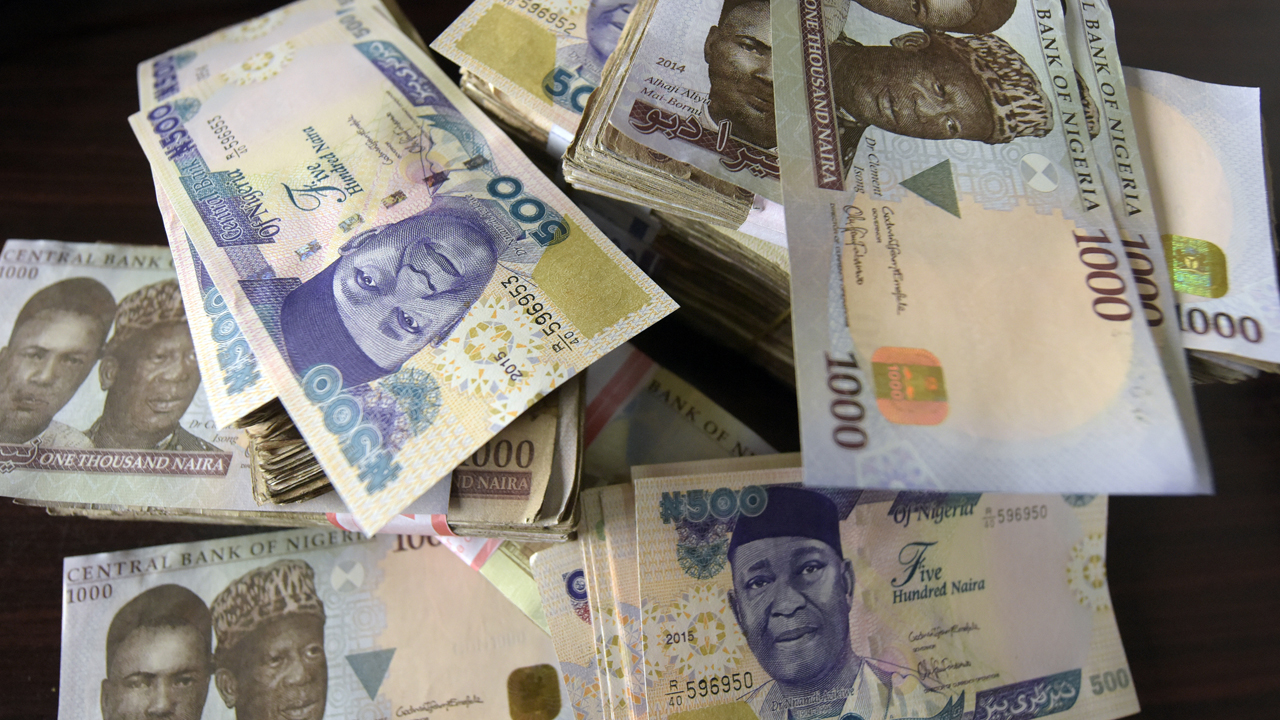
In a related development, the CBN intensified its campaign against illegal currency trading practices, with officials urging Nigerians to report any banks or bank employees involved in the unauthorized sale of new naira notes at social events. Paul Onuoha, head of Currency Operations and Branch Management, highlighted concerns about insider involvement in facilitating the illegal banknote trade, calling for public vigilance in identifying commercial bank employees who may be supplying vendors or hawkers with new currency notes.
Outlook
Market observers expect the naira to maintain relative stability in the near term, supported by the CBN’s intervention measures, improved oil production, and growing foreign exchange reserves. However, the currency remains vulnerable to external pressures, particularly from U.S. dollar strength and global commodity price movements that could influence investor sentiment toward emerging market currencies.
The convergence of improved oil output, central bank policy coordination, and enhanced market confidence suggests a cautiously optimistic outlook for the naira, though traders will be monitoring global developments closely for any signs of renewed volatility.
WHAT YOU SHOULD KNOW
The Nigerian naira’s modest 0.08% decline this week masks a more positive underlying story. While the currency faced headwinds from a stronger U.S. dollar, Nigeria’s oil production surged to 1.5 million barrels per day, exceeding OPEC quotas for the second consecutive month, providing crucial economic support.
The Central Bank’s continued market interventions and improved foreign exchange inflows are helping to maintain stability, with the parallel market rate improving from the previous week. The IMF’s endorsement of Nigeria’s financial sector reforms adds international credibility.