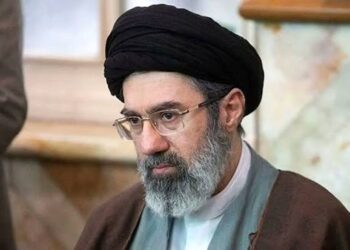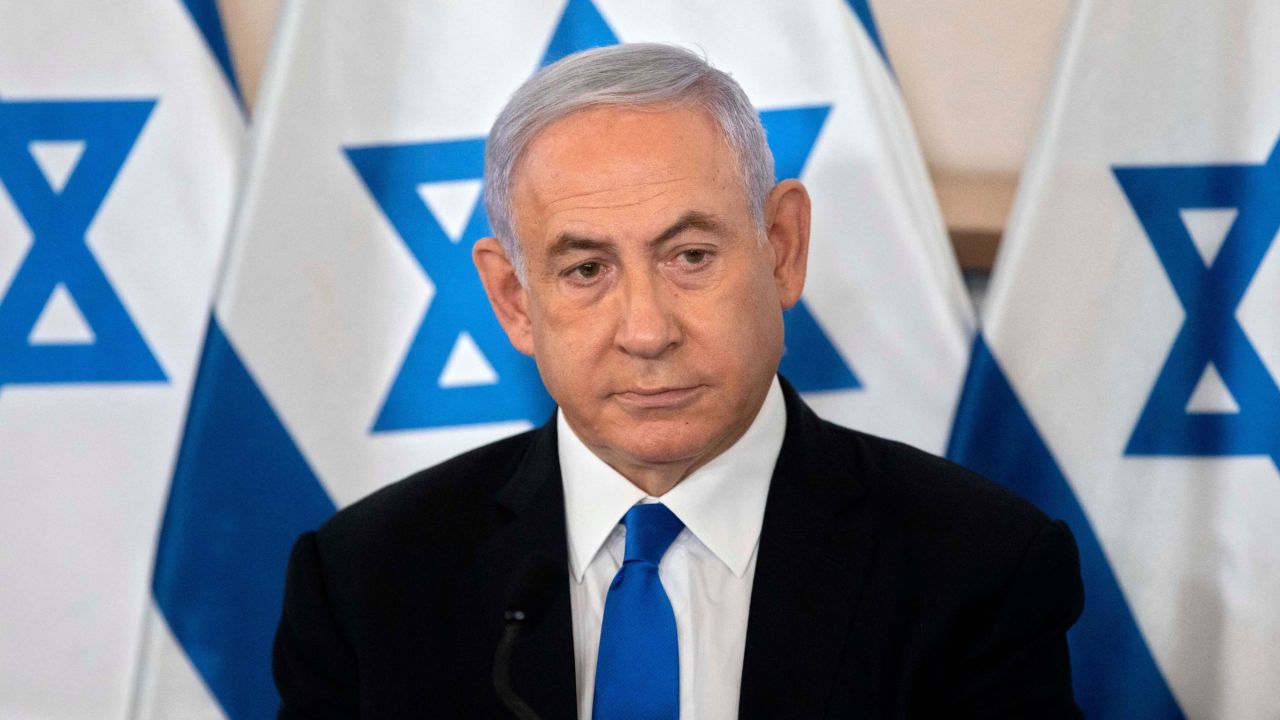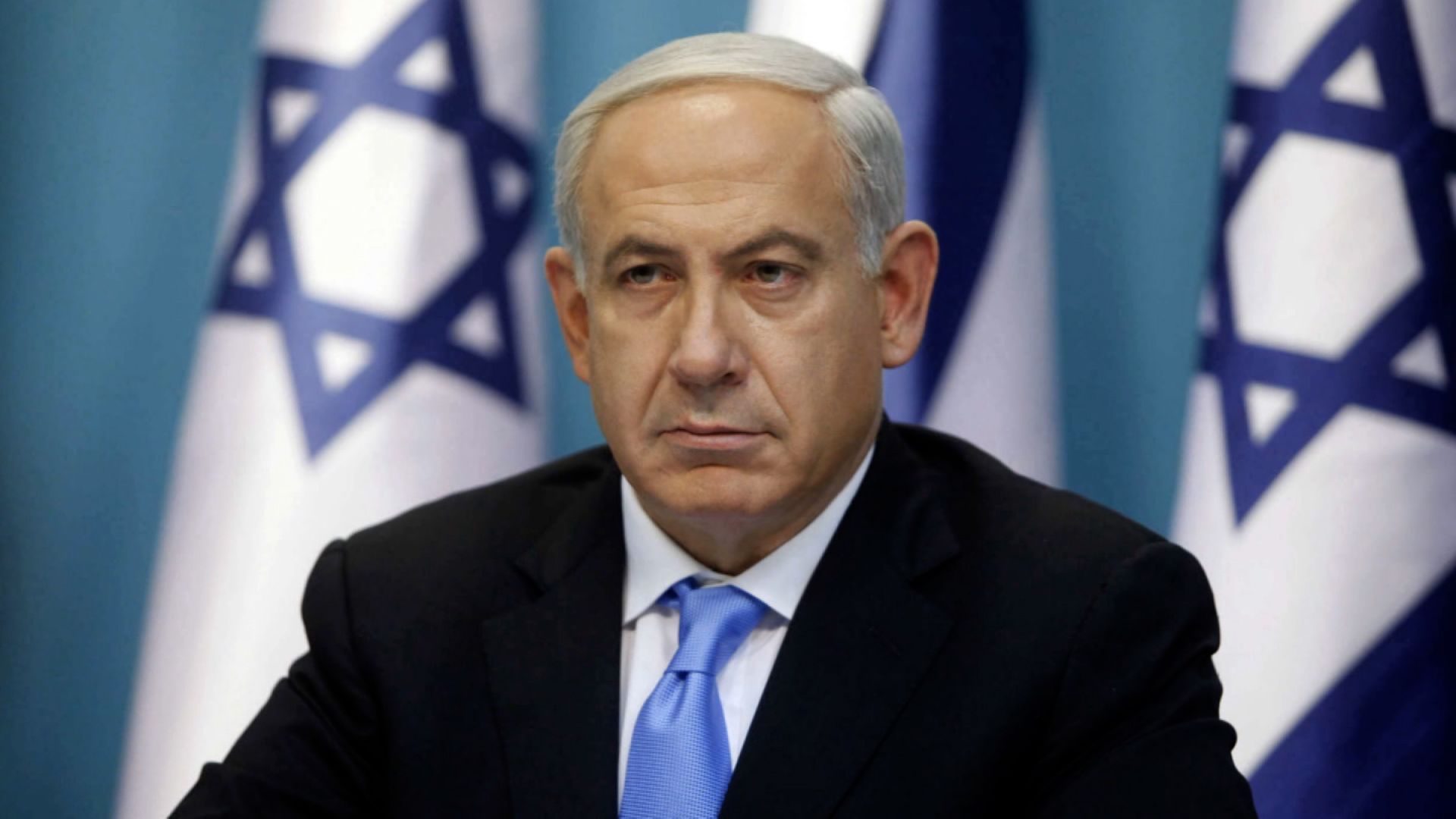
Israel’s security cabinet was expected to convene on Thursday evening to deliberate over military strategies in the Gaza Strip, with local media indicating Prime Minister Benjamin Netanyahu may seek authorization for expanded ground operations despite mounting domestic concern over the fate of hostages and escalating global condemnation of the humanitarian disaster in the territory.
The cabinet meeting, reported by *The Times of Israel*, was scheduled to begin around 6:00 pm local time (1500 GMT), and speculation has surged about internal tensions between Israel’s civilian leadership and military command. Sources cited by Israeli outlets, speaking on condition of anonymity, suggested that the Prime Minister is likely to push for intensified operations in densely populated zones where hostages are believed to be held by Hamas.
The anticipated discussions in Jerusalem coincided with a dramatic demonstration at sea, where the families of hostages embarked on a symbolic voyage from Ashkelon toward Gaza, desperate for international attention and aid in rescuing their loved ones. Among them was Yehuda Cohen, father of one of the captives, who used a megaphone to make an emotional plea: “Mayday, mayday, mayday. We need all international assistance to rescue the 50 hostages who are nearly two years held by the hand of Hamas.”
Despite growing public outcry, including protests in Tel Aviv demanding government action to secure the remaining captives, the Israeli government appears poised to double down on its military campaign. Of the 251 people seized during Hamas’s October 2023 attack, 49 are still being held in Gaza, 27 of whom the Israeli military believes have died.
As the cabinet prepared to meet, reports emerged of friction between the government and Israel’s military chief, Lieutenant General Eyal Zamir. Defence Minister Israel Katz, addressing speculation that Zamir opposed a full-scale reoccupation of Gaza, posted on social media that the military is duty-bound to implement governmental decisions—even if commanders hold differing views.
“It is the right and duty of the chief of staff to express his position in the appropriate forums,” Katz stated on X, formerly Twitter. “But the military must respect and carry out government policy.”
Inside Gaza, fears intensified over what a renewed Israeli ground incursion might mean for civilians already reeling from months of war. “Ground operations mean more destruction and death. There is no safe place anywhere,” said Ahmad Salem, a displaced resident from the Jabalia refugee camp now sheltering in western Gaza. “If Israel starts and expands its ground operations again, we’ll be the first victims.”
The situation on the ground remains dire. On Thursday alone, at least 35 people were reported killed by Israeli airstrikes across the territory, with dozens more wounded, according to Gaza’s civil defence.
Humanitarian conditions continue to deteriorate despite Israel’s partial easing of restrictions on aid in late July. United Nations agencies have warned that famine is emerging, as the current level of relief allowed into Gaza falls far short of the daily needs of its population. UN officials estimate that 600 aid trucks per day are required to meet basic demands, yet only 70 to 80 are entering on average—many of them subjected to long, exhaustive inspection processes.
Amjad Al-Shawa, head of the Palestinian NGO Network, explained that a limited number of trucks, mostly carrying select goods, have been permitted into the enclave. He noted that recently, 50 to 60 trucks intended for the private sector were allowed in for the first time in months—an insufficient volume considering the scale of the crisis.
Meanwhile, the cost of available food remains erratic and unaffordable for many Gazans. “We hope that food will be made available again in normal quantities and at reasonable prices, because we can no longer afford these extremely high and unrealistic costs,” said Mahmoud Wafi, a displaced resident from Al-Mawasi near Khan Yunis.
International criticism has intensified, with humanitarian organizations and global leaders urging an immediate increase in aid and cautioning against further military escalation. Yet within Israel, the debate remains deeply divided between calls for decisive military action and rising anxiety over the fate of hostages and civilians trapped in the conflict zone.
What you should know
As Israel’s security cabinet prepares to expand military operations in Gaza, internal divisions and global backlash grow.
Hostage families are amplifying their pleas for international help, while Gaza’s humanitarian situation continues to spiral—with far too little aid reaching those in need. The war’s next phase could be shaped by decisions made behind closed doors in Jerusalem—ones that carry life-or-death implications for millions.