The Chairman of the Economic and Financial Crimes Commission (EFCC), Ola Olukoyede, has firmly denied recent allegations suggesting that he coerced the Chief Executive Officer of the Nigerian National Petroleum Company Limited (NNPCL), Bayo Ojulari, into stepping down from his role.
In a statement released on Wednesday by Dele Oyewale, spokesperson for the EFCC, Olukoyede addressed a report published by the online news outlet People’s Gazette, which accused him of abducting Ojulari and compelling him to resign in the Federal Capital Territory, Abuja. Although various reports have emerged regarding Ojulari’s departure from the NNPCL, no official statement has been issued so far by Ojulari, the state-run oil firm, or the presidency concerning the matter.
Olukoyede, through his legal counsel, Adeyinka Olumide-Fusika (SAN), is demanding a public apology and a retraction of the publication. The EFCC Chairman expressed deep concern over the nature of the story, describing it as not only false but damaging to his public image and capable of painting him as someone who has “betrayed and subverted public trust.” He has given the online platform 48 hours to comply with his demands, which include removing the article from its website and social media pages and offering an unreserved apology.
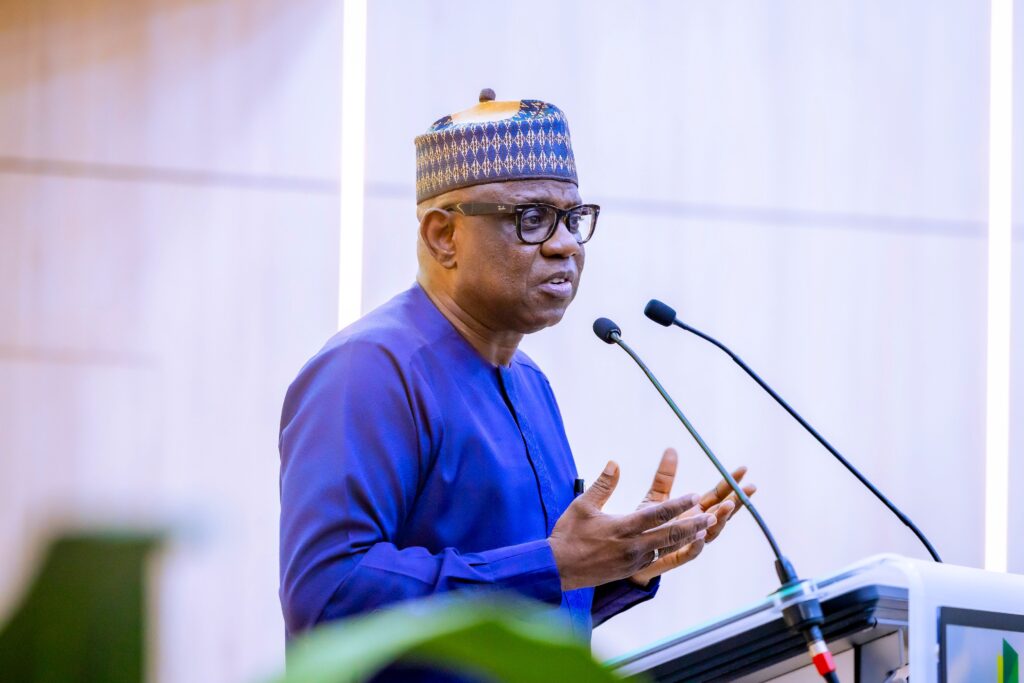
Despite the swirling rumors about his resignation, Ojulari appeared in public earlier in the week. On Monday, he was present at an event organized by the Society of Petroleum Engineers in Lagos. During the event, he addressed attendees on the importance of Africa developing viable energy projects to support a more sustainable energy landscape.
Olukoyede, in rejecting the report, emphasized that the accusations were baseless and presented a serious mischaracterization of both his person and the office he occupies. According to his lawyer, the allegations published by the platform were grave and carried weighty implications that could not simply be overlooked. The letter sent to People’s Gazette insisted that the media house must “acknowledge your wrongdoing, expressly admit that what you published and imputed against my client are false, apologise for it unreservedly and retract and pull down the stories from your newspaper website and social media handles.”
Olumide-Fusika further warned that if the platform fails to meet these conditions, legal action would follow. He stated that a writ would be filed on grounds of defamation, compelling the publisher to provide evidence for the claims made against the EFCC Chairman and defend their portrayal of him, particularly given the high-profile nature of his office.
What you should know
Ola Olukoyede is taking a decisive legal stance against what he sees as a deliberate attempt to undermine his character and the integrity of his office.
His response underscores a broader concern about the consequences of unverified reports in the media, especially when such stories involve public institutions and their leadership.