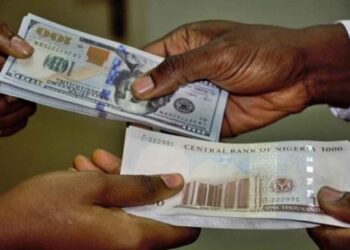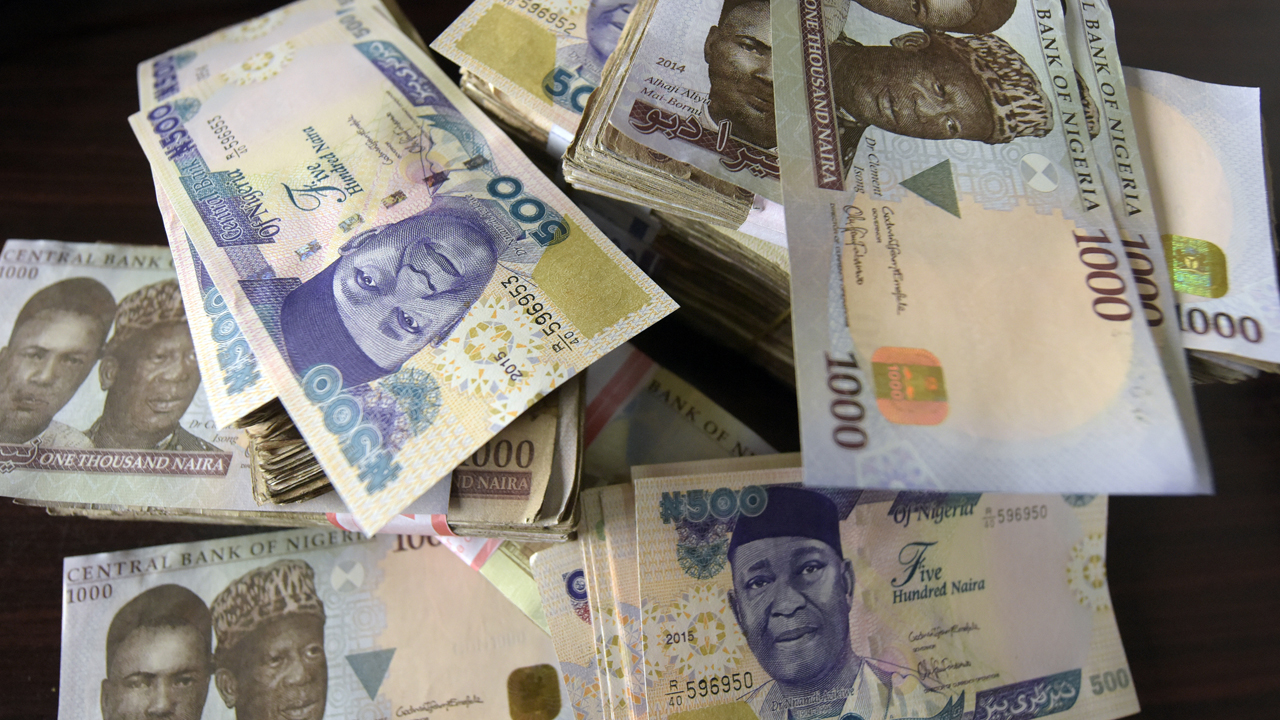
The Nigerian naira weakened to its lowest level in over a week on Tuesday, falling to N1,565 per dollar on the parallel market as currency pressures persisted despite recent gains in the country’s foreign reserves.
Currency traders in Lagos reported the latest decline represents a continued slide from the N1,550 per dollar rate that held steady through Monday and Friday of the previous week. The naira had shown relative stability at N1,540 per dollar on Thursday before the recent weakness emerged.
The parallel market, also known as the black market, operates outside official channels and typically reflects street-level demand for foreign currency. Recent market data shows the parallel rate has been trading between N1,550 and N1,555 per dollar, highlighting the persistent gap between official and unofficial exchange rates.
The deterioration on the parallel market contrasts with modest strength on the official market, where the naira closed at N1,533.85 per dollar on Monday, slightly firmer than Friday’s N1,535.50 rate, according to Central Bank of Nigeria data.
This disparity underscores ongoing challenges in Nigeria’s multi-tiered foreign exchange system, where limited dollar availability through official channels continues to drive demand to parallel market operators.
Reserve Growth Provides Policy Ammunition
The currency weakness comes despite encouraging developments in Nigeria’s foreign reserves, which climbed 6.18 percent month-on-month from $37.2 billion on July 1 to $39.5 billion by August 1. The reserve buildup, driven by improved oil revenues and capital inflows, has strengthened the central bank’s capacity to intervene in currency markets.
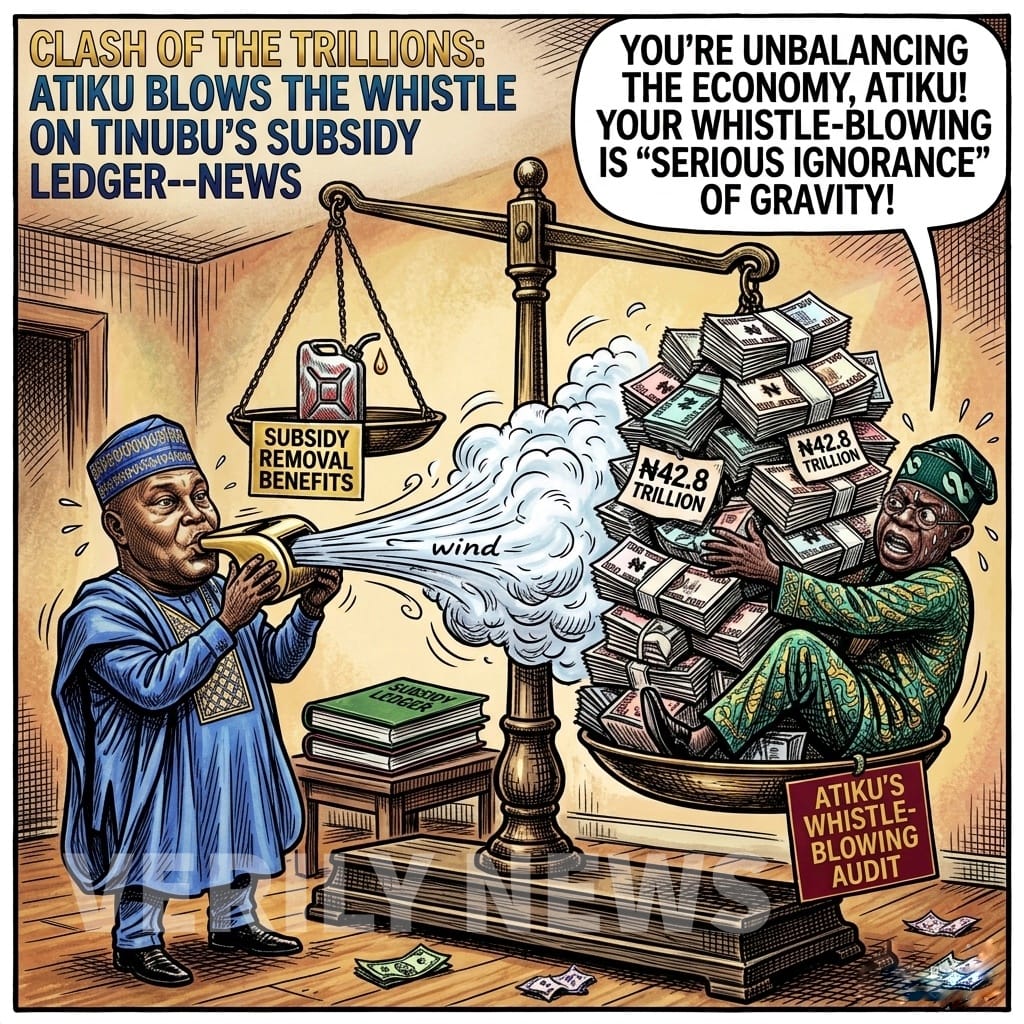
Currency analysts view the reserve accumulation positively, noting it enhances the CBN’s ability to defend the naira while meeting import financing needs and external debt obligations. The improvement reflects broader economic adjustments following the removal of fuel subsidies and exchange rate reforms implemented by President Bola Ahmed Tinubu’s administration.
CBN Governor Maintains Optimistic Outlook
Central Bank Governor Olayemi Cardoso has repeatedly emphasized the institution’s commitment to exchange rate stability, pointing to structural improvements in Nigeria’s foreign exchange architecture. Speaking at the most recent Monetary Policy Committee meeting, Cardoso highlighted “sustained stability in the foreign exchange market” supported by enhanced capital flows and rising oil production.
“The foreign exchange market is working a lot better and more smoothly—the result of which has encouraged inflows into that market,” Cardoso stated, crediting policy reforms, including subsidy removal, for creating market stability despite short-term adjustment costs.
The governor noted that Nigerian confidence in the domestic currency has improved alongside the country’s transition away from the “very difficult situation where there were subsidies.” He characterized current policy measures as “painful though they may be,” but necessary for achieving exchange rate stability and restoring investor confidence.
Market Volatility Continues
Tuesday’s parallel market weakness followed a brief period of naira strength in late July, when the currency touched N1,520 per dollar—its strongest performance in weeks and notably firmer than the official rate at the time.
The ongoing volatility reflects the complex dynamics facing Nigeria’s currency markets, where structural reforms compete with persistent dollar demand from importers, travelers, and businesses seeking to hedge against further depreciation.
As Africa’s largest economy continues navigating post-subsidy removal adjustments, currency market participants remain focused on the sustainability of recent reserve gains and the CBN’s capacity to maintain exchange rate stability across multiple market segments.
The parallel market rate of N1,565 per dollar represents the currency’s weakest performance since late July, signaling that despite policy optimism and reserve accumulation, underlying pressure on the naira persists in Nigeria’s informal foreign exchange markets.
WHAT YOU SHOULD KNOW
The Nigerian naira weakened to N1,565/$1 on the parallel market Tuesday—its worst performance in over a week—despite Nigeria’s foreign reserves climbing to $39.5 billion.
While the Central Bank maintains optimism about exchange rate stability following economic reforms, the persistent gap between official rates (N1,533/$1) and street market prices reveals ongoing dollar scarcity pressures that structural policy changes have yet to fully resolve.