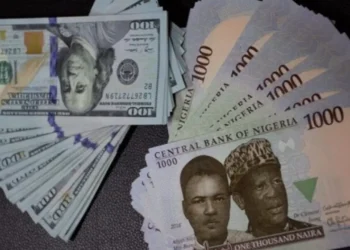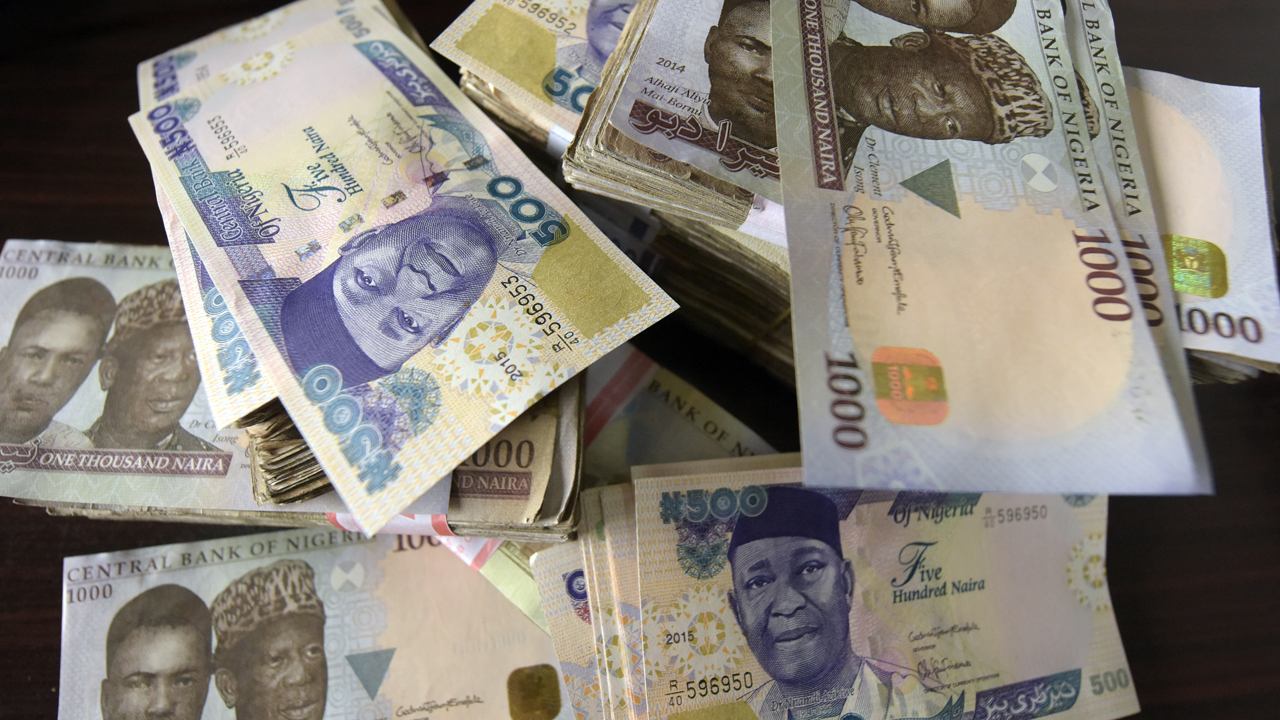
Nigeria’s currency displayed a tale of two markets on Friday, with the naira posting gains in unofficial trading channels. At the same time, official rates remained relatively stable, highlighting the persistent challenges facing Africa’s largest economy as it grapples with foreign exchange pressures.
The naira strengthened against the US dollar in the parallel market, closing at ₦1,560 per dollar—a ₦5 improvement from Thursday’s rate of ₦1,565. This modest appreciation provided some relief to Nigerians who rely on the black market for foreign currency transactions, particularly for international trade and remittances.
In the formal banking system, the Nigerian Foreign Exchange Market (NFEM) recorded similar positive momentum, with the naira finishing at ₦1,534 per dollar. However, Central Bank of Nigeria data revealed a slight divergence in the official exchange rate, which edged up to ₦ 1,535.50 per dollar from Wednesday’s ₦ 1,534—representing a marginal weakening of ₦ 0.50.
The day’s trading patterns contributed to a narrowing of the premium between parallel and official markets, with the gap shrinking to ₦24.5 per dollar compared to Thursday’s ₦31 differential. This convergence suggests improved liquidity conditions in the formal market, though the persistent spread continues to reflect underlying structural issues in Nigeria’s foreign exchange system.
Taking a broader view, the week’s performance painted a mixed picture for the naira. The parallel market suffered an overall decline of ₦30, erasing gains from the previous week when the currency had managed a modest 50 kobo appreciation. Meanwhile, the official market remained largely unchanged throughout the five days, indicating limited volatility in formal trading channels.
These exchange rate movements come against the backdrop of Nigeria’s ongoing efforts to stabilize its currency amid declining oil revenues, foreign investment outflows, and persistent dollar demand from importers and individuals seeking to hedge against inflation. The Central Bank’s monetary policy interventions and market reforms continue to influence trading patterns across both official and parallel markets.
Market analysts will be watching closely to see whether Friday’s parallel market gains can be sustained into next week, particularly as businesses prepare for month-end dollar demands and the Central Bank considers its next policy moves in the face of ongoing foreign exchange pressures.
WHAT YOU SHOULD KNOW
Nigeria’s naira showed slight improvement in unofficial markets on Friday, gaining ₦5 to close at ₦1,560 per dollar, while official rates remained largely stable. The most significant development was the narrowing gap between parallel and official exchange rates—from ₦31 to ₦24.5 per dollar—suggesting better liquidity in formal markets.
However, the parallel market still lost ₦30 overall for the week, indicating continued underlying pressure on Nigeria’s currency amid ongoing foreign exchange challenges.