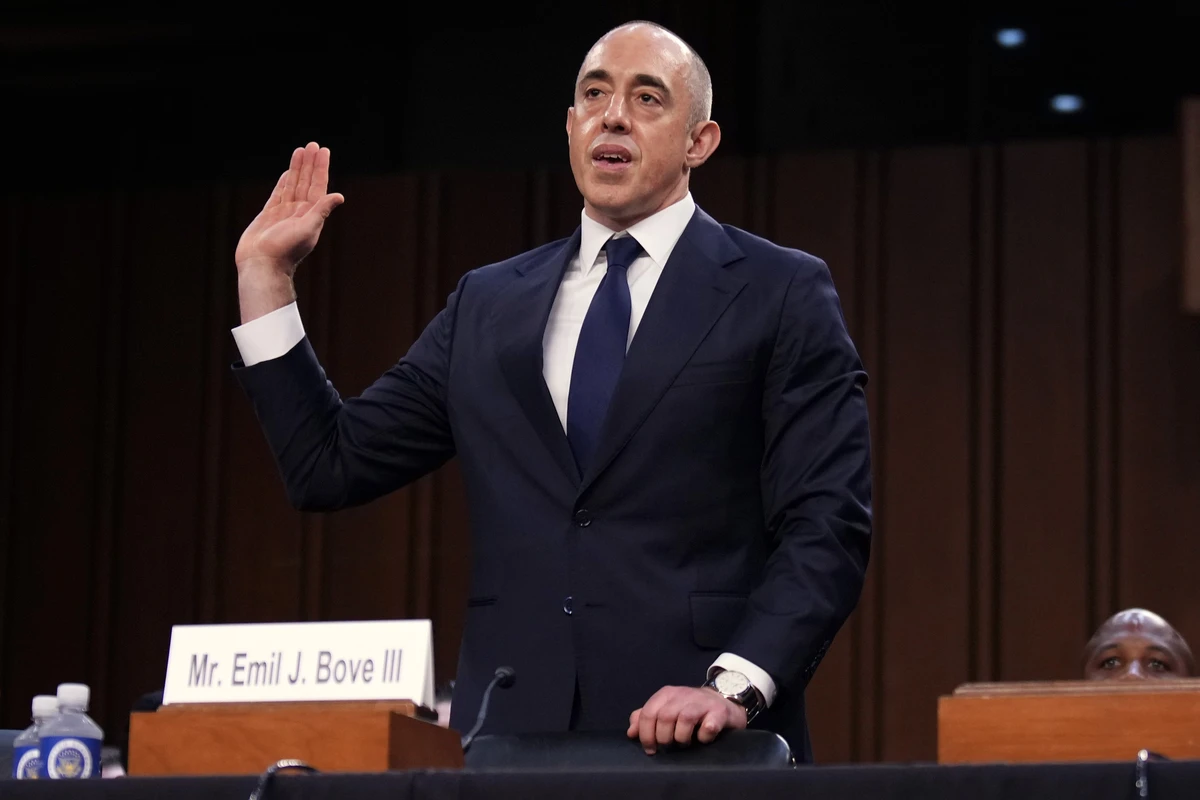
In a sharply divided decision, the US Senate on Tuesday confirmed Emil Bove, a former personal attorney to President Donald Trump, as a judge on the 3rd US Circuit Court of Appeals.
The confirmation, passed by a narrow 50-49 vote, reflects the deep partisan tensions surrounding Bove’s nomination.
Bove’s appointment to the lifetime judicial position was strongly opposed by Democrats, many of whom staged a walkout earlier this month during a Senate committee session in protest. The opposition wasn’t solely Democratic—two Republican Senators, Lisa Murkowski of Alaska and Susan Collins of Maine, also voted against the confirmation. However, with a 53-47 majority, Republicans succeeded in securing the vote.
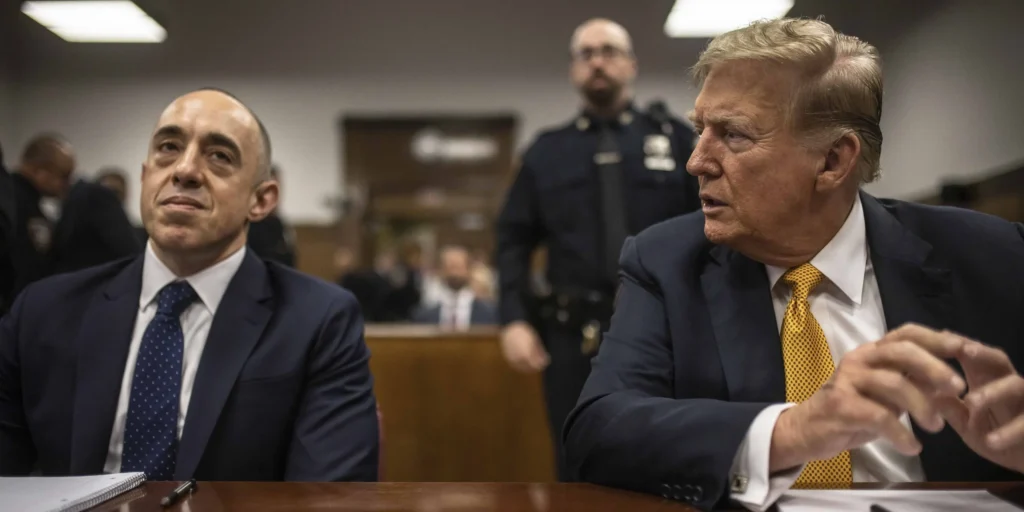
At 44 years old, Bove has had a notable career as a former federal prosecutor and had been serving as the third-ranking official in the Justice Department prior to his nomination. Still, his professional path has not been without controversy, particularly his close ties to President Trump and his role in some of the president’s most contentious legal battles.
Following the Senate vote, Senator Dick Durbin, the top Democrat on the Senate Judiciary Committee, issued a strong rebuke of Bove’s confirmation. Durbin remarked that Bove’s “primary qualification appears to be his blind loyalty to this President,” accusing him of defending those who participated in the January 6 Capitol riots and punishing career prosecutors who sought to hold them accountable.
The Third Circuit Court of Appeals—where Bove will now serve—has jurisdiction over the states of Delaware, New Jersey, and Pennsylvania. But his confirmation has drawn scrutiny from lawmakers and legal professionals far beyond those states.
In a joint statement, New Jersey Senators Cory Booker and Andy Kim criticized Bove’s judicial appointment, asserting that his “professional record is marred by a pattern of abusive behavior, ethical breaches, and disdain for the norms of judicial integrity.”
That sentiment has been echoed throughout legal circles. Over 900 former Justice Department attorneys signed a letter addressed to the Senate Judiciary Committee, stating that Bove’s elevation to such a high judicial office was “intolerable” in light of his alleged actions while serving the Trump administration.
Further amplifying those concerns, a coalition of more than 75 retired state and federal judges also weighed in, warning the committee that “it is deeply inappropriate for a president to nominate their criminal defense attorney for a federal judgeship.”
Much of the criticism stems from Bove’s previous legal representation of Trump in high-profile cases. He was part of Trump’s defense in the New York case that resulted in the president’s conviction on 34 counts of falsifying business records to conceal hush money payments made to a porn star. Bove also represented Trump in two other federal criminal investigations that were discontinued following Trump’s re-election in 2024.
Bove’s name also surfaced earlier this year when he directed federal prosecutors to drop bribery and fraud charges against New York Mayor Eric Adams. The abrupt reversal led to a string of resignations within the US Attorney’s Office in Manhattan and the Justice Department in Washington. Though critics have accused Bove of acting in exchange for Mayor Adams’ vocal support of Trump’s immigration policies, Bove has denied any suggestion of a quid pro quo.
Despite the uproar, the Senate confirmation marks a major milestone in Bove’s career and further strengthens Trump’s influence on the federal judiciary.
What you should know
Emil Bove, once a personal lawyer to President Donald Trump and a top figure in the Justice Department, has now been confirmed to the US Court of Appeals for the Third Circuit.
His controversial nomination stirred bipartisan concern over his ethics, loyalty, and past conduct, particularly due to his defense of Trump in several criminal cases and decisions that prompted mass resignations within the DOJ.
His confirmation underscores the continued political struggle over the federal judiciary under Trump’s second term.