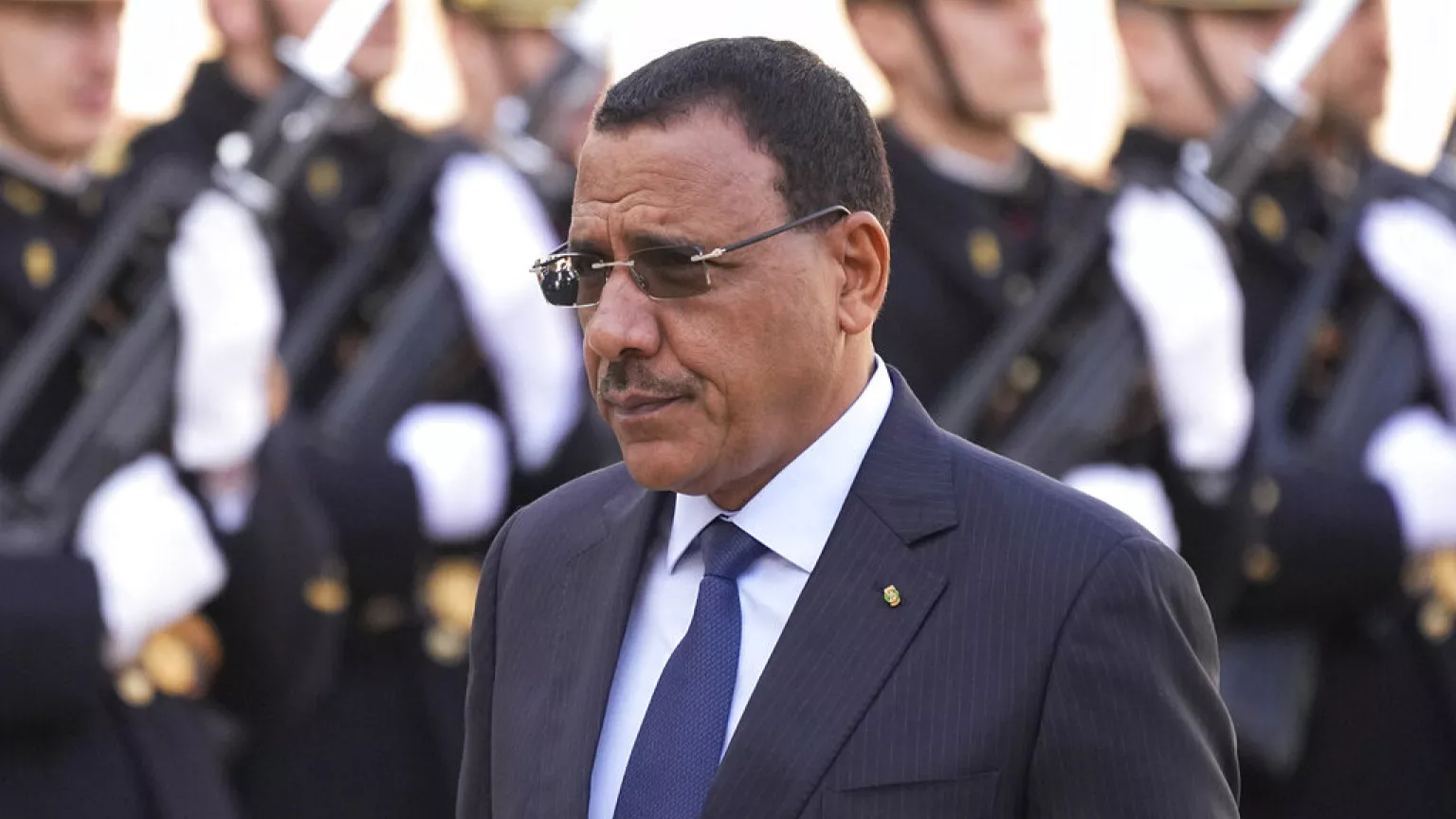
The European Union has once again called on Niger’s military rulers to release Mohamed Bazoum, the deposed president who has been held in detention since his overthrow on July 26, 2023.
Bazoum, along with his wife Hadiza, has been confined to a section of the presidential palace in Niamey, where he has remained since the coup. According to his legal team, the former president has not set foot outside the premises in the year since his removal.
In a statement released on Saturday, the EU acknowledged the recent liberation of some political detainees in Niger but voiced concern over the continued incarceration of Bazoum and others. The statement, issued by the bloc’s foreign policy chief, Kaja Kallas, read: “The EU calls again for the release of these people who are being held for political reasons.”
Despite the passage of time, the junta has yet to formally open a case against Bazoum. Months after the coup, military leaders alleged that he had been involved in “plotting against the security and authority of the state” and accused him of “treason.” According to his legal representatives, a conviction on treason charges could potentially lead to the death penalty.
In June 2024, the country’s top court—formed under the junta’s oversight—revoked Bazoum’s presidential immunity, removing a key legal protection and paving the way for a possible trial. Still, no formal proceedings have been launched, leaving the former president in prolonged legal limbo.
Bazoum, who came to power through democratic elections in 2021, has neither stepped down nor been convicted of any crime. His ongoing detention has drawn widespread condemnation from regional and international actors, with the EU among the most vocal.
“The EU remains available for a frank, honest, and structured dialogue with the Nigerien authorities based on mutual respect and shared interests,” the statement concluded, signaling the bloc’s continued interest in diplomatic engagement despite the ongoing political impasse.
What you should know
Mohamed Bazoum, Niger’s democratically elected president, has remained in detention for over a year following a military coup.
The EU, through its foreign policy chief Kaja Kallas, has reiterated its call for his release, criticizing his continued confinement as politically motivated.