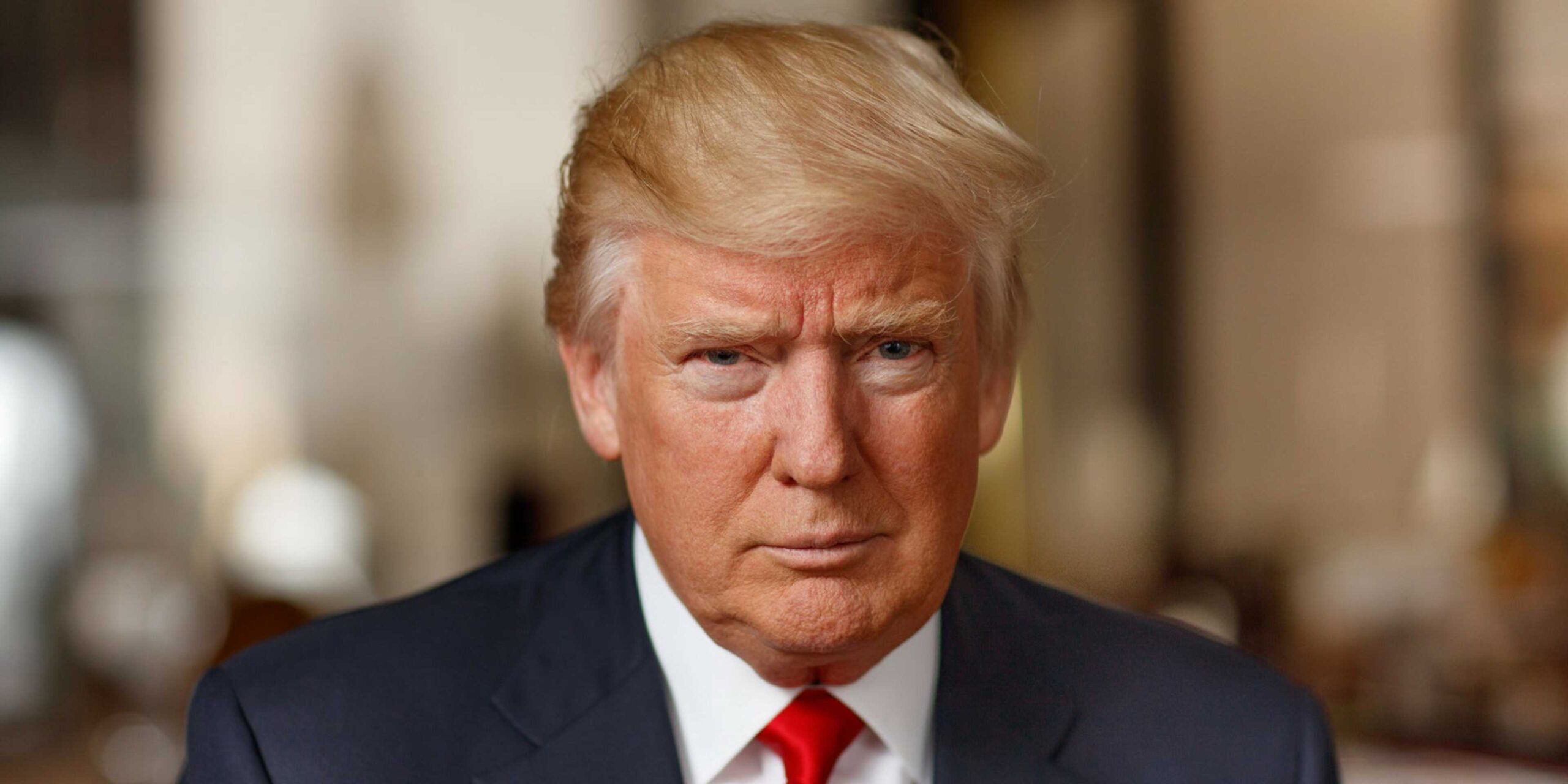
President Donald Trump delivered mixed signals on Friday on the prospects for a breakthrough trade agreement with the European Union, telling reporters there was only a “50-50 chance, maybe less” of reaching a deal as his administration’s August 1 deadline for imposing punitive tariffs rapidly approaches.
Speaking to the press as he departed the White House for a multi-day trip to Scotland, Trump acknowledged ongoing negotiations with Brussels while tempering expectations for success. “We’re working very diligently with Europe, the EU,” the president said, before adding the caveat that characterized much of his comments on the talks.
The president’s assessment came just one day after the European Commission struck a notably more optimistic tone, declaring that a “negotiated trade solution with the United States was within reach.” However, that diplomatic optimism was accompanied by a harder edge, as EU members simultaneously approved retaliatory tariffs on $109 billion worth of American goods—a clear signal that Brussels is preparing for the possibility that negotiations could collapse entirely.
The stakes of these talks cannot be overstated. Trump has threatened to impose sweeping 30% import tariffs on European goods beginning August 1, a move that would mark a significant escalation in transatlantic trade tensions and potentially trigger the kind of trade war that economists warn could damage both economies.
According to EU diplomatic sources, the contours of a potential agreement are beginning to emerge. The framework under discussion would reportedly establish a broad 15% tariff rate on European goods entering the United States—a significant reduction from Trump’s threatened 30% rate, but still a substantial increase from current levels. This structure would mirror a similar arrangement Washington recently negotiated with Japan, suggesting the administration may be settling on a template for its trade relationships with key partners.
For any deal to materialize, Trump indicated Friday that the EU would need to “buy down” the tariff rate, though he provided no specifics on what such an arrangement might entail. This language suggests the administration is seeking concrete commitments from Brussels—whether in the form of increased purchases of American goods, investment pledges, or other economic concessions.
The European Union’s approach appears markedly different from Japan’s strategy. While Tokyo agreed to pledge significant investment in the United States as part of its trade arrangement, EU diplomats indicated Friday that Brussels is not considering similar investment commitments. This divergence could prove to be a sticking point in the negotiations.
The White House, meanwhile, appeared intent on managing expectations. Officials cautioned that reports of progress should be viewed as “speculation,” while Trump trade adviser Peter Navarro told Bloomberg News that optimistic assessments from the EU should be taken “with a grain of salt.”
This rhetorical dance reflects the delicate nature of the negotiations. Both sides face domestic pressures—Trump must deliver on his promises to rebalance trade relationships, while EU leaders cannot be seen as capitulating to American pressure. The result is a high-stakes diplomatic game where public statements serve multiple audiences.
The timing adds another layer of complexity. With Trump departing for Scotland and the August 1 deadline less than two weeks away, negotiators have precious little time to bridge remaining gaps. The president’s golf trip, which includes planned bilateral meetings, could provide informal opportunities for diplomatic progress, but it also removes him from Washington during a critical period.
For European businesses and American consumers, the uncertainty carries real costs. Companies on both sides of the Atlantic are already grappling with supply chain disruptions and planning challenges as they prepare for multiple scenarios. A 30% tariff regime would force significant adjustments in trade flows and could drive up prices for American consumers on everything from automobiles to luxury goods.
The broader implications extend beyond economics. The transatlantic relationship has been strained throughout Trump’s presidency, with disputes over everything from defense spending to climate policy. A trade war would add another significant irritant to an already complicated partnership at a time when both sides face challenges from China and other global competitors.
As negotiations continue behind closed doors, both Washington and Brussels appear to be engaging in a careful calibration of public expectations—neither wanting to appear overly eager nor completely pessimistic. Trump’s 50-50 assessment may well reflect the genuine uncertainty surrounding these talks, where success or failure could hinge on last-minute diplomatic maneuvering and political calculations on both sides of the Atlantic.
With the clock ticking toward August 1, the coming days will likely prove decisive in determining whether pragmatism or brinkmanship ultimately prevails in this high-stakes trade standoff.
WHAT YOU SHOULD KNOW
President Trump gave the EU-US trade deal only 50-50 odds of success with less than two weeks remaining before his August 1 deadline to impose devastating 30% tariffs on European goods. While both sides claim progress toward a compromise 15% tariff rate, the White House is downplaying expectations, and the EU has already approved $109 billion in retaliatory tariffs as backup.
With Trump traveling to Scotland during this critical period, businesses and consumers on both sides face significant uncertainty as negotiators race against time to avoid a damaging trade war that could disrupt supply chains and raise prices.