Russia and Ukraine are set to resume peace negotiations on Wednesday, following two previous meetings in Istanbul that yielded little progress toward halting the ongoing war between the two nations.
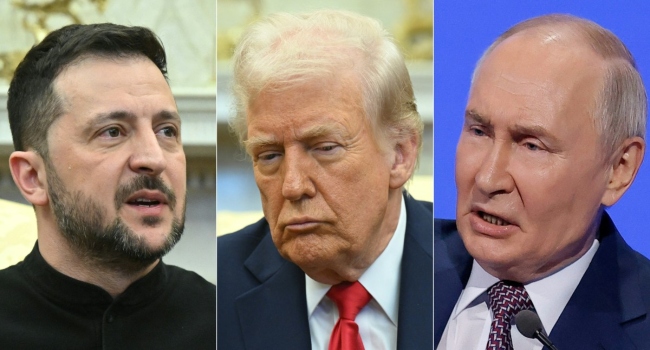
Ukrainian President Volodymyr Zelensky made this announcement in his daily address on Monday.
According to Zelensky, Ukrainian Security Council Chief Rustem Umerov has been overseeing preparations for the upcoming discussions with Russian representatives. “Today, I discussed with Rustem Umerov the preparations for the exchange and another meeting in Turkey with the Russian side. Umerov reported that the meeting is scheduled for Wednesday,” he disclosed. Zelensky also noted that additional information would be made available on Tuesday.
The two sides previously convened in Istanbul on May 16 and June 2 under mounting pressure from the United States to agree on a ceasefire. However, despite persistent encouragement from US President Donald Trump, both rounds of discussions concluded without any significant breakthrough.
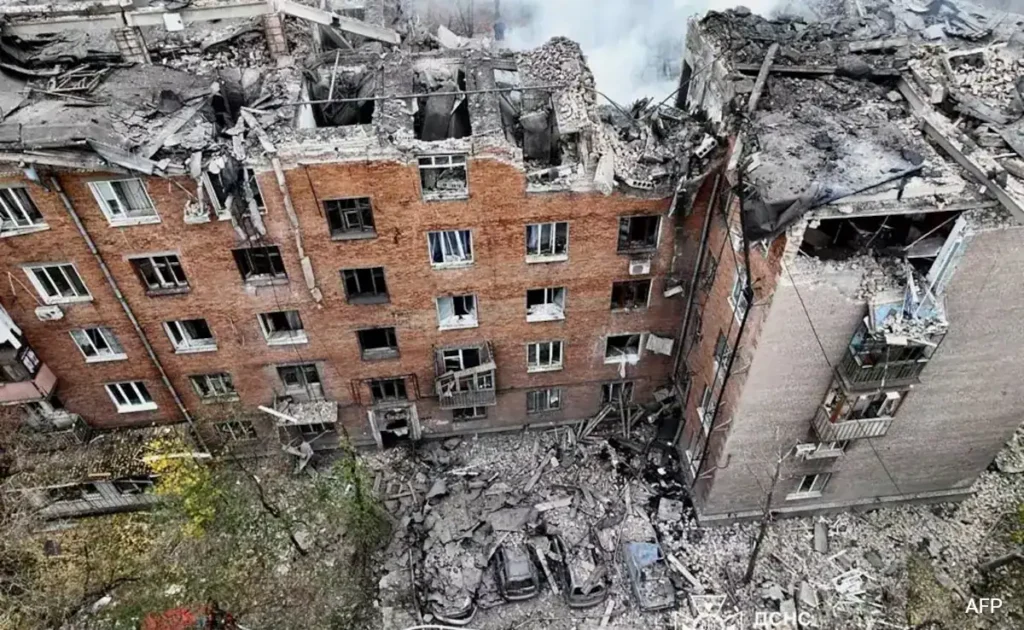
Thus far, Russian and Ukrainian negotiators have only managed to reach consensus on prisoner exchanges. Since those meetings, Russia has intensified its air assaults on Ukraine and gained further territory along the frontlines.
Moscow continues to insist that Ukraine relinquish control of four additional regions, in addition to Crimea—which Russia annexed in 2014. Furthermore, the Kremlin demands that Ukraine abandon its ambitions to join the NATO military alliance.
These conditions have been firmly rejected by Kyiv, which remains skeptical about Russia’s genuine interest in pursuing peace. Ukrainian authorities have questioned the Kremlin’s sincerity, especially in light of ongoing hostilities and territorial expansion.
In a significant development last week, President Trump issued an ultimatum, giving Russia 50 days to negotiate a peace agreement or face severe sanctions. The U.S. also announced renewed military aid to Ukraine. In response, the Kremlin indicated a willingness to continue talks, signaling a potential window for diplomatic engagement.
Although discussions in the earlier sessions touched on conceptual frameworks for a peace deal, both parties remain deeply divided. Commenting on the prospects for progress, Kremlin spokesman Dmitry Peskov said, “A lot of diplomatic work lies ahead.”
The renewed dialogue underscores the fragile state of international diplomacy surrounding the conflict, with both sides navigating not only their own strategic interests but also external pressures and public skepticism.
What you should know
Volodymyr Zelensky, President of Ukraine since 2019, was a former comedian and television star who transitioned into politics with a strong anti-corruption stance.
His leadership during Russia’s invasion has earned him global recognition, particularly for his resilience and refusal to flee Kyiv. Zelensky remains a symbol of Ukrainian resistance and diplomatic tenacity.