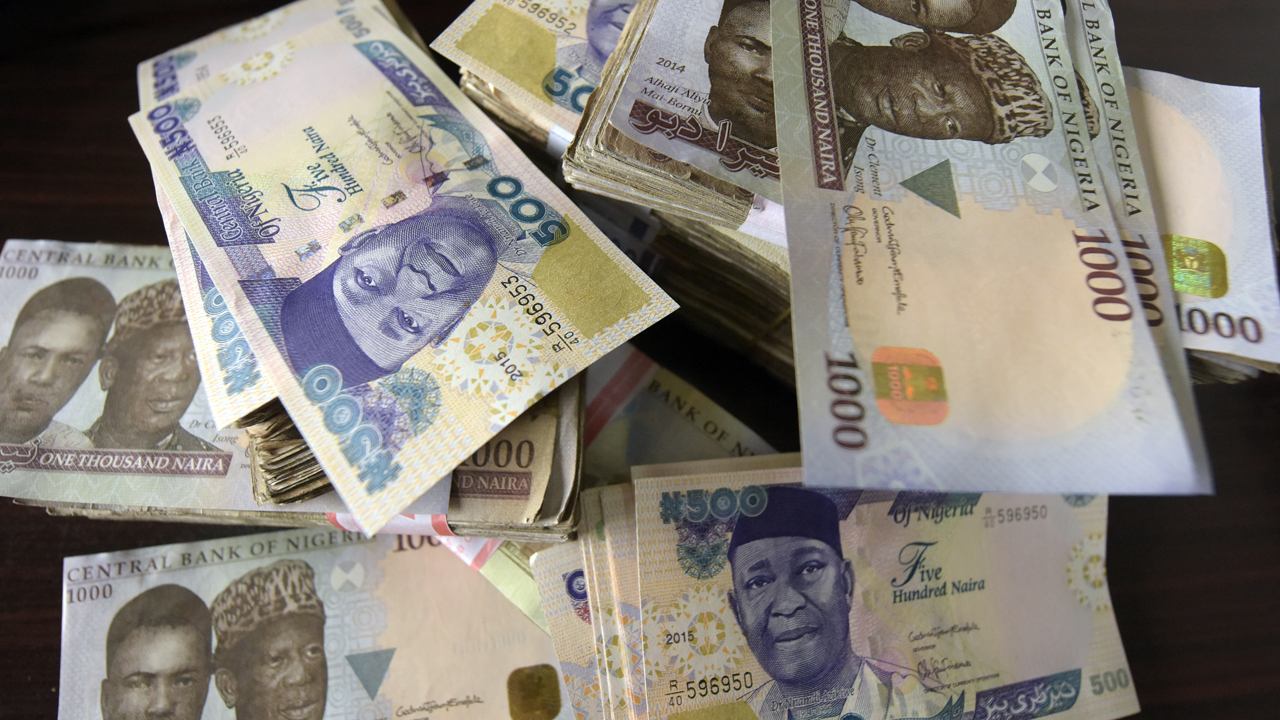
The Nigerian naira opened the week on a strong note, edging toward N1,530 per dollar in the unofficial foreign exchange market, as a rare alignment of domestic improvements and favorable global conditions provided sustained support for Africa’s most populous nation’s currency.
Naira Benefits from Perfect Storm of Support
The naira’s recent stability represents a dramatic shift from the volatility that has characterized Nigeria’s currency markets in recent years. The strengthening comes as multiple factors converge to create what currency analysts describe as the most supportive environment for the naira in months.
“We’re seeing a confluence of factors that traditionally support emerging market currencies all happening simultaneously,” said a senior foreign exchange dealer in Lagos. “The naira is finally catching a break from the perfect storm of negative pressures it has faced.”
Oil Production Surge Bolsters Naira Fundamentals
At the heart of the naira’s improved performance lies Nigeria’s success in meeting its OPEC production commitments. June 2025 marked the first time in five months that Nigeria fulfilled its quota, with crude oil production increasing 3.6% to 1.51 million barrels per day from May’s 1.45 million barrels.
This production milestone directly translates into increased foreign currency earnings for Nigeria, providing the Central Bank of Nigeria (CBN) with greater firepower to defend the naira when necessary. The improved oil output signals to international investors that Nigeria can deliver on its commitments—a crucial factor in currency confidence.
The CBN’s healthier foreign exchange reserve position, bolstered by these increased oil revenues, allows for more effective market interventions. This has created a virtuous cycle where improved fundamentals reduce the need for intervention while simultaneously increasing the central bank’s capacity to act when required.
Dollar Weakness Creates Favorable Exchange Rate Environment
International currency dynamics are providing significant tailwinds for the naira. The US Dollar Index (DXY) has declined to approximately 98.45, pressured by concerns over President Trump’s trade policies and Federal Reserve independence.
For naira holders, this dollar weakness translates into reduced pressure on Nigeria’s currency across all major trading pairs. The dollar’s first-quarter 2025 decline of 10.8%—its worst quarterly performance since 1973—has created breathing room for emerging market currencies that were previously under intense pressure.
“When the dollar weakens this dramatically, it’s like removing a heavy weight from currencies like the naira,” explained a currency strategist at a leading Lagos-based financial institution. “Nigeria gets the double benefit of improved oil revenues and reduced dollar strength.”
Inflation Moderation Supports Currency Stability
The naira’s gains are being underpinned by improving domestic price dynamics. Nigeria’s headline inflation rate softened to 22.22% in June from 22.97% in May, representing a 0.76 percentage point improvement that signals increasing macroeconomic stability.
More dramatically, the year-over-year comparison shows inflation declining by nearly 12 percentage points from June 2024’s 34.19% rate. This substantial improvement enhances the naira’s purchasing power domestically while making Nigerian assets more attractive to foreign investors concerned about real returns.
The upcoming Monetary Policy Committee meeting has market participants closely watching for potential policy adjustments that could further support the naira’s stability.
Trade Dynamics and Fuel Import Reduction
Nigeria’s gradual progress toward fuel self-sufficiency is reducing one of the major drains on the naira. First-quarter data showing a smaller overall import bill suggests that fuel import volumes are decreasing, though complete elimination of fuel imports remains a work in progress.
Every barrel of fuel that Nigeria produces domestically rather than imports represents saved foreign exchange that would otherwise put downward pressure on the naira. This structural improvement provides long-term support for currency stability beyond current market conditions.
Global Trade Policy Provides Breathing Room
The extension of US tariff renegotiation deadlines until August 1 has reduced some of the uncertainty that typically weighs on emerging market currencies. While automatic tariff triggers remain a concern if agreements aren’t reached, Commerce Secretary Howard Lutnick’s statements about still seeking deals have provided some market confidence.
For the naira, reduced global trade tensions mean less flight-to-safety demand for dollars and more appetite for higher-yielding emerging market assets, including Nigerian government securities.
Market Positioning and Foreign Investment Flows
The combination of factors supporting the naira has begun attracting foreign portfolio investors back to Nigerian markets. Increased market confidence, supported by fewer global uncertainties, is generating the kind of foreign currency inflows that provide natural support for the naira’s exchange rate.
Historical patterns suggest that for every 10% decline in the DXY, emerging market equities typically gain about 9%, according to UBS analysis. This relationship means continued dollar weakness could drive additional foreign investment into Nigerian assets, further supporting the naira.
Technical and Fundamental Outlook
From a technical perspective, the naira’s movement toward N1,530/$ in the unofficial market represents a significant improvement from recent levels. The currency’s stability in both official and parallel markets suggests that the gap between official and unofficial rates—long a source of market distortion—may be narrowing.
The Federal Reserve’s likely policy stance, with a 94% probability of unchanged rates at the upcoming meeting, provides some predictability for currency markets. Fed Governor Christopher Waller’s dovish comments about potential rate cuts to support the softening US labor market could provide additional support for emerging market currencies if implemented.
Risks and Sustainability Concerns
Despite the positive momentum, several risks could challenge the naira’s recent gains. The August 1 deadline for US trade negotiations remains a potential source of volatility. Any escalation in global trade tensions or unexpected shift in Federal Reserve policy could quickly reverse the favorable conditions currently supporting the naira.
Nigeria’s ability to maintain increased oil production levels will be crucial for sustaining the currency’s improvement. Any security issues or operational challenges that reduce output below OPEC quotas could quickly undermine market confidence.
Looking Ahead
The naira’s current strength represents more than just a reprieve from previous pressures. The alignment of improved oil production, moderating inflation, dollar weakness, and reduced global uncertainties creates a foundation for sustained currency stability that Nigeria hasn’t enjoyed in recent years.
However, maintaining this momentum will require continued execution on oil production targets, sustained progress on structural economic reforms, and careful navigation of global policy uncertainties. For now, the naira appears to be making the most of a rare moment when multiple factors are working in its favor simultaneously.
WHAT YOU SHOULD KNOW
The Nigerian naira has strengthened to N1,530/$ as multiple favorable conditions align simultaneously. Nigeria finally met its OPEC production quota after five months, boosting oil revenue inflows that directly support the currency.
Domestic inflation moderated to 22.22% from previous highs, while the US dollar experienced its worst quarterly decline since 1973, reducing pressure on emerging market currencies like the naira.
This represents a rare moment where Nigeria’s improved oil production fundamentals coincide with global dollar weakness—a combination that hasn’t occurred in years. However, sustainability depends on maintaining oil output levels and navigating upcoming US trade policy deadlines in August.
For now, the naira is benefiting from the strongest support structure it has seen in months, but the window for capitalizing on these favorable conditions may be limited.