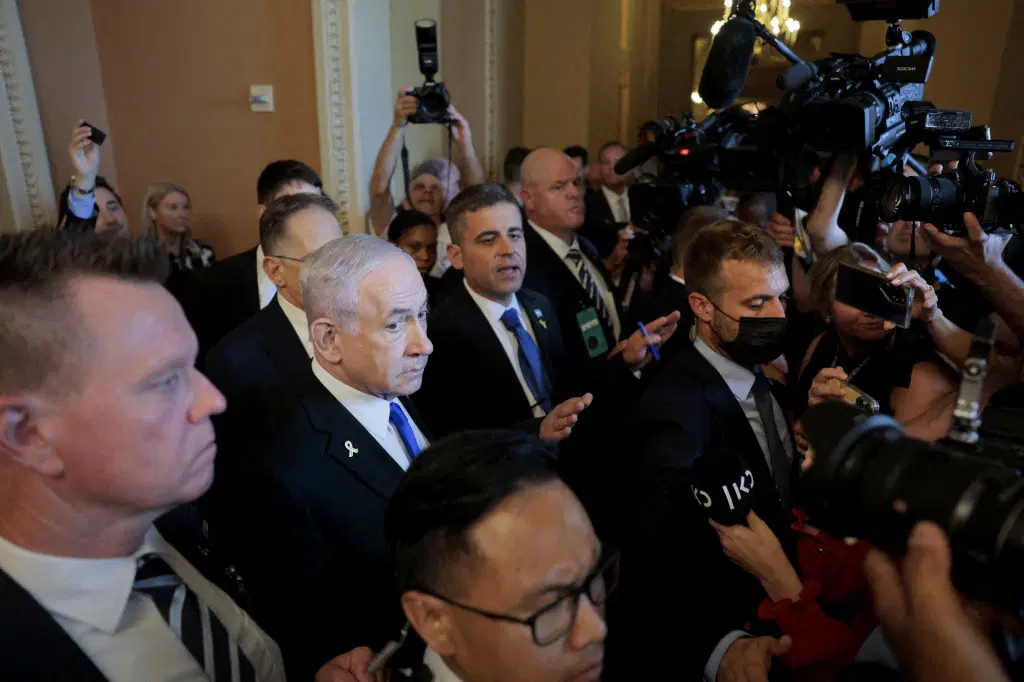
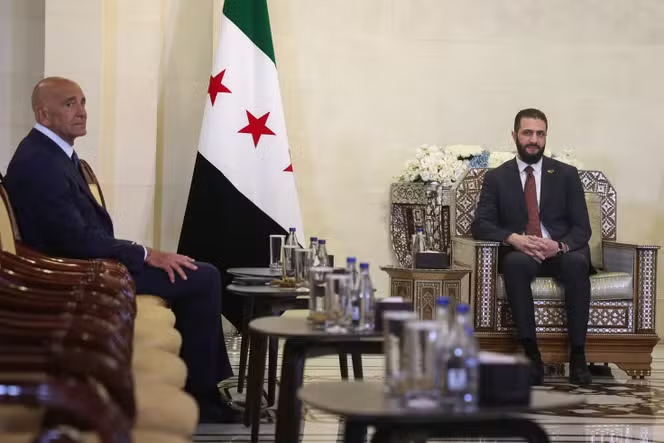
A ceasefire agreement has been reached between Israeli Prime Minister Benjamin Netanyahu and Syria’s recently appointed leader, Ahmed al-Sharaa, just days after Israel launched a series of powerful airstrikes in the Syrian capital.
The development was disclosed on Friday by Tom Barrack, the United States ambassador to Turkey and a key figure in U.S. efforts related to the Syrian conflict.
According to Barrack, the truce is not only an understanding between the two nations but also enjoys the support of regional players including Turkey and Jordan. In a message shared on the social media platform X, Barrack appealed to all parties involved in Syria’s prolonged conflict to seize the moment and put down their arms.
“We call upon Druze, Bedouins, and Sunnis to put down their weapons and together with other minorities build a new and united Syrian identity in peace and prosperity with its neighbors,” Barrack stated, stressing the importance of reconciliation and the opportunity to establish a peaceful co-existence among Syria’s diverse communities.
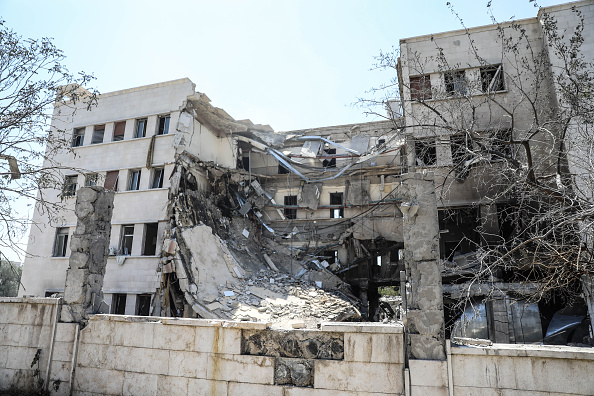
Earlier in the week, on Wednesday, Israel had launched intense aerial assaults targeting key sites in Damascus, including the Syrian military’s central command facility. These attacks, according to Israeli authorities, were a response to escalating violence in the southern Syrian province of Sweida, where clashes had erupted between members of the Druze minority and Bedouin groups. Israel argued that it acted in defense of the Druze population, which also exists within its own borders.
The conflict in Sweida drew international attention as it threatened to expand the war and destabilize the region further. The United States, while closely monitoring the situation, announced on the same day that a breakthrough had been achieved in Sweida, with Syrian military forces withdrawing from the area as part of a U.S.-brokered deal.
Despite being longstanding allies, Washington publicly distanced itself from the Israeli military campaign in Damascus. A statement from the State Department clarified that the United States does not support the airstrikes carried out by Israel. This distinction highlights the complexities of diplomatic alignments in the region, especially as the U.S. maintains strong military and political ties with Israel.
Some international observers and foreign policy analysts have interpreted Israel’s aggressive approach as a strategic effort to erode the strength of a rival regime during a moment of vulnerability. With Bashar al-Assad, a close ally of Iran, ousted by Sharaa’s Islamist-led movement in December, Israel may be seeking to diminish any lingering threats posed by the new leadership in Damascus.
Although the ceasefire offers a rare moment of hope in a conflict that has left Syria shattered by over a decade of war, challenges remain. The deep divisions among Syria’s sectarian and ethnic groups—along with the legacy of foreign involvement—make long-term peace uncertain. However, the involvement of both regional powers and major international players lends weight to the truce and signals a cautious optimism for a more stable future.
What you should know
Israeli and Syrian leaders have agreed to a ceasefire after Israeli airstrikes hit Damascus in response to ethnic clashes in Sweida. The agreement, supported by Turkey and Jordan, comes as Syria transitions under new leadership following Assad’s ouster.
While the U.S. brokered a troop withdrawal in Sweida, it made clear it does not back Israel’s strikes, reflecting delicate geopolitical dynamics in the region.