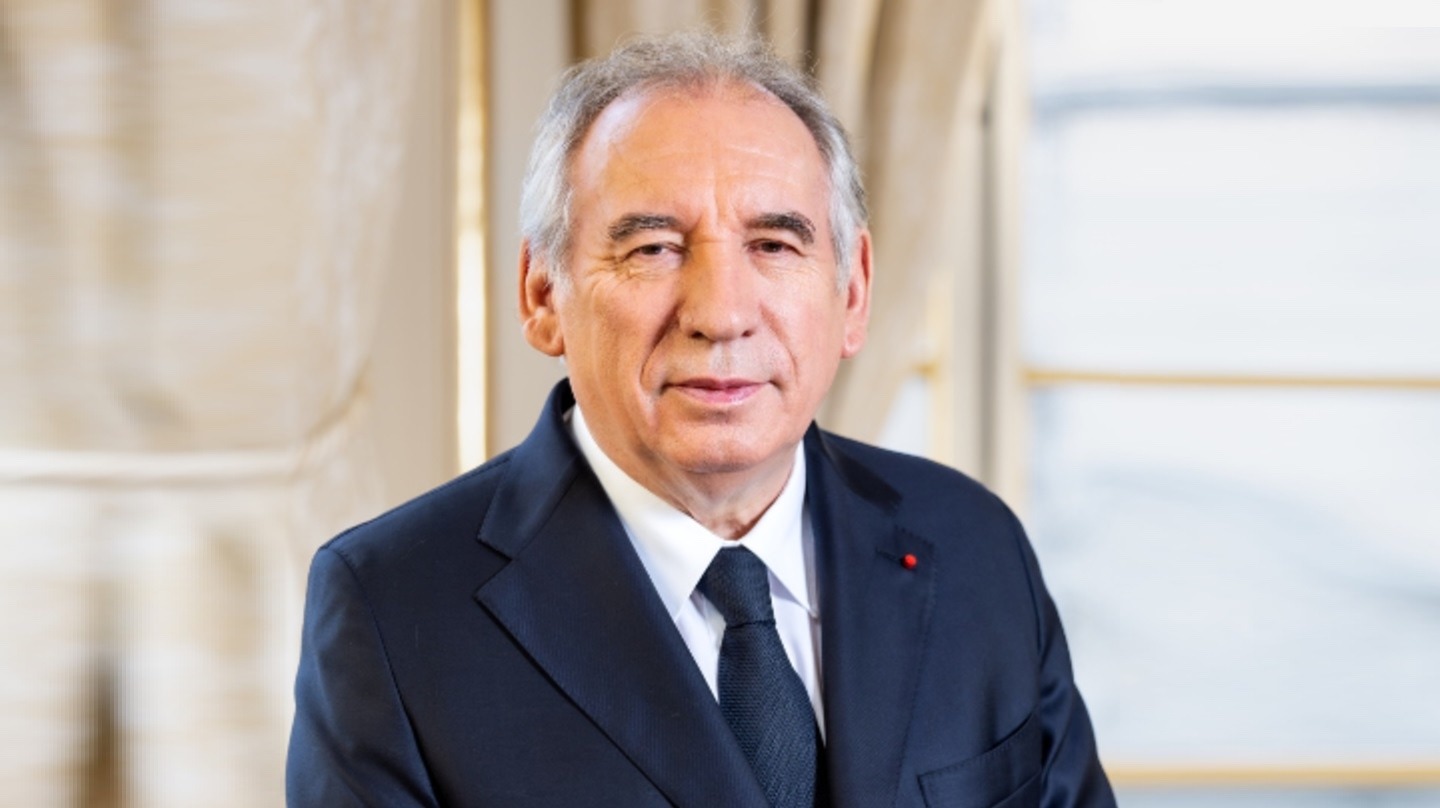
French Prime Minister François Bayrou has unveiled a controversial proposal aimed at reducing France’s mounting debt burden by eliminating two national public holidays, a move he claims could generate billions of euros in savings for the state.
Speaking Tuesday during the presentation of the 2026 national budget proposal, Bayrou described France’s debt situation as “a curse with no way out,” emphasizing that the country has been borrowing monthly just to cover critical expenditures like pension payments and civil servant salaries. As part of his wider fiscal reform strategy, Bayrou proposed scrapping Easter Monday and May 8—the latter marking the end of World War II in Europe—from the country’s list of 11 national holidays.
Bayrou argued that this reduction would bring France’s national holidays closer to Germany’s nine—although German states can legislate their holidays—and below Italy’s 12. The move, he said, would not only align France with its European peers but also inject “several billions of euros” into public coffers by boosting productivity and reducing public sector downtime.
However, the proposal quickly ignited fierce backlash across France’s political spectrum. Jordan Bardella, leader of the far-right National Rally party, described the plan as a direct assault on French history, traditions, and workers’ rights. “Abolishing two holidays, especially ones as filled with meaning as Easter Monday and May 8, is a direct attack on our history, our roots and on labour in France,” Bardella said.
Marine Le Pen, the party’s parliamentary chief, went even further, threatening to support a no-confidence vote if Bayrou doesn’t back down. On the left, Jean-Luc Mélenchon, leader of the France Unbowed party, called for Bayrou’s immediate resignation, claiming the proposal amounted to a “social war.” His colleague, Mathilde Panot, echoed those sentiments, warning that such austerity measures were intolerable and deeply unfair.
Bayrou acknowledged the political cost of his proposals but stressed the necessity of making hard choices. He said the budgetary gap had already widened beyond initial forecasts, particularly after President Emmanuel Macron announced an additional €3.5 billion in military spending for next year, citing escalating global tensions. France’s defense budget is currently projected at €50.5 billion for 2025.
To regain control of the country’s finances, Bayrou outlined a plan to bring the budget deficit down from an estimated 5.4 percent this year to 4.6 percent in 2026. The government is aiming to fall below the EU’s required 3 percent deficit threshold by 2029. Alongside the potential public holiday cuts, Bayrou also promised a general freeze on spending increases across most sectors, excluding debt servicing and the military.
He highlighted that the burden of adjustment would be shared fairly across society. “The nation’s effort must be equitable,” he said. “We will ask little of those who have little, and more of those who have more.” That commitment, Bayrou explained, includes plans to ensure that wealthier citizens bear a greater share of the fiscal correction.
Bayrou also warned against ignoring recent history, drawing a stark comparison to Greece’s near-collapse during the 2008 financial crisis. “We must never forget the story of Greece,” he said, referencing how unchecked deficits nearly forced the country out of the eurozone. He cited France’s current debt-to-GDP ratio—114 percent, far exceeding the 60 percent ceiling set by EU rules—as a red flag. Only Greece and Italy hold higher debt ratios within the bloc.
To help curb public spending, Bayrou announced a target to reduce the number of civil servants by 3,000 in 2026 and shutter agencies deemed unproductive. “We have become addicted to public spending,” he remarked. “We are at a critical juncture in our history.”
While Bayrou’s proposals sparked outrage, they also signal a growing urgency within France’s leadership to bring long-term discipline to the nation’s fiscal policy, even at the cost of stirring political and public unrest.
What you should know
French Prime Minister François Bayrou has proposed scrapping Easter Monday and May 8 as public holidays to help cut national debt and meet EU fiscal targets.
Critics from both the far-right and left oppose the move, calling it an attack on French values and workers. France’s debt currently stands at 114% of GDP—one of the highest in the EU.