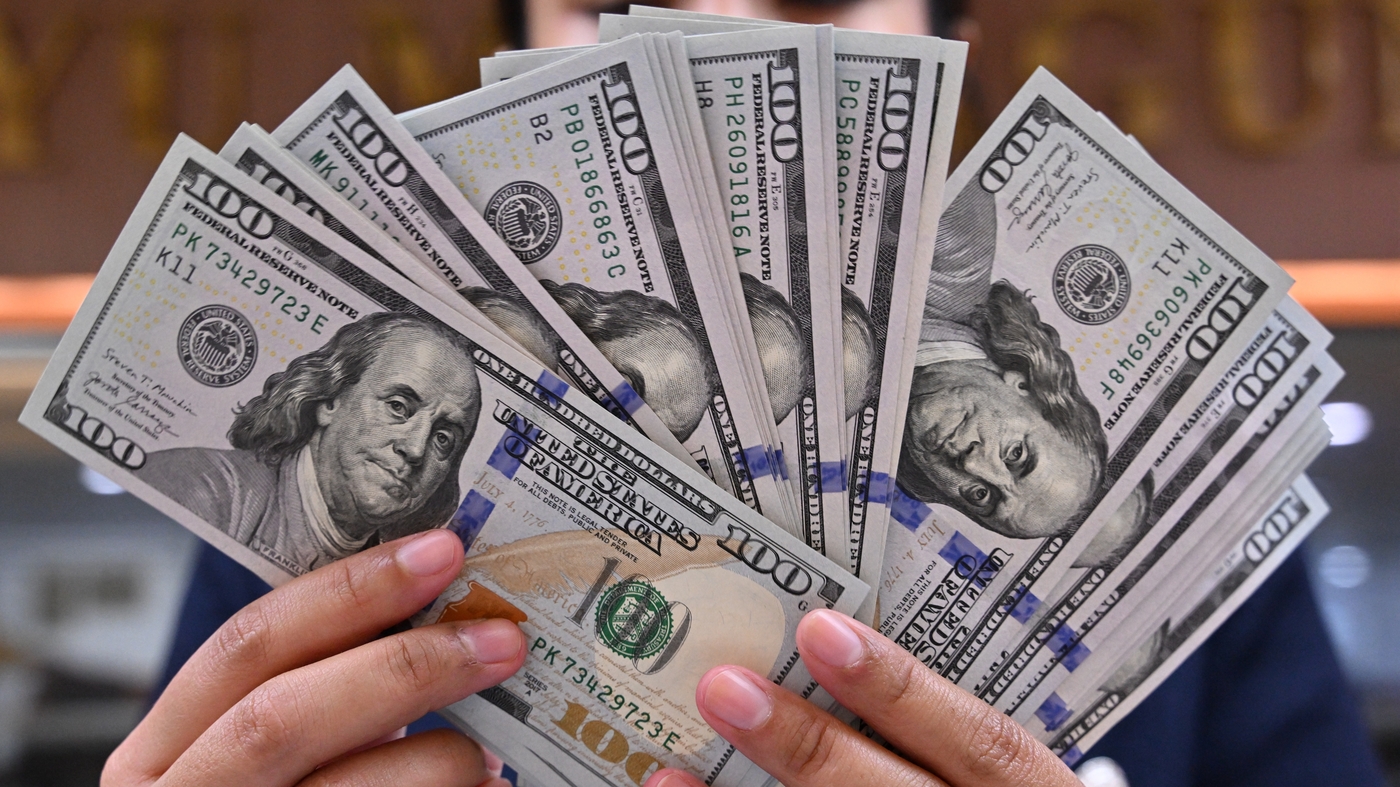
The U.S. dollar extended its steep decline on Monday, hitting fresh multi-year lows against major currencies as investors ramped up bets on Federal Reserve interest rate cuts following renewed optimism over potential trade agreements and dovish signals from Fed leadership.
The greenback slumped to its lowest level in nearly four years against the euro and languished near similar troughs against sterling and the Swiss franc. Against the yen, the dollar shed another 0.2% to trade at 144.315, continuing a punishing sell-off that has pushed the dollar index toward what could be its worst six-month performance since the advent of free-floating currencies in the early 1970s.
Fed Chair’s Dovish Pivot Fuels Rate Cut Speculation
Market sentiment shifted decisively last week after Federal Reserve Chair Jerome Powell’s congressional testimony, which investors interpreted as a clear signal that rate cuts could come sooner than previously anticipated. Powell indicated that reductions would be likely if inflation remains contained despite potential tariff-related pressures this summer.
The dovish interpretation has sent rate cut probabilities soaring. According to CME Group’s FedWatch Tool, traders now assign a 93.3% probability to at least one quarter-point reduction by September, up from approximately 83% just a week earlier. The Fed’s next policy meeting is scheduled for next month, with no August gathering planned.
Trade Deal Progress Provides Additional Dollar Headwind
Adding to the dollar’s woes, the White House appeared to make meaningful progress on trade negotiations. Treasury Secretary Scott Bessent announced Friday that Washington and Beijing had resolved disputes over Chinese rare earth mineral and magnet shipments, building on agreements reached in Geneva in May.
More significantly, Bessent suggested that trade deals with multiple countries could be finalized by Labor Day, potentially providing some flexibility around President Trump’s aggressive July 9 deadline for reaching agreements or imposing what he terms “reciprocal” tariffs.
Canada also moved to restart stalled negotiations by scrapping its digital services tax, while the yuan and Canadian dollar both posted modest gains on the trade developments.
Political Pressure Mounts on Fed Independence
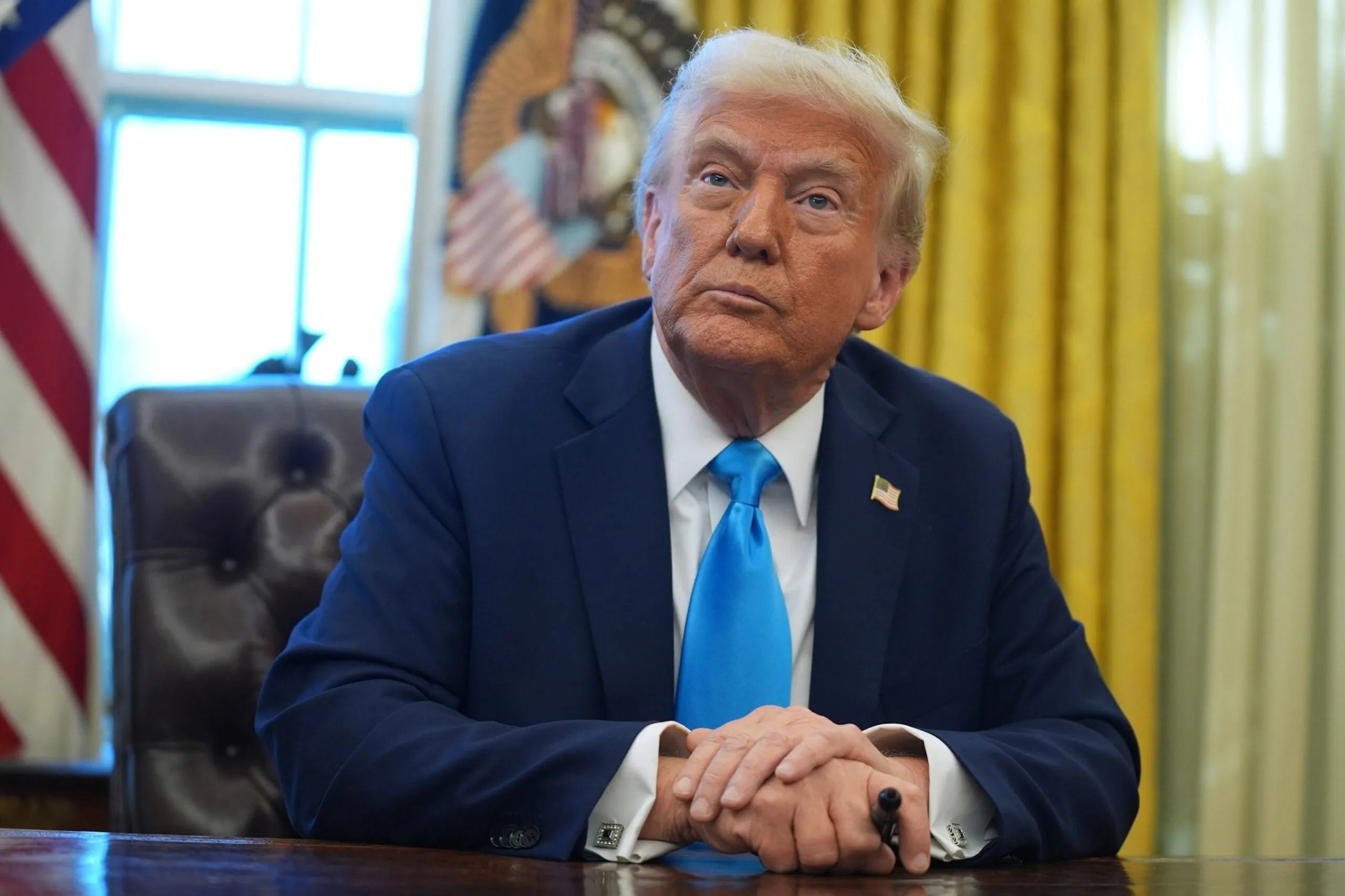
The dollar faced additional pressure from President Trump’s continued public criticism of Powell, including Friday’s statement that he would “love” to see the Fed chair resign before his term expires in May. Trump has also advocated for slashing the benchmark rate from its current 4.25%-4.5% range to just 1%, while promising to replace Powell with a more accommodative successor.
This political interference comes as Congress considers Trump’s massive tax cut and spending package, which the Congressional Budget Office estimates could add $3.3 trillion to the national debt over the next decade.
Critical Data Week Ahead
Market participants are bracing for a packed week of U.S. economic data, including a closely watched jobs report that could significantly influence Fed policy expectations. Francesco Pesole, an FX strategist at ING, warned that while the dollar faces downside risks, markets may have “overshot on dovish pricing.”
“Our calls for only a gradual slowdown in payrolls and an inflation bump in the coming months imply that markets have overshot,” Pesole said, noting that disappointing data could trigger another wave of dollar selling.
Currency Snapshot
The dollar index, which tracks the greenback against six major trading partners, held steady at 97.181 but remained near the three-year low struck last week. The euro traded little changed at $1.1728, close to its highest level since September 2021, while sterling held near $1.3710, not far from Thursday’s peak of $1.37701—its strongest showing since October 2021.
Tariff Deadline Looms
With Trump’s July 9 tariff deadline approaching, analysts expect increased volatility around trade negotiations. Win Thin, global head of markets strategy at Brown Brothers Harriman, predicted that “tariff noise is likely to pick up this week,” though he cautioned that major deals with the EU, China, or Japan remain unlikely in the near term.
The convergence of dovish Fed expectations, trade deal optimism, and political pressure on monetary policy has created a perfect storm for dollar weakness, with currency markets pricing in a fundamental shift in U.S. economic policy that could reshape global foreign exchange dynamics for months to come.
WHAT YOU SHOULD KNOW
The dollar is collapsing to multi-year lows because investors are betting heavily on Fed rate cuts after Powell signaled easier monetary policy, while progress on trade deals with China and other countries is reducing economic uncertainty.
Trump’s political interference—demanding Powell’s resignation and 1% interest rates—is further undermining confidence in the currency.