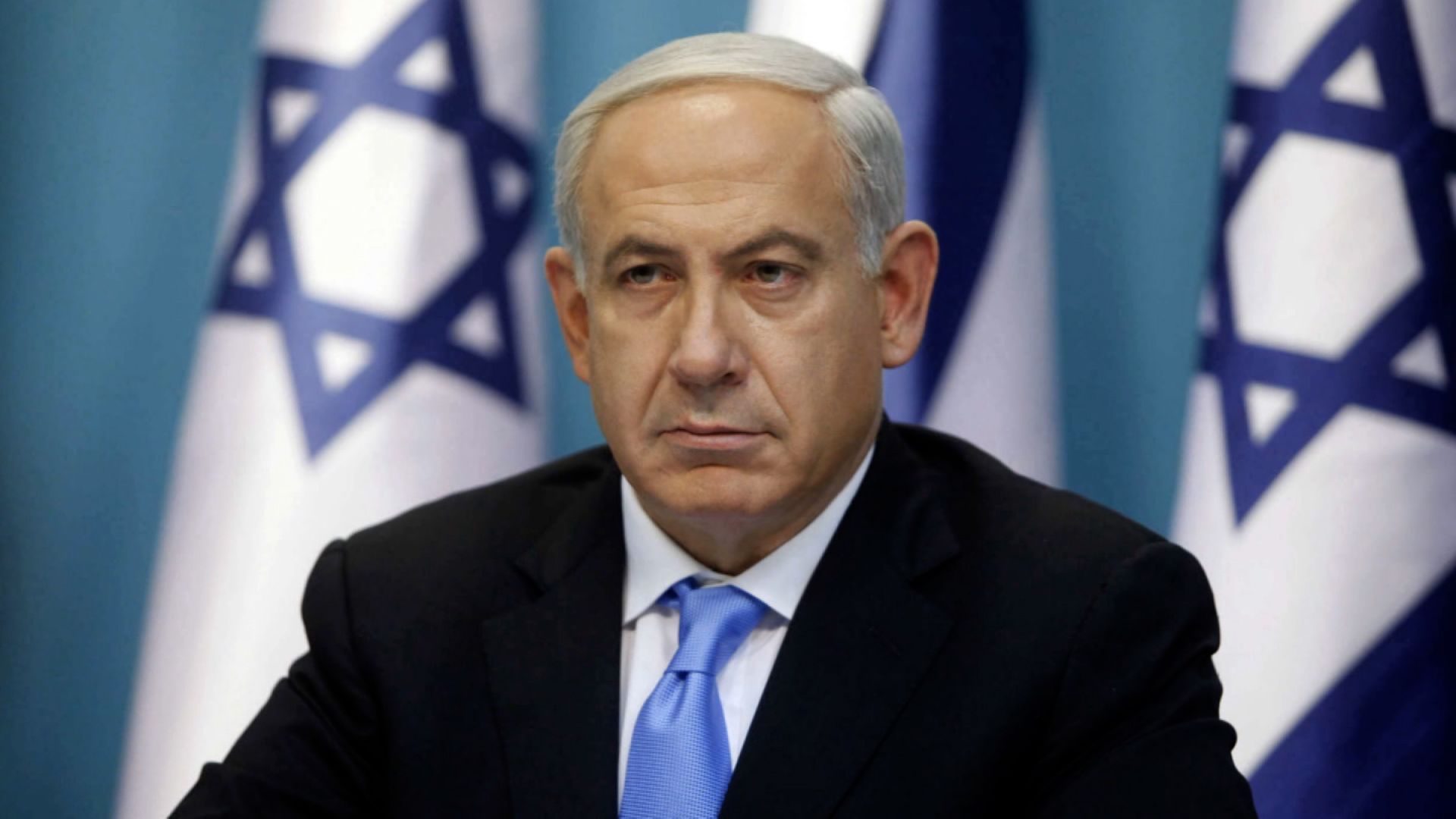
The Iranian government has declared that it is actively responding to the recent attacks by the United States and Israel on several of its nuclear sites, assuring the public and international observers that its nuclear programme remains intact and will continue as planned.
In a broadcast aired on Iran’s state television on Tuesday, Mohammad Eslami, who heads the Atomic Energy Organization of Iran, confirmed that comprehensive assessments were underway to evaluate the impact of the military strikes and that contingency plans to restart operations at affected locations had already been established well in advance.
Eslami noted that measures had been implemented to prevent significant disruption in Iran’s uranium enrichment capabilities or the services provided by its nuclear infrastructure. “Plans for restarting (the facilities) have been prepared in advance, and our strategy is to ensure that production and services are not disrupted,” he explained, reinforcing the narrative that Iran’s nuclear ambitions remain resilient and unfazed.
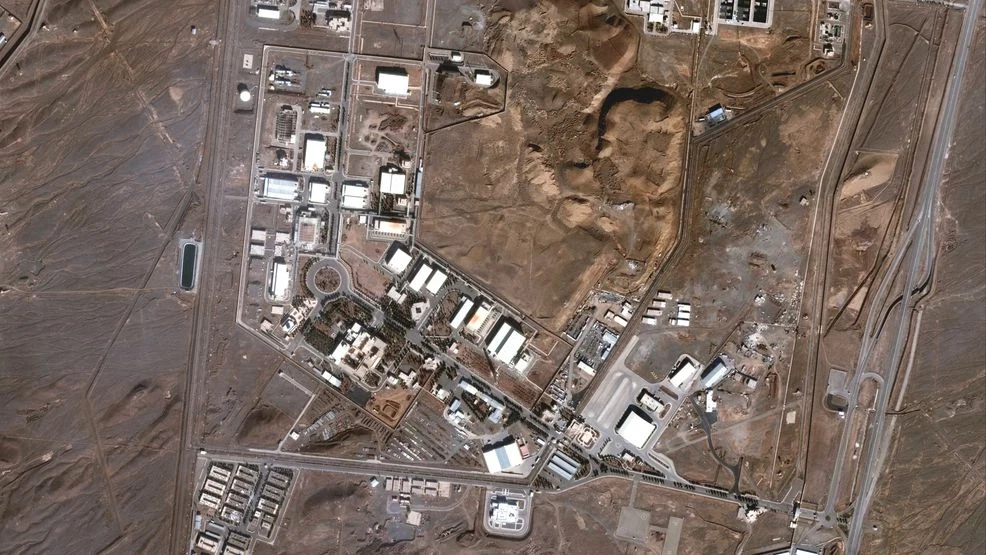
The United States had launched air strikes on Sunday against three major Iranian nuclear sites, Fordo, Isfahan, and Natanz, in a move aimed at curbing the Islamic Republic’s uranium enrichment capabilities. Following the operation, US President Donald Trump hailed the mission as a “spectacular military success,” though the actual scale of damage inflicted on the Iranian installations remains uncertain.
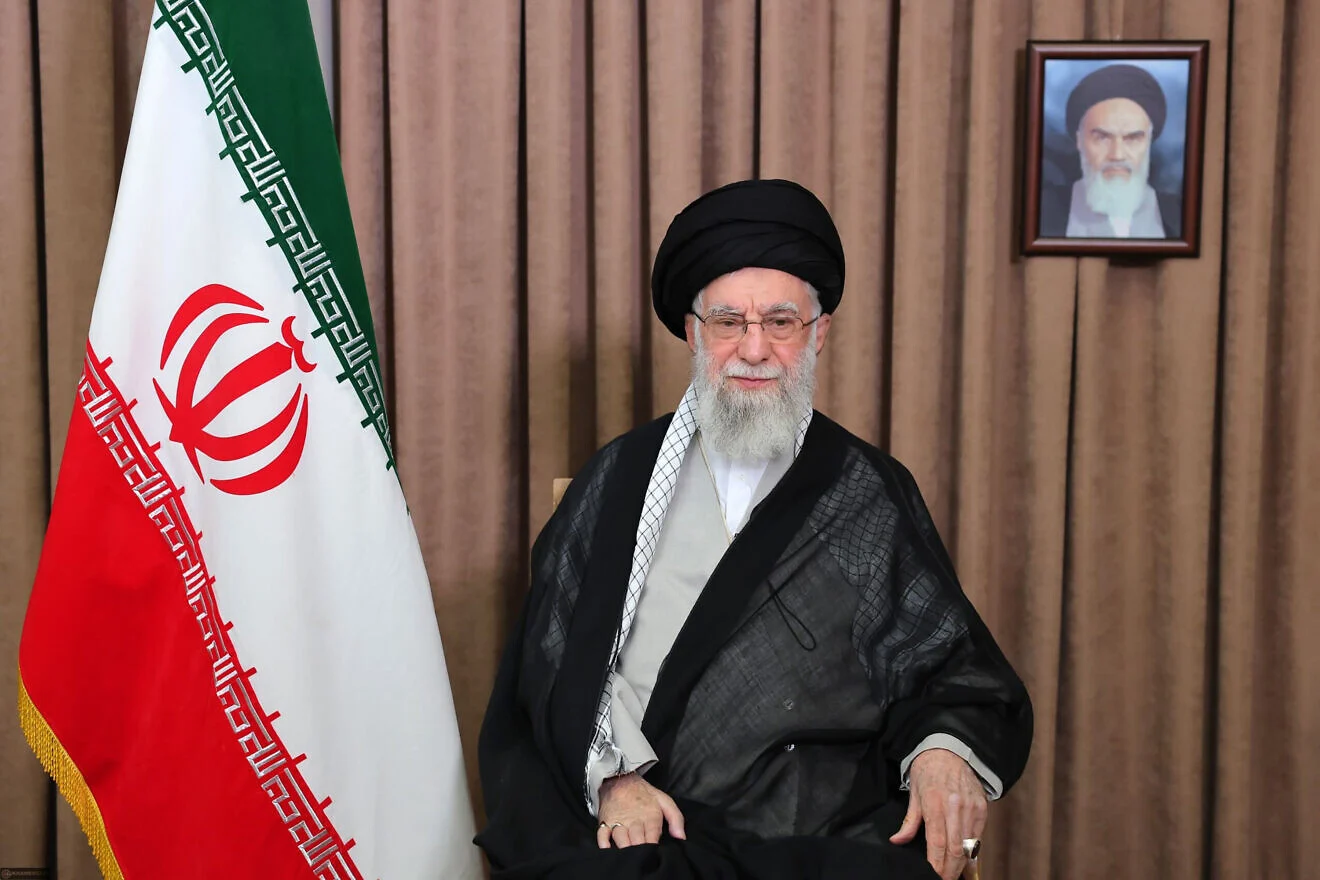
The strikes have added fuel to an already volatile situation in the Middle East, with fears of escalation growing steadily. In a show of continued resistance, a senior aide to Iran’s supreme leader, Ayatollah Ali Khamenei, insisted that Iran’s capabilities had not been neutralised. He stated that the nation still retains a significant quantity of enriched uranium and emphasized that “the game is not over,” suggesting that Iran’s nuclear efforts will persist regardless of foreign aggression.
Meanwhile, Israel confirmed that it carried out an additional bombing raid on the Fordo facility — a highly fortified underground complex situated south of Tehran — on Monday. According to the Israeli authorities, this operation specifically targeted access routes to the site in a bid to prevent any quick restoration of its functionality.
Tensions between Iran and its adversaries, particularly the United States and Israel, have reached a new high in the wake of these attacks. Yet Tehran appears resolute in its commitment to sustain its nuclear programme, portraying the strikes as a temporary setback rather than a crippling blow. Iranian officials are presenting a front of preparedness and control, stressing that their infrastructure is designed to withstand such interruptions and that their strategic direction remains unchanged.
While international responses to the strikes are still emerging, observers remain focused on whether Iran will take further retaliatory measures or seek diplomatic channels to address the confrontation. What is clear, however, is that the region is navigating one of its most precarious moments in recent years, with global stakeholders watching closely for the next move in this escalating conflict.
What you should know
Mohammad Eslami, the head of Iran’s Atomic Energy Organization, has assured that Iran’s nuclear operations remain on course despite attacks from the US and Israel. He said Iran had prepared for such contingencies, and an adviser to the Supreme Leader emphasized that enriched uranium reserves are intact, signaling the country’s determination to push forward.