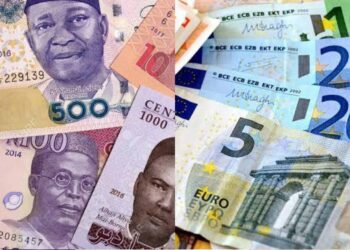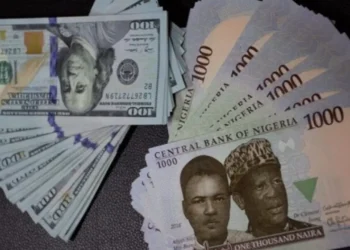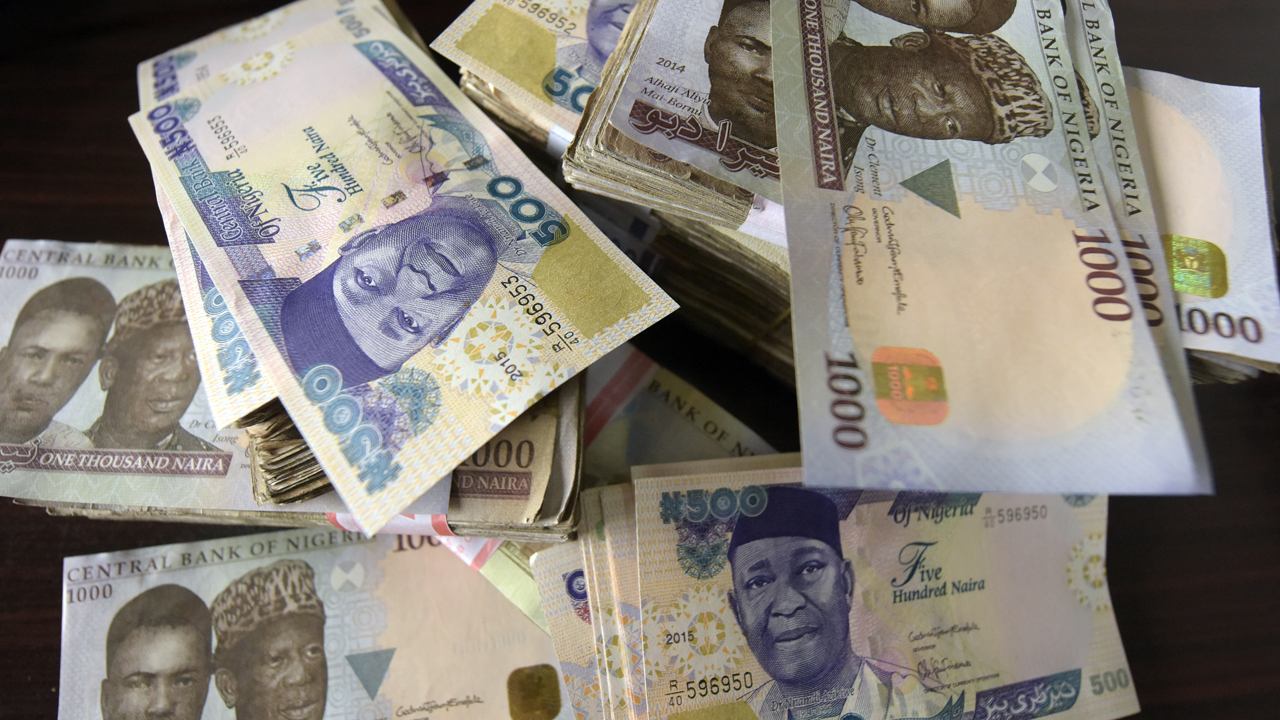
The Nigerian naira continued its downward trajectory on Tuesday, trading around N1,600 per dollar in the parallel market while depreciating to N1,550 per dollar in the official Nigerian Foreign Exchange Market (NFEM), according to Central Bank of Nigeria data.
The currency’s decline from N1,547 per dollar recorded last Friday reflects the broader challenges facing Nigeria’s oil-dependent economy as crude prices tumbled below the critical $70 per barrel threshold. This development has significant implications for Africa’s most populous nation, which relies heavily on petroleum exports for foreign exchange earnings and fiscal revenues.
Ceasefire Agreement Dampens Oil Markets
The naira’s weakness coincides with President Donald Trump’s announcement of a comprehensive ceasefire between Israel and Iran, potentially bringing an end to the prolonged conflict that has kept global energy markets on edge. The peace agreement, which Trump dubbed “THE 12 DAY WAR” in a Truth Social post, has provided relief to international markets but created headwinds for oil-producing nations like Nigeria.
“As long as everything goes according to plan, which it will, then I want to congratulate both countries, Israel and Iran, for having the stamina, courage, and intelligence to finish what ought to be dubbed the ‘THE 12 DAY WAR,'” Trump stated on his social media platform.
The ceasefire terms reportedly include conditions that Iran must refrain from further airstrikes on strategic zones, with White House officials indicating that Israel’s compliance depends on Iran maintaining peaceful conduct. An Iranian official has confirmed Tehran’s acceptance of the agreement, though the country’s foreign minister emphasized that any lasting peace requires an end to Israeli hostilities.
CBN Intervenes to Manage Liquidity
In response to mounting economic pressures, the Central Bank of Nigeria conducted an open market operation auction aimed at managing liquidity in the monetary system. The apex bank offered instruments across 155-day and 204-day tenors, attracting substantial investor interest with total subscriptions reaching N1.14 trillion.
The CBN ultimately allocated N1.07 trillion at stop rates of 24.2% and 24.6%, reflecting the institution’s aggressive monetary stance in combating inflationary pressures while supporting the struggling naira.
Global Market Dynamics
The resolution of Middle Eastern tensions has had ripple effects across global financial markets. The US Dollar Index declined to 98.25 following Trump’s ceasefire announcement, while investors are closely monitoring Federal Reserve Chair Jerome Powell’s upcoming semiannual testimony and Tuesday’s Consumer Confidence report.
Recent dovish comments from Federal Reserve officials have contributed to dollar weakness, with market participants reassessing the trajectory of US interest rates. Fed member Christopher Waller has suggested potential rate cuts by the end of July, though CME’s FedWatch tool indicates most analysts expect the central bank to delay action until September’s meeting on July 29-30.
Regional Implications
The ceasefire agreement was facilitated through diplomatic efforts involving Qatar’s Prime Minister Sheikh Mohammed bin Abdulrahman Al Thani, who secured Tehran’s agreement during negotiations. Vice President JD Vance, Secretary of State Marco Rubio, and US Middle East special envoy Witkoff reportedly maintained direct or indirect contact with Iranian officials throughout the process.
The conflict had escalated over the weekend when Israel, with US support, launched strikes targeting Iran’s nuclear infrastructure amid allegations that Tehran was approaching nuclear weapons capability. Iran has consistently denied maintaining an active nuclear weapons program, though Supreme Leader Ali Khamenei previously stated that if his country ever pursued such capabilities, “we wouldn’t be able to stop ourselves.”
Economic Outlook
For Nigeria, the combination of lower oil prices and reduced geopolitical risk premiums presents a challenging economic environment. As the continent’s leading oil producer, the country’s fiscal health and currency stability remain intrinsically linked to global energy market dynamics.
The naira’s continued depreciation underscores the vulnerability of commodity-dependent economies to shifts in global market sentiment, even when those shifts represent positive developments for international stability. Nigerian policymakers will likely need to intensify efforts to diversify the economy and reduce dependence on oil revenues to insulate the currency from future external shocks.
Market participants will be closely watching upcoming economic indicators and central bank policy decisions as Nigeria navigates this complex intersection of domestic monetary policy and international geopolitical developments.
WHAT YOU SHOULD KNOW
The Nigerian naira has weakened significantly to N1,550/$ following President Trump’s successful brokering of an Israel-Iran ceasefire, which caused oil prices to drop below $70 per barrel. This demonstrates Nigeria’s critical vulnerability as an oil-dependent economy—even positive global developments like peace agreements can hurt the country’s currency and fiscal health when they reduce demand for crude oil.
The situation underscores the urgent need for Nigeria to diversify its economy beyond oil exports, as the country’s financial stability remains dangerously tied to volatile global energy markets and geopolitical events beyond its control.