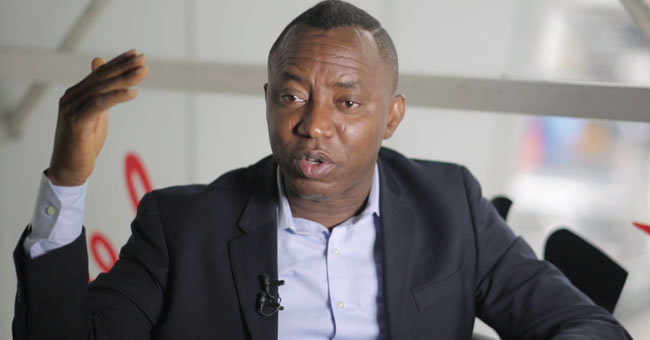
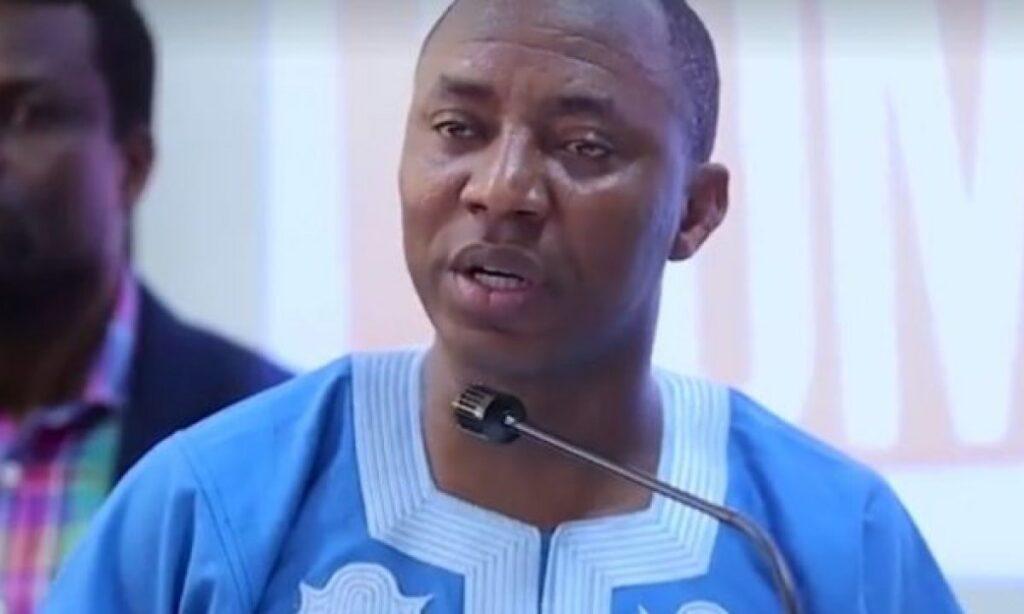
Human rights advocate and politician Omoyele Sowore has asserted that the vast majority of Nigeria’s federal legislators and elected office holders would not retain their positions if elections were conducted with full transparency.
Sowore made the statement while addressing the ongoing debate surrounding amendments to the Electoral Act, particularly the provisions dealing with the electronic transmission of election results.
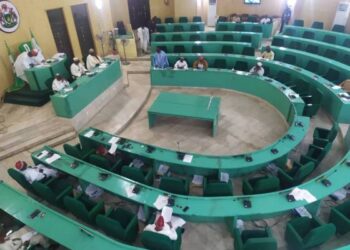
On Tuesday, the Senate approved changes to the Electoral Act that allow for the electronic transmission of results—a reform widely demanded by many Nigerians. However, lawmakers maintained a clause that permits manual collation in locations where internet access is unavailable, a provision that has sparked criticism from several quarters.
During an appearance on Channels Television’s The Morning Brief on Wednesday, Sowore argued that many lawmakers are unwilling to support stronger electoral safeguards because they fear the consequences of genuinely transparent polls.
According to him, claims that weak network coverage necessitates manual result collation are unfounded and serve as a convenient justification.
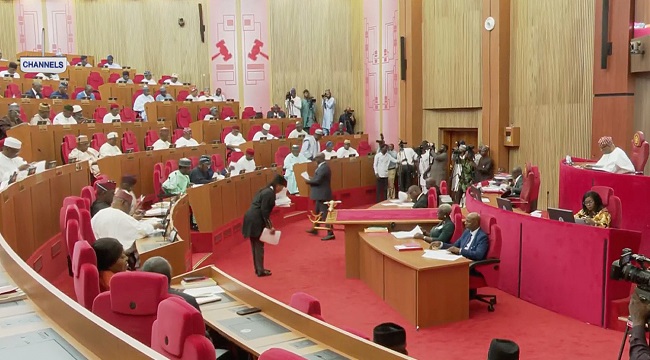
“This excuse that there is no network in some states is just another balloon air on the part of these guys. They don’t want transparent elections because if elections are transparent, 90 per cent of them will not make it to the National Assembly—and of course the presidency and other elected positions, they know that,” Sowore said.
The former presidential candidate of the African Action Congress (AAC) characterised the Senate’s decision to retain manual collation as “clever by half.”
He maintained that the clause was intentionally embedded to preserve what he described as the “hardcoded way of reporting elections,” a system he believes has undermined confidence in Nigeria’s democratic process.
‘Adopt electronic voting’
Sowore went further to criticise the Independent National Electoral Commission’s (INEC) IREV portal, describing it as outdated and insufficient for modern electoral demands. He advocated for a more comprehensive digital voting framework, pointing to India as an example.
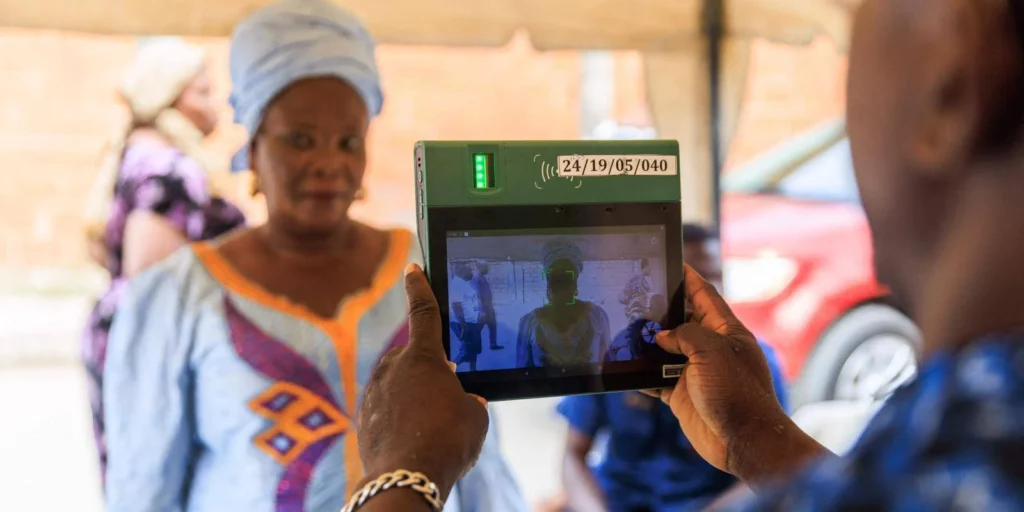
“I said it yesterday and I will repeat it again, I am not even a fan of all these old systems. By now, we should be doing what they are doing in India. India has 900 million registered voters and they use electronic voting as their own way of expressing the wishes of the people and those are almost foolproof.
“I don’t think you hear a lot of tribunal sittings in India after 900 million votes, and we have only 90 million here, we should be able to go for electronic voting,” he said.
He also raised concerns about the inconsistency between Nigeria’s embrace of digital services in other sectors and its hesitance to fully digitise elections. Sowore questioned why citizens can carry out secure online financial transactions but are not permitted to cast their ballots electronically from home.
The activist concluded that meaningful electoral reform requires bold decisions that prioritise public trust and technological innovation over political convenience.
What you should know
Omoyele Sowore has criticised the Senate’s retention of manual collation in the amended Electoral Act, arguing that most elected officials would lose office if elections were fully transparent.
He described network concerns as excuses and called for a shift toward full electronic voting, similar to India’s system.
While the Senate approved electronic transmission of results, the allowance for manual collation in cases of poor connectivity remains controversial, with critics insisting it could weaken transparency and public confidence in Nigeria’s electoral process.