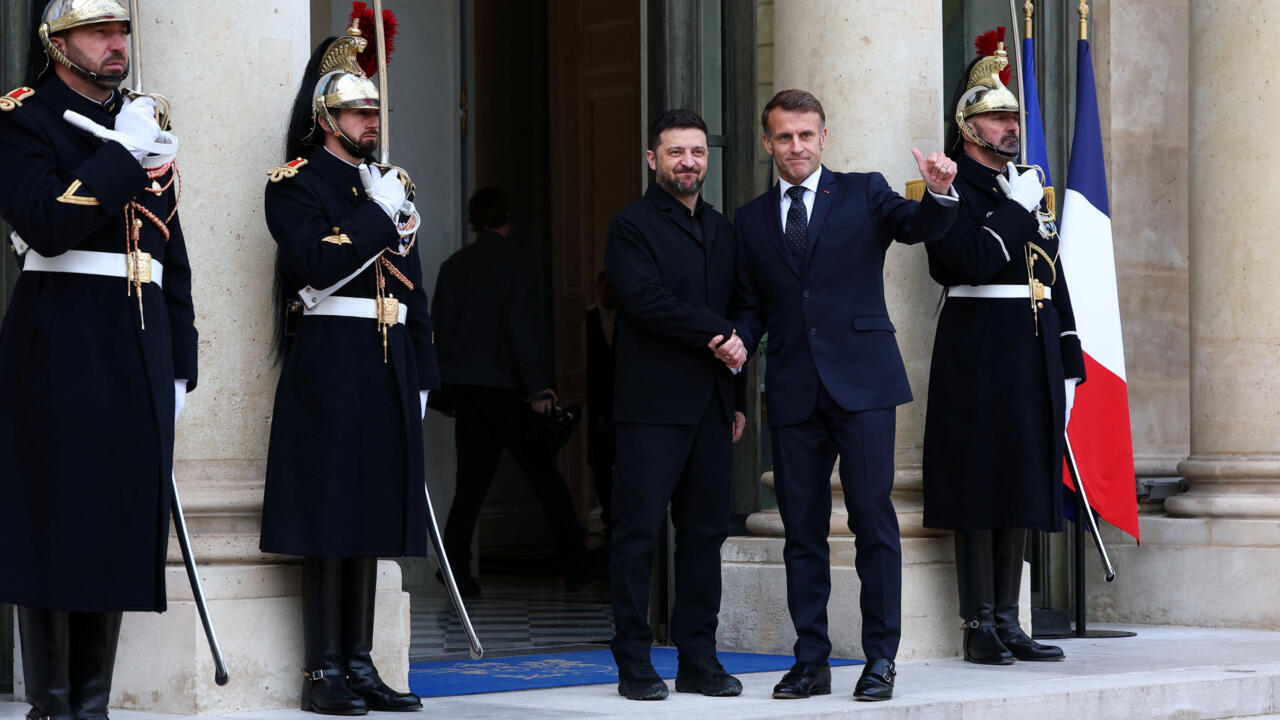
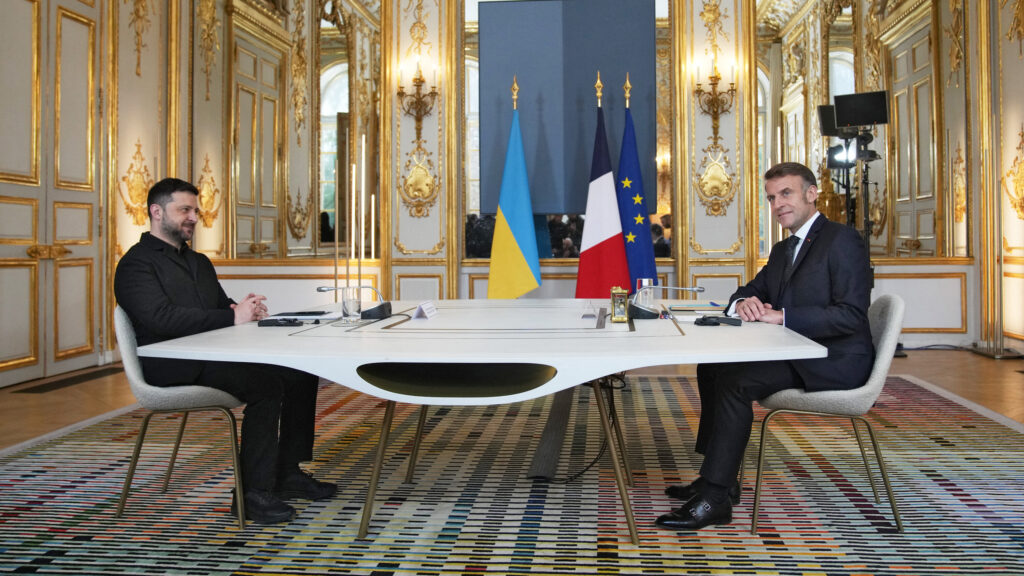
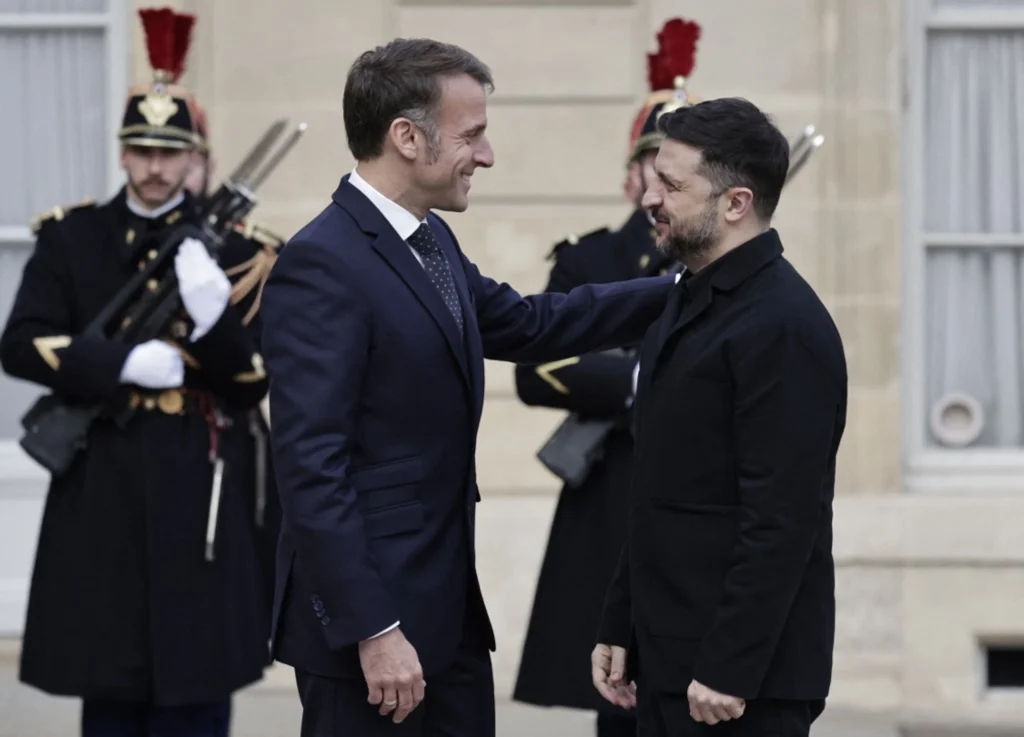
President Volodymyr Zelensky on Monday moved to strengthen European support for Ukraine at a potentially decisive stage in Kyiv’s resistance against the Russian invasion, meeting President Emmanuel Macron in Paris while Washington advanced a proposal aimed at ending the war.
Zelensky held discussions with Macron at the Elysee, as Ukraine evaluates its position on the plan promoted by US President Donald Trump, a proposal many European governments fear may concede too much to Russian demands.
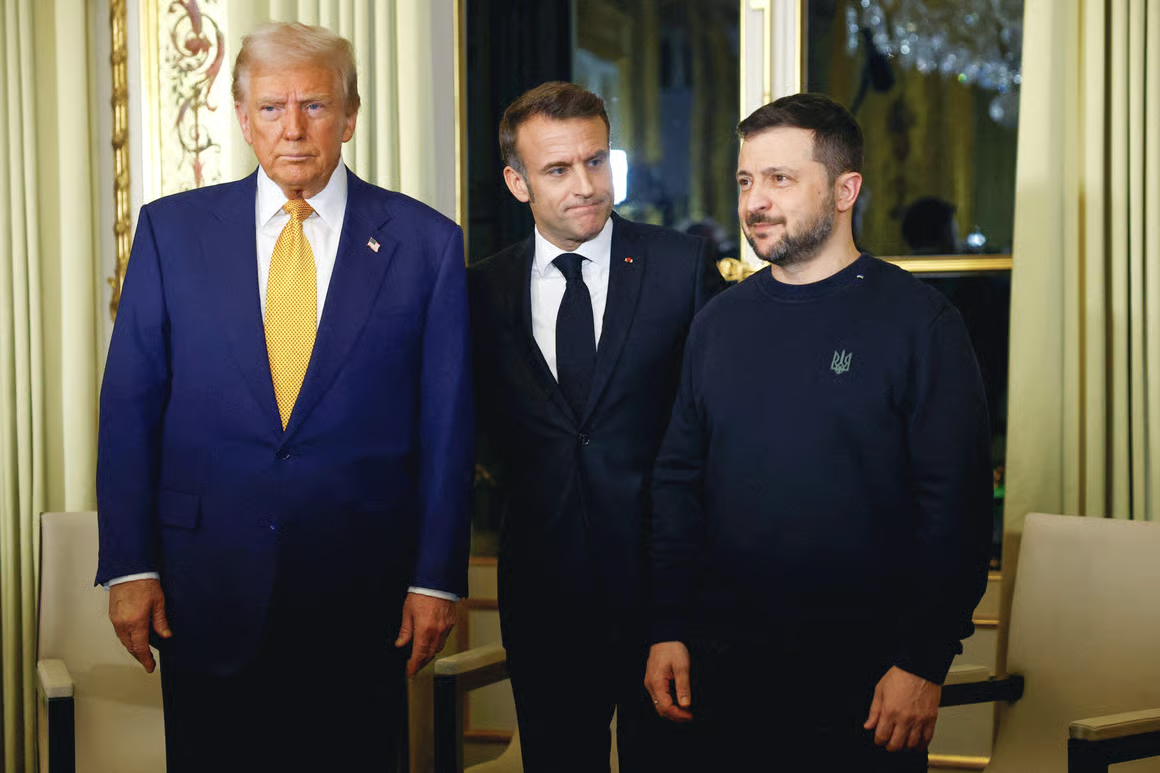
Tensions surrounding the situation have been heightened by a corruption scandal that shook Zelensky’s inner circle and led to the dismissal last week of his chief of staff and top negotiator, Andriy Yermak.
More than three and a half years into Russia’s full-scale invasion, Kyiv also faces military pressure as Russian forces continue to solidify gains on the battlefield.
US and Ukrainian officials engaged in what both sides described as “productive” negotiations in Florida on Sunday. Trump said aboard Air Force One that “there’s a good chance we can make a deal”.
“The work for peace continues,” Macron wrote in a short post on X after receiving Zelensky for talks, which were expected to conclude with a joint press conference at around 1500 GMT.
“There are some tough issues that still have to be worked through,” Zelensky wrote on social media earlier Monday after holding new phone discussions with Finland’s President Alexander Stubb, who maintains strong ties with both American and Ukrainian leaders.
Zelensky described the US discussions as “very constructive”, adding that decisions on Ukraine’s “further activities” would be made after the delegation’s full briefing upon return.
“It could be a pivotal week for diplomacy. We heard yesterday that the talks in America were difficult but productive,” EU foreign policy chief Kaja Kallas said during a gathering of EU defence ministers.
Washington initially suggested a 28-point framework to halt the fighting, drafted without European involvement and regarded as overly aligned with Russia’s broad demands regarding Ukrainian territory.
The proposal would have required Kyiv to withdraw from its eastern Donetsk region and would have seen the United States effectively acknowledge Donetsk, Crimea and Lugansk as Russian territory.
Following talks in Geneva a little over a week ago, the United States revised the initial plan after criticism from Kyiv and European capitals, though the current version has not been disclosed.
In an article for Britain’s Telegraph newspaper over the weekend, Ukraine’s former armed forces chief Valery Zaluzhny presented a stark assessment, warning that “we are in an extremely difficult situation, where a rushed peace will only lead to a devastating defeat and loss of independence”.
Zaluzhny, now serving as ambassador to London and regarded by some as a political competitor to Zelensky, argued that without a security guarantee, including NATO membership for Ukraine, the “war will probably continue” with Russia’s objective remaining “the abolition of Ukraine as an independent state.”
Trump’s envoy Steve Witkoff is scheduled to arrive in Moscow for additional discussions and is expected to address Ukraine-related matters with President Vladimir Putin on Tuesday.
US Secretary of State Marco Rubio told reporters that the Florida discussions were “very productive,” though he cautioned that “more work” remains.
“There are a lot of moving parts, and obviously there’s another party involved here that will have to be a part of the equation, and that will continue later this week when Mr Witkoff travels to Moscow,” he said.
The diplomatic momentum builds as the war, which has claimed tens of thousands of civilian and military lives and displaced millions, continues without any sign of relief.
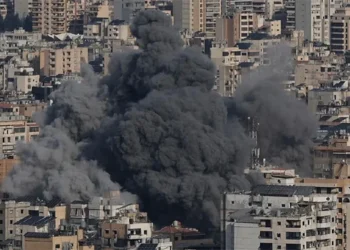
A Russian missile strike killed four people and injured nearly two dozen others on Monday in the central Ukrainian city of Dnipro, according to the region’s governor.
Local authorities released photos showing emergency responders working at the site, damaged vehicles, and buildings with shattered windows.
Zelensky is expected on Tuesday to embark on his first official visit to Ireland, which is not a NATO member but will assume the rotating EU presidency in the second half of 2026.
What you should know
Zelensky’s Paris visit underscores the growing urgency surrounding diplomatic efforts as Ukraine weighs a US-backed peace initiative that Europe views with caution.
With battlefield pressure intensifying and political instability emerging within Kyiv, the coming days could shape the trajectory of both negotiations and the wider conflict.