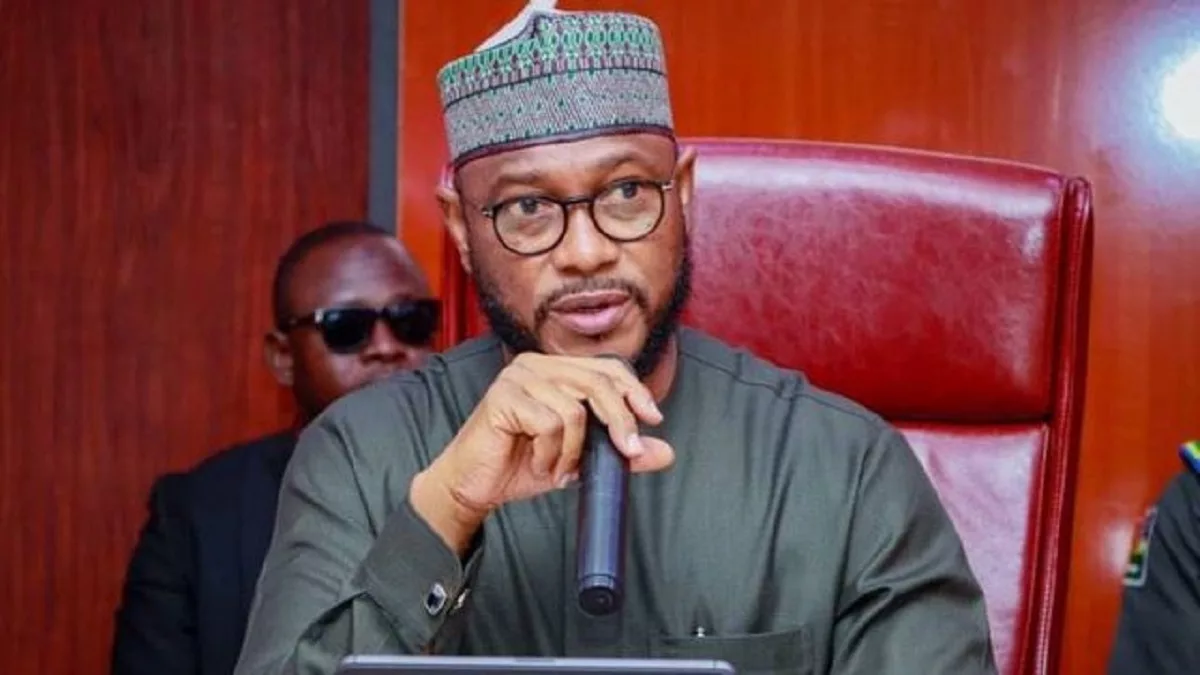
Governor Dauda Lawal has presented the State Development Plan (2025–2034), describing it as a long-term, data-driven framework designed to capture the aspirations of the people and chart a clear course toward transforming Zamfara State.
He made this known on Friday during the official launch of the 10-year roadmap at the J. B. Yakubu Secretariat in Gusau.
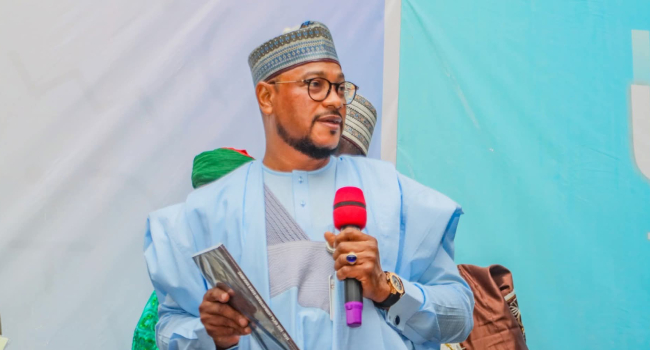
According to a statement issued by his spokesperson, Sulaiman Idris, the state government enlisted KPMG Advisory as the principal consultant to craft the plan. The statement added that KPMG worked extensively with members of the Zamfara Executive Council, traditional rulers, religious figures, and other relevant stakeholders over an eight-month period to produce the final document.
Governor Lawal emphasized that the newly launched development plan stands as the most comprehensive long-term strategy in the recent history of the state. He explained that the blueprint draws heavily on reliable data, broad engagement from stakeholders, and alignment with both national and international development models, including the Sustainable Development Goals (SDGs), Nigeria’s National Development Plan 2050, and the African Union Agenda 2063.
He stated that the plan clearly outlines sector-specific priorities, measurable expectations, and a transparent monitoring and evaluation mechanism to ensure accountability at all levels of implementation.
The governor highlighted that the vision behind the plan is to position Zamfara as a model of economic transformation not only within Nigeria but across Africa. “In this state development plan, we envision Zamfara becoming a benchmark for transformative economic growth– not merely for Nigeria, but the continent of Africa,” he was quoted as saying.
He noted that the strategy is anchored on six central pillars: the economy, infrastructure, social welfare, human capital, governance, and environmental sustainability. Lawal added that Zamfara’s rich agricultural base and abundance of natural resources will be fully utilized through partnerships such as the MoFI agreement and funding support from the African Development Bank. These initiatives, he said, are expected to advance mechanized agriculture, strengthen agro-processing, deepen value chains, create job opportunities, bolster food security, improve market access, and tackle insecurity fueled by poverty.
Governor Lawal further stated that Zamfara is now positioned for meaningful progress. “With the state development plan, we are not merely dreaming- we are preparing to deliver. We are redefining the fate of our state. We are rekindling hope for the young, dignity for the vulnerable, opportunity for the enterprising, and stability for all.”
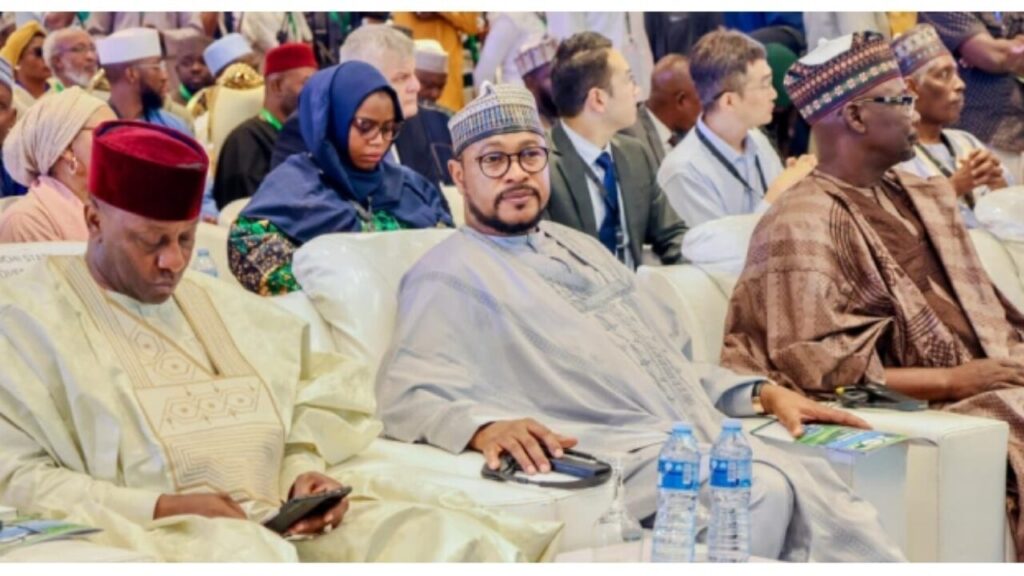
He expressed optimism that the launch of the plan would serve as a genuine milestone, rather than a political gesture. “Let the launch of the Zamfara State Development Plan 2025-2034 mark not a mere political ambition, but a turning point in the history of our state. Let it be said that when Zamfara was at its lowest, we rose not with rhetoric, but with resolve. Not with empty promises, but with purposeful plans. Not with despair, but with vision,” he stated.
Before the governor’s remarks, the Secretary to the State Government, Mallam Abubakar Nakwada; the Chief of Staff, Mukhtar Lugga; and the Commissioner for Budget and Planning, Abdulmalik Gajam, all delivered comments underscoring the importance of the initiative.
What You Should Know
The Zamfara State Development Plan (2025–2034) is a decade-long strategic roadmap built on extensive stakeholder engagement, data-driven analysis, and alignment with global and national developmental agendas.
Designed in collaboration with KPMG, the plan prioritizes economic expansion, infrastructure renewal, social welfare improvement, human capital growth, governance reform, and environmental sustainability.
Rooted in Zamfara’s strengths—especially agriculture and natural resources—the blueprint aims to foster inclusive growth, attract partnerships, create jobs, strengthen security, and establish the state as a model for economic transformation in Nigeria and beyond.