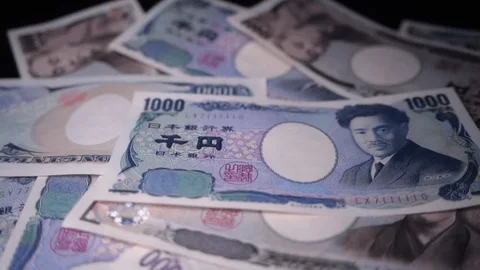
The Japanese yen surged to its strongest level in over two months on Monday, climbing as much as 1.5% against the dollar to reach 153.405, as currency markets braced for what could be the first coordinated intervention between Washington and Tokyo in nearly 14 years.
The dramatic move came after a weekend of escalating rhetoric from Japanese officials, with Prime Minister Sanae Takaichi pledging to take “necessary steps” against speculative trading. But what truly rattled traders was Friday’s revelation that the New York Federal Reserve had been checking dollar-yen exchange rates with dealers—a telltale sign that American authorities may be preparing to act alongside their Japanese counterparts.
“Clearly, if you’ve got both the MOF and the U.S. Treasury looking to limit the upside in dollar-yen, that’s going to be a more powerful driver,” said Dominic Bunning, head of G10 foreign exchange strategy at Nomura. The prospect of bilateral intervention sent investors scrambling to unwind short positions on the yen, propelling the currency more than 3% higher from Friday’s lows.
The potential collaboration marks a significant shift in U.S. currency policy. Washington has not participated in a coordinated yen intervention since March 2011, when it joined efforts to sell yen following the catastrophic Fukushima earthquake and tsunami.
The yen’s vulnerability stems partly from Japan’s staggering debt burden, which exceeds twice the nation’s annual economic output. Recent market interest rate increases have intensified concerns about Tokyo’s ability to service this obligation. Yet even as these worries mount, Prime Minister Takaichi has promised tax cuts while campaigning ahead of a snap election scheduled for February 8—a move that could further strain public finances.
Meanwhile, the broader dollar weakness has rippled across currency markets. The dollar index, measuring the greenback against six major currencies, slid 0.1% to a four-month low of 97.16. The euro climbed to $1.1848, sterling reached $1.3669, and the Australian dollar touched $0.6925—its highest level since September 2024.
“The dollar has been fragile anyway, but the gain in the yen has been the precipitating trigger for the market to sell it across the board,” explained Marc Chandler, chief market strategist at Bannockburn Capital Markets.
Adding to the volatility, President Donald Trump announced last Thursday that he would soon name a successor to Federal Reserve Chair Jerome Powell. Betting markets now favor BlackRock executive Rick Rieder, with a 48% probability, according to Polymarket. The Fed is scheduled to announce its interest rate decision on Wednesday, with no changes expected but approximately 50 basis points of easing priced in for the year.
Domestic unrest is also weighing on investor sentiment, with protests erupting over a recent shooting in Minnesota. Credit Agricole strategist David Forrester suggested these factors reflect “something larger at play,” noting that Trump’s unpredictable policymaking—including threats of 100% tariffs on Canadian exports if Ottawa signs a trade deal with China—is diminishing the appeal of dollar-denominated assets.
In a sign of deepening financial anxiety, precious metals soared to record levels, with gold surpassing $5,100 per ounce and silver also reaching new highs.
Japanese Finance Minister Satsuki Katayama declined to comment on the Fed’s rate checks, while currency diplomat Atsushi Mimura emphasized that Tokyo would maintain “close coordination” with Washington on foreign exchange matters and “act appropriately.” However, Bank of Japan money market data released Monday suggested Friday’s yen spike was unlikely the result of official Japanese intervention—at least not yet.
WHAT YOU SHOULD KNOW
The yen’s sharp rally signals a potential seismic shift in currency markets: the U.S. and Japan may be preparing their first coordinated intervention in 14 years to weaken the dollar. What makes this critical is that bilateral action would carry far more force than Japan acting alone.
Combined with Trump’s unpredictable Fed chair pick, tariff threats, and domestic turmoil, dollar weakness is spreading across all major currencies while gold hits record highs above $5,100. For investors, the message is clear—the era of dollar dominance may be facing its most serious challenge in years, driven by both deliberate policy coordination and mounting political uncertainty in Washington.