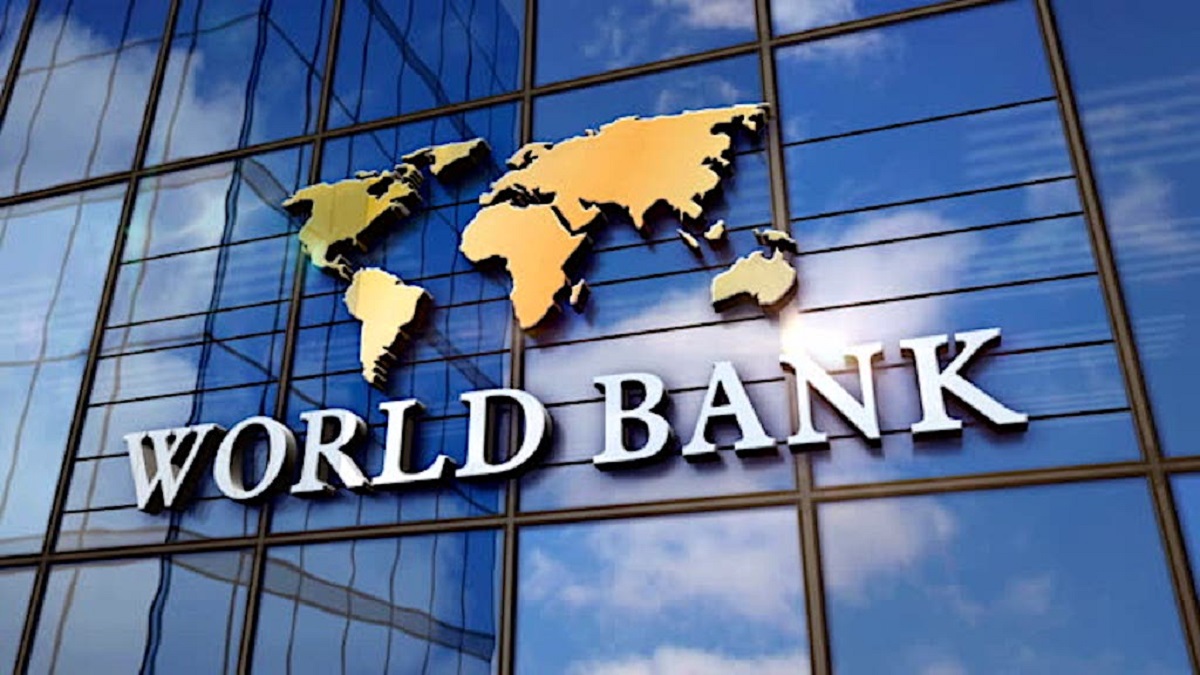
The World Bank has granted approval for $300 million in financing to enhance resilience and broaden access to essential services for Internally Displaced Persons and the communities hosting them in Northern Nigeria.
In a statement issued on Monday, the World Bank’s Nigeria office explained that the approval, given on August 7, 2025, will fund the Solutions for the Internally Displaced and Host Communities Project, which will focus on selected local government areas most severely affected by displacement caused by conflict.
The Bank noted that the initiative is expected to directly benefit as many as 7.4 million people, including about 1.3 million displaced individuals, through an integrated development strategy that aligns with the country’s broader, long-term growth objectives. The statement emphasised that the project will improve access to essential services and economic opportunities for both displaced people and host communities, enabling them to work towards self-reliance and stronger resilience.
Ongoing insecurity in Northern Nigeria has forced over 3.5 million people from their homes, placing immense pressure on already limited infrastructure and services in the communities that have taken them in. This influx has also heightened competition for resources, restricted livelihood opportunities, and increased exposure to environmental hazards such as flooding, while local authorities continue to face challenges in meeting the needs of both residents and newcomers.
The Bank stated that the project will build upon existing government programmes, prior international efforts, and the earlier World Bank-backed Multi-Sectoral Crisis Recovery Project, which primarily addressed short-term recovery needs. The new initiative will prioritise the creation and maintenance of infrastructure resilient to climate change, foster social cohesion through community-led planning and cooperative initiatives, strengthen livelihoods to create economic opportunities for both groups, and enhance the capacity of institutions to cope with the demographic pressures caused by displacement.
World Bank Country Director for Nigeria, Mathew Verghis, said the organisation was pleased to support an approach that offers sustainable solutions to the long-standing displacement crisis, adding that its design is consistent with the National IDP Policy and the Federal Government’s vision to help affected communities progress from dependency on aid to long-term economic stability.
The Bank explained that the project will be delivered through a coordinated, community-driven strategy involving all levels of government and with the active participation of international partners. According to Task Team Leaders Fuad Malkawi and Christopher Johnson, the programme will address persistent service delivery gaps and support economic recovery in areas already under severe strain, helping both displaced people and hosts achieve lasting economic outcomes while moving the region from emergency response to stability, resilience, and inclusive development.
Data from the Debt Management Office reveals that Nigeria’s total debt to the World Bank increased to $18.23 billion as of March 31, 2025. This marks a $420 million rise in just three months from the $17.81 billion recorded in December 2024. Borrowings from the International Development Association grew from $16.56 billion to $16.99 billion during the period, while the amount owed to the International Bank for Reconstruction and Development remained at $1.24 billion.
The figures show that the World Bank now accounts for 39.7 percent of Nigeria’s total external debt stock of $45.98 billion, slightly higher than the 38.9 percent recorded at the end of 2024 and up from 36.4 percent in 2023. The institution’s share of Nigeria’s total multilateral debt also rose to 81.2 percent in the first quarter of 2025, compared to 79.8 percent at the end of 2024, underscoring its critical role in the country’s financing structure.
What you should know
The $300 million World Bank funding will target local government areas in Northern Nigeria most severely affected by displacement caused by conflict.
The project aims to strengthen infrastructure, create economic opportunities, and promote social cohesion, helping displaced people and their host communities transition from aid dependency to self-reliance.
It builds on previous recovery efforts and will be implemented in partnership with all levels of government and international stakeholders.
Nigeria’s growing debt to the World Bank also highlights the institution’s central role in the nation’s external financing, with its loans now making up over a third of Nigeria’s total external debt and more than four-fifths of its multilateral debt.