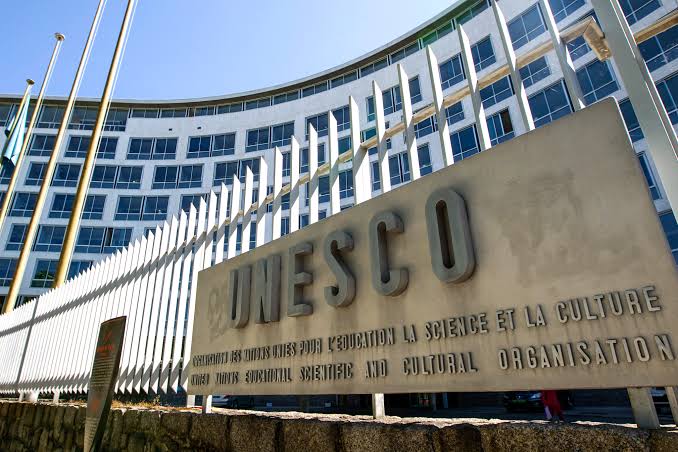
The United States has officially withdrawn from the United Nations Educational, Scientific and Cultural Organization (UNESCO), accusing the body of promoting policies that run counter to American interests.
The announcement, made on Tuesday, marks the second time in history that Washington has cut ties with the agency, this time citing its alleged bias against Israel and its focus on what the US government calls a “globalist, ideological agenda.”
In a statement issued by the State Department, spokeswoman Tammy Bruce declared, “Continued involvement in UNESCO is not in the national interest of the United States.” She criticized the agency for advancing “divisive social and cultural causes” and for placing too much emphasis on the United Nations’ sustainability goals, which she described as being part of a broader ideological movement that the US opposes.
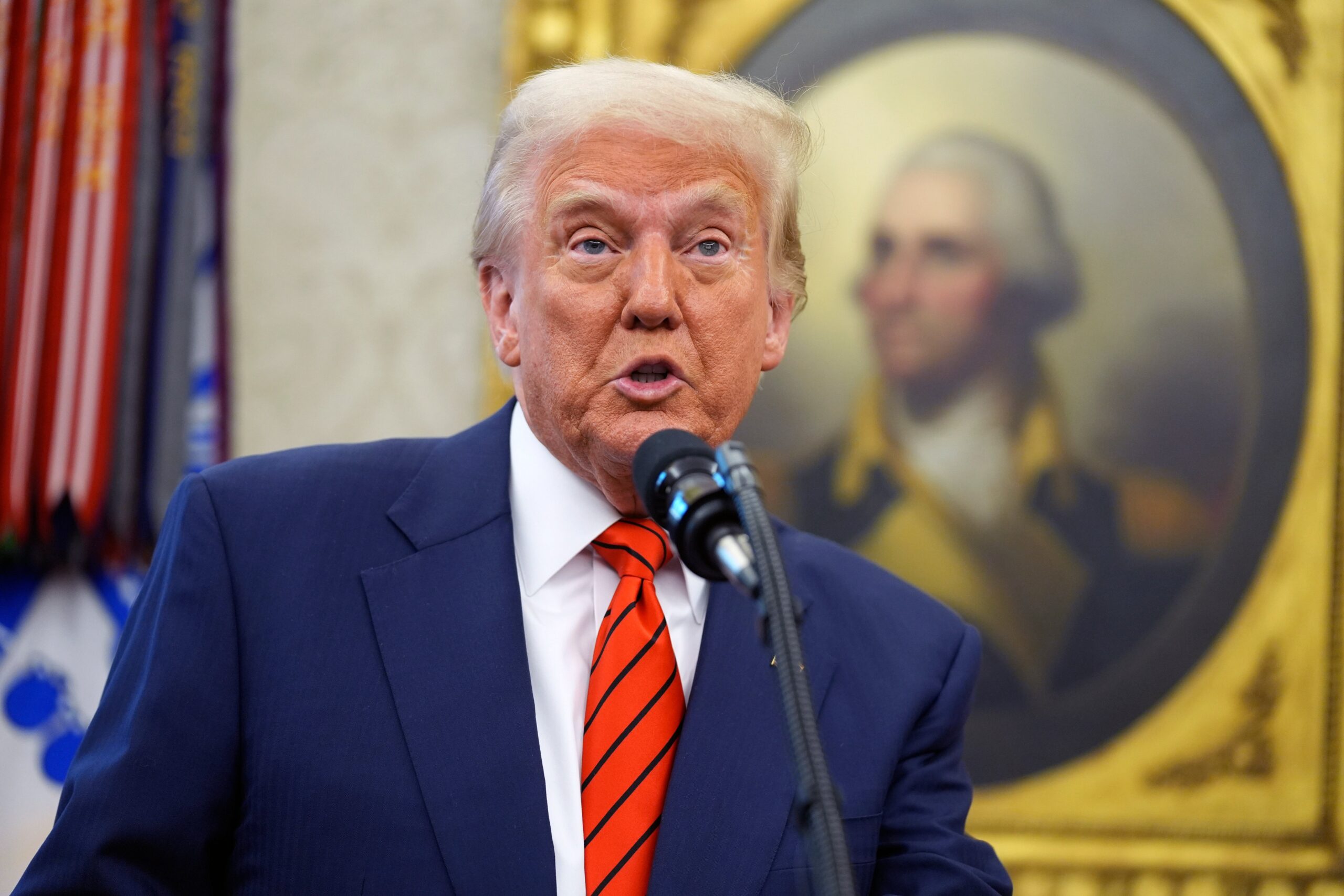
The withdrawal comes as no surprise under the administration of President Donald Trump, who had already initiated the process during his first term in 2017. Though the US rejoined the agency under President Joe Biden’s administration, Trump’s return to office appears to have revived his earlier stance.
Bruce also took aim at UNESCO’s controversial 2011 decision to admit Palestine as a member state, calling the move “highly problematic” and “contrary to US policy.” She argued that the decision contributed to a rise in what she described as anti-Israel rhetoric within the organization.
“UNESCO’s decision to admit the ‘State of Palestine’ as a member state is highly problematic, contrary to US policy, and contributed to the proliferation of anti-Israel rhetoric within the organization,” she stated.
UNESCO, for its part, continues to define its mission as one that promotes education, scientific collaboration, and cultural understanding. The organization is perhaps best known for its World Heritage program, which maintains a list of sites of outstanding global significance. These include natural and historical treasures such as the Great Barrier Reef in Australia, the Serengeti National Park in Tanzania, the Pyramids of Egypt, and the Acropolis of Athens.
This latest withdrawal echoes a similar move made in the 1980s, when President Ronald Reagan led the US out of UNESCO, accusing it of corruption and harboring pro-Soviet leanings. The country only returned to the organization years later under the administration of President George W. Bush.
The decision to leave UNESCO again marks a continuation of longstanding tensions between the US and the agency, particularly over Middle East policy and the role of international institutions in shaping global cultural and educational agendas.
What You Should Know
The US has once again severed ties with UNESCO, primarily over concerns of anti-Israel bias and what it views as a promotion of divisive, globalist ideals.
This is not the first time America has left the agency—President Reagan withdrew in the 1980s, and Trump began the exit process during his first term. UNESCO is globally recognized for protecting iconic heritage sites and fostering cross-cultural and scientific collaboration.