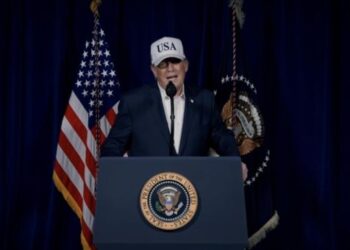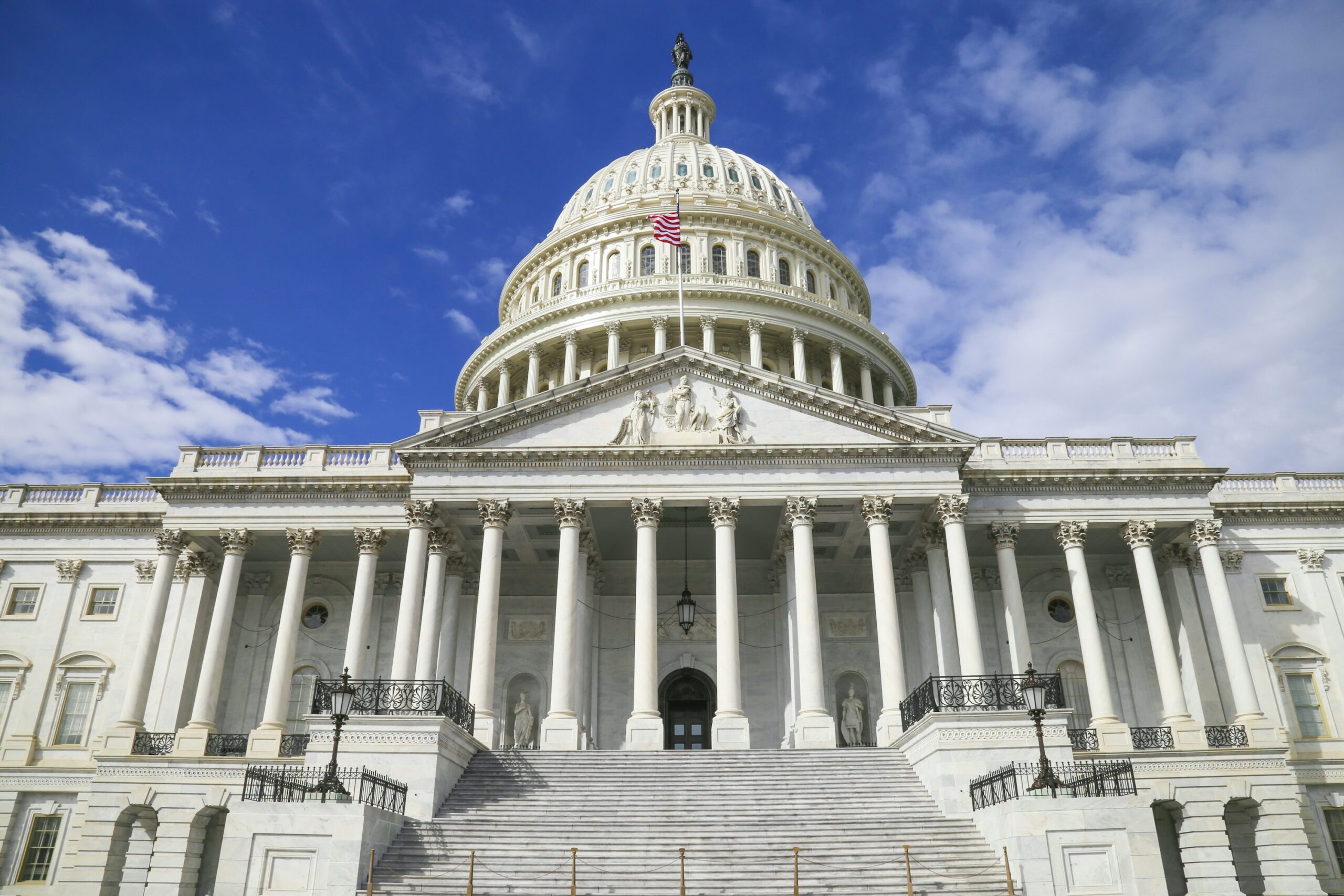
A shutdown of the United States federal government appeared all but certain on Thursday after Senate Democrats stopped a crucial procedural vote needed to keep government agencies funded, intensifying a confrontation with the White House over President Donald Trump’s strict immigration policies following the deadly shooting of two demonstrators.
The blocked vote effectively froze a six-measure spending proposal designed to finance more than 75 percent of federal operations, placing the country on course for a partial government closure beginning just after midnight on Saturday.
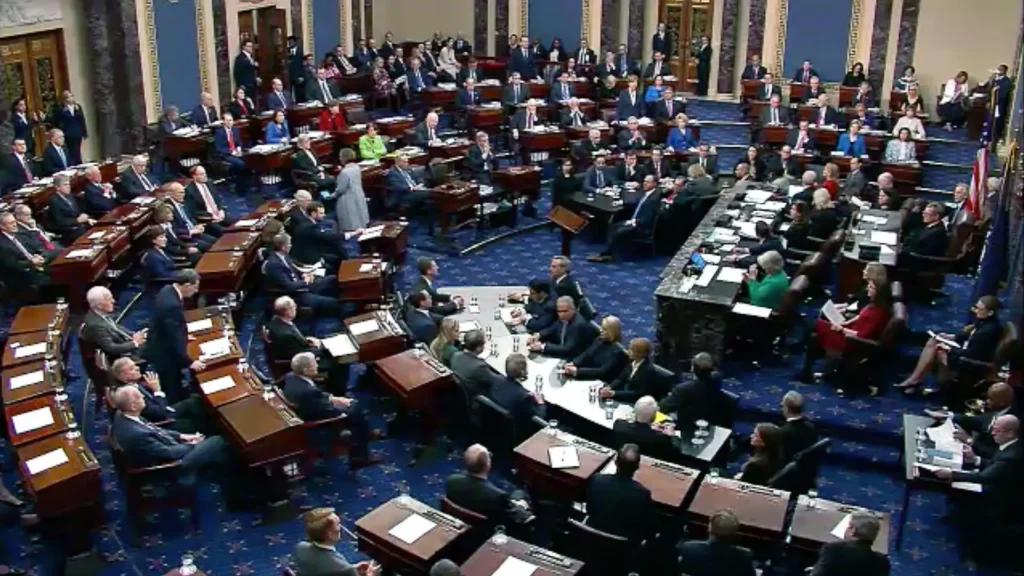
Although senators were expected to attempt another vote on a modified version of the package, even approval in the Senate would not immediately avert a shutdown, as the House of Representatives is not scheduled to return from recess until Monday, more than 48 hours after the Friday night funding deadline.
Congressional procedure requires that both chambers pass the exact same legislative text before any funding bill can be enacted into law, leaving little room for last-minute maneuvering.
If triggered, the shutdown would mark the second interruption of government operations since Trump assumed office one year ago. While lawmakers initially hoped any stoppage would be brief and confined to the weekend, memories remain fresh of last summer’s unprecedented 43-day shutdown, the longest in US history.
Democratic lawmakers had made clear they would block the six-bill funding package unless money allocated to the Department of Homeland Security was removed and renegotiated, with the aim of imposing stricter limits on Immigration and Customs Enforcement, currently the most generously funded federal law enforcement body.
“What ICE is doing is state-sanctioned thuggery, and it must stop. And Congress has the authority—and the moral obligation—to act,” Senate Democratic Minority Leader Chuck Schumer said.
Schumer later revealed that the White House had agreed to a short-term framework meant to address Democratic concerns surrounding the DHS funding bill, although American media outlets reported that a vote on the compromise had been postponed until Friday.

President Trump appealed to legislators from both parties to support the plan, urging a “very much needed Bipartisan ‘YES’ Vote” in a social media message backing the agreement.
Should the shutdown extend beyond a brief window, hundreds of thousands of federal workers could be furloughed or compelled to continue working without pay, with ripple effects expected to disrupt the broader economy far beyond the capital.
The political clash has been inflamed by widespread anger over immigration enforcement tactics, an issue carrying heightened significance in a midterm election year when every seat in the House of Representatives and approximately one-third of the Senate are up for reelection.
Tensions escalated sharply after events in Minneapolis last Saturday, where Alex Pretti, an intensive care unit nurse who had been observing and documenting a deportation operation under Trump’s administration, was shot and killed by federal border agents.
The incident followed closely on the heels of another fatal shooting, in which activist Renee Good was killed by immigration officers just a few blocks away weeks earlier.
Those deaths shattered what many lawmakers believed was a fragile bipartisan agreement on government funding, shifting congressional focus squarely onto the conduct of immigration officers operating under the president’s crackdown.
Democrats insist they are ready to pass the remaining five appropriations bills without delay, funding departments responsible for defense, healthcare, education, transportation, and financial services.
However, they continue to push for a rewritten DHS funding bill that would halt roaming ICE patrols, strengthen warrant rules, introduce a uniform use-of-force policy, prohibit officers from wearing masks, require body cameras, and ensure clear identification is visible at all times.
None of these provisions are included in the White House-backed framework, which instead grants Congress a two-week window to revise the Homeland Security funding legislation before that department itself risks a separate shutdown.
Lawmakers across party lines have cautioned that any interruption in DHS funding could pose serious risks for agencies like the Federal Emergency Management Agency, particularly as severe winter conditions continue to affect large parts of the country.
What you should know
The looming US government shutdown stems from a clash over immigration enforcement rather than overall spending levels.
Senate Democrats are blocking funding unless stricter controls are placed on ICE following the fatal shootings of two protesters during deportation operations. While a temporary White House compromise exists, it delays real changes and risks a partial shutdown before Congress can act.
If unresolved, the standoff could furlough federal workers, disrupt emergency services, and escalate political tensions in a critical midterm election year where immigration policy remains a defining issue.