The United States government has officially resumed the processing of student visa applications for foreigners after a temporary suspension, but with a significant update, all applicants will now be required to submit their social media accounts for scrutiny.
The move is part of a broader initiative aimed at enhancing national security through tighter screening and vetting processes.
According to a statement from the U.S. Department of State, all applicants seeking F (academic student), M (vocational student), or J (exchange visitor) nonimmigrant visas must now adjust the privacy settings on all their social media accounts to “public” as part of their application requirements. This new directive is expected to help authorities gain better insight into the online behavior and affiliations of potential entrants.
The department emphasized that obtaining a U.S. visa is not a right but a privilege, and that comprehensive background checks—including an evaluation of social media activity—are necessary to prevent individuals who may pose a threat to national security from entering the country.
“We use all available information in our visa screening and vetting to identify visa applicants who are inadmissible to the United States, including those who pose a threat to U.S. national security,” a spokesperson for the department stated.
The department further explained that under the updated policy, all student and exchange visitor visa applicants will undergo an intensive review of their digital footprint. This review, which includes online presence and behavior, will be a standard part of the adjudication process going forward.
To accommodate the new screening process, foreign missions are expected to resume scheduling appointments for F, M, and J visa categories soon. However, applicants are advised to check with the specific U.S. embassy or consulate where they intend to apply, as appointment availability may vary by location.
The statement from the State Department reaffirmed the United States’ commitment to safeguarding its borders and citizens through “the highest standards of national security and public safety” in all visa processes. “Every visa adjudication is a national security decision,” the department declared.
It also emphasized the importance of applicants proving their eligibility beyond just paperwork, requiring that all applicants convincingly demonstrate their intent to participate in academic or exchange programs in accordance with U.S. immigration rules.
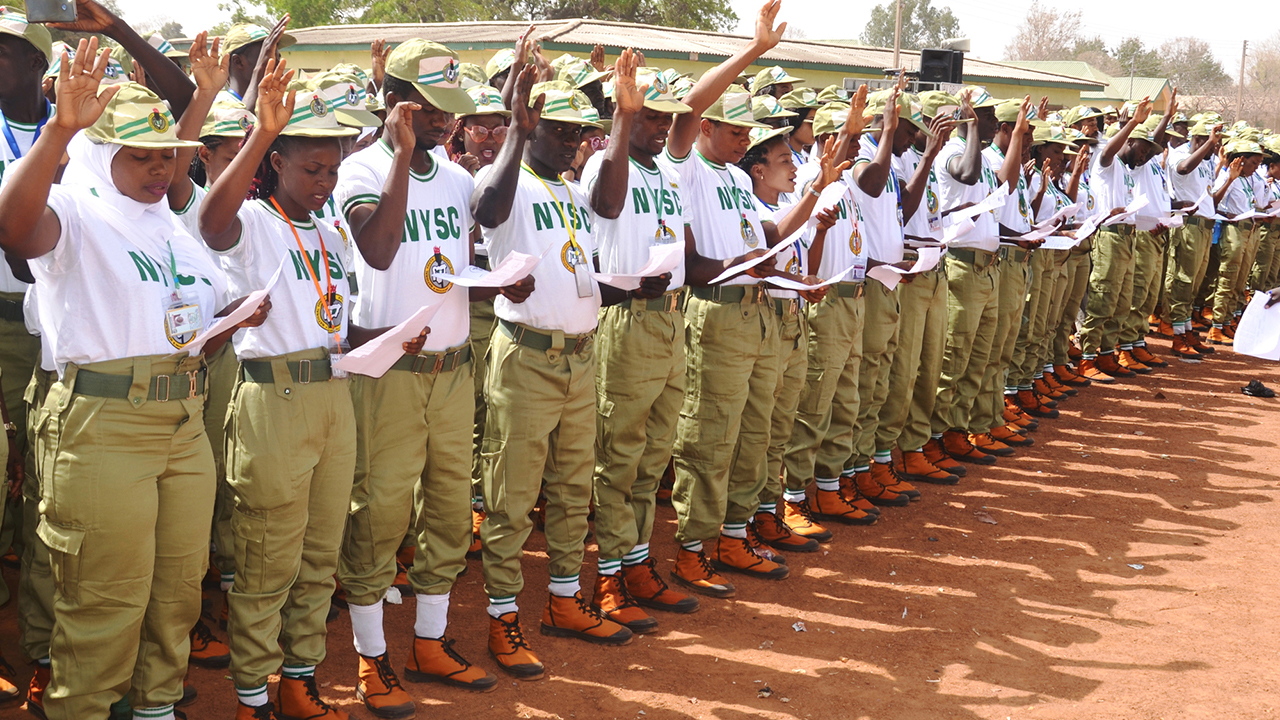
This development is expected to impact thousands of prospective international students globally, including Nigeria, which currently sends the highest number of students to the U.S. from Africa. With nearly 20,000 Nigerian students enrolled in American institutions, the country ranks 17th worldwide in terms of international student representation in the United States.
The latest requirements reflect a significant shift in how the U.S. government balances the need for international educational exchange with concerns over national security in a digital age. Applicants who fail to comply with the new transparency rules regarding their online activity may face delays or rejections in their visa processing.
What You Should Know
The U.S. has resumed processing student visas after a brief pause but now mandates that applicants make their social media accounts public for vetting. This is part of broader national security measures.
Nigeria remains Africa’s leading source of U.S.-bound students, with approximately 20,000 Nigerians currently enrolled in American institutions.