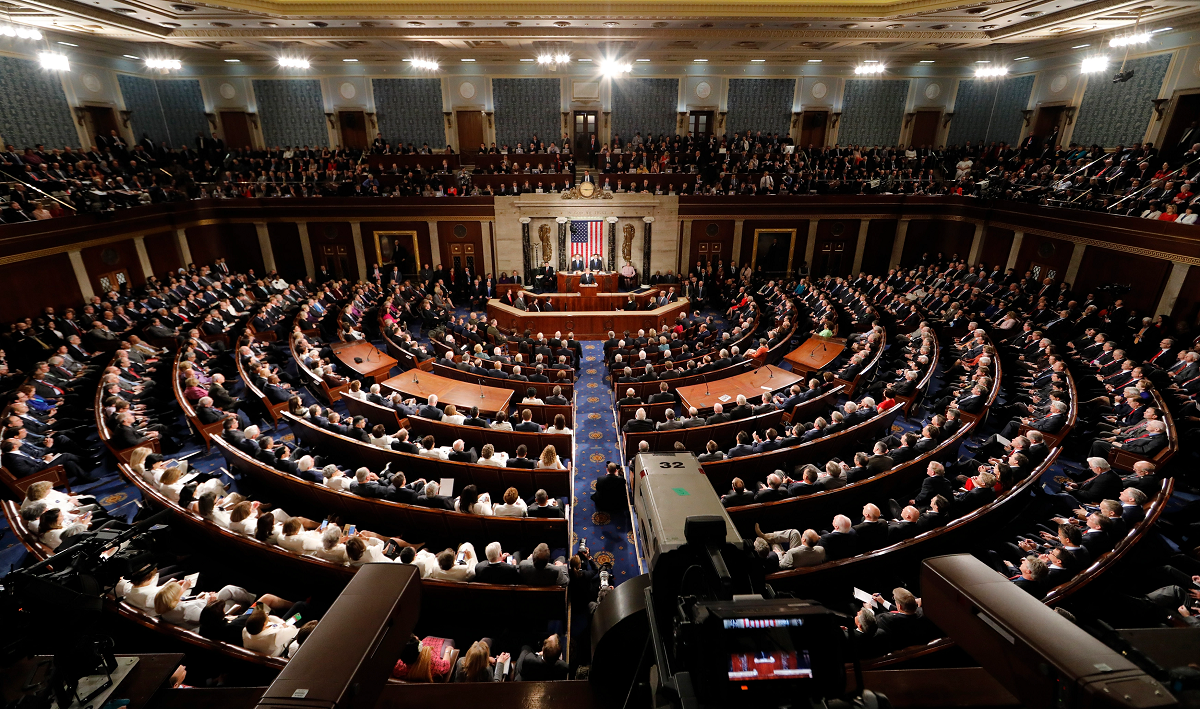
US legislators have criticised the Nigerian government for failing to curb escalating violence and persistent killings across the country.
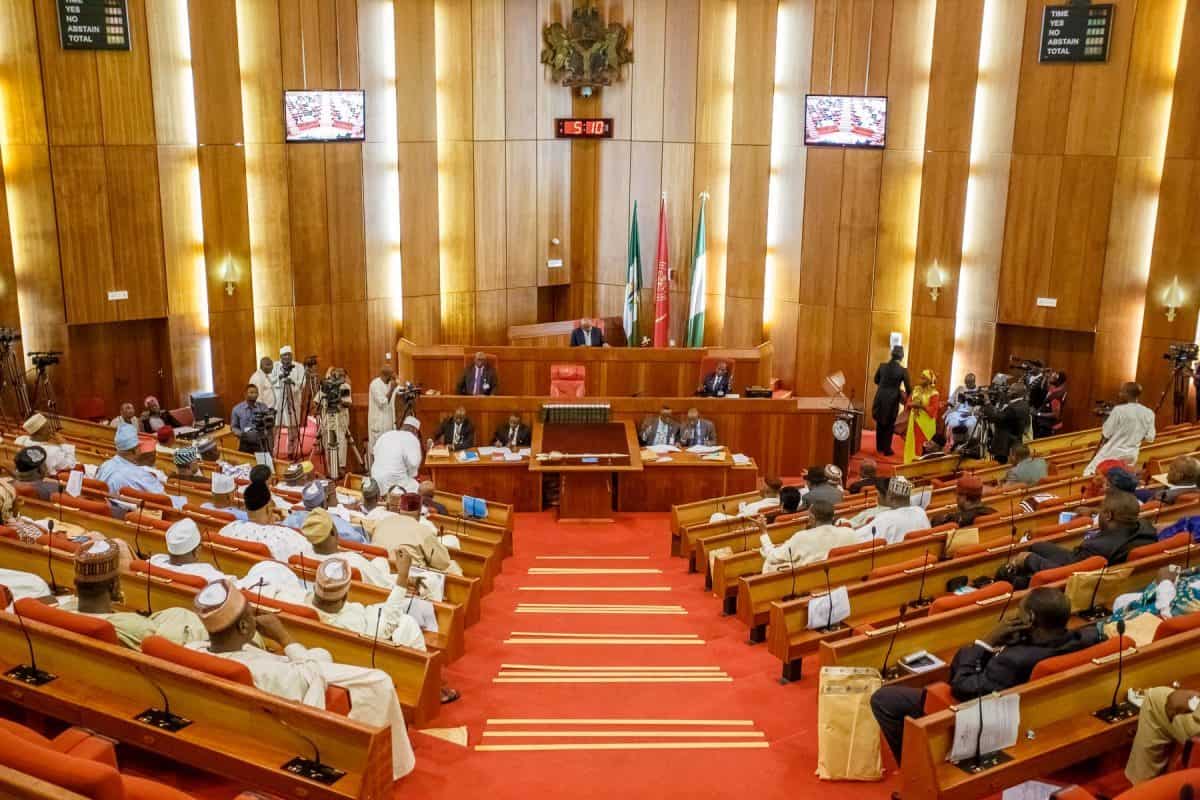
Their remarks came during the United States House Appropriations Committee joint congressional briefing focused on the alleged persecution of Christians in Nigeria.
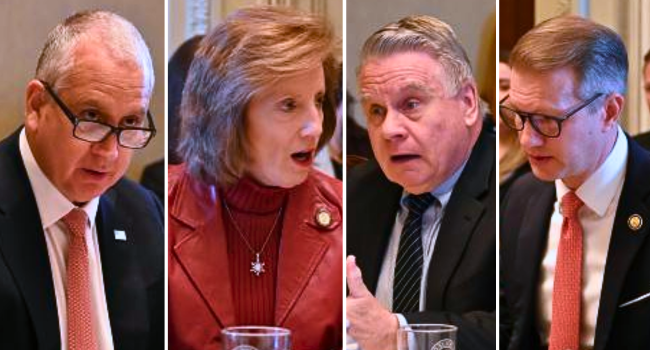
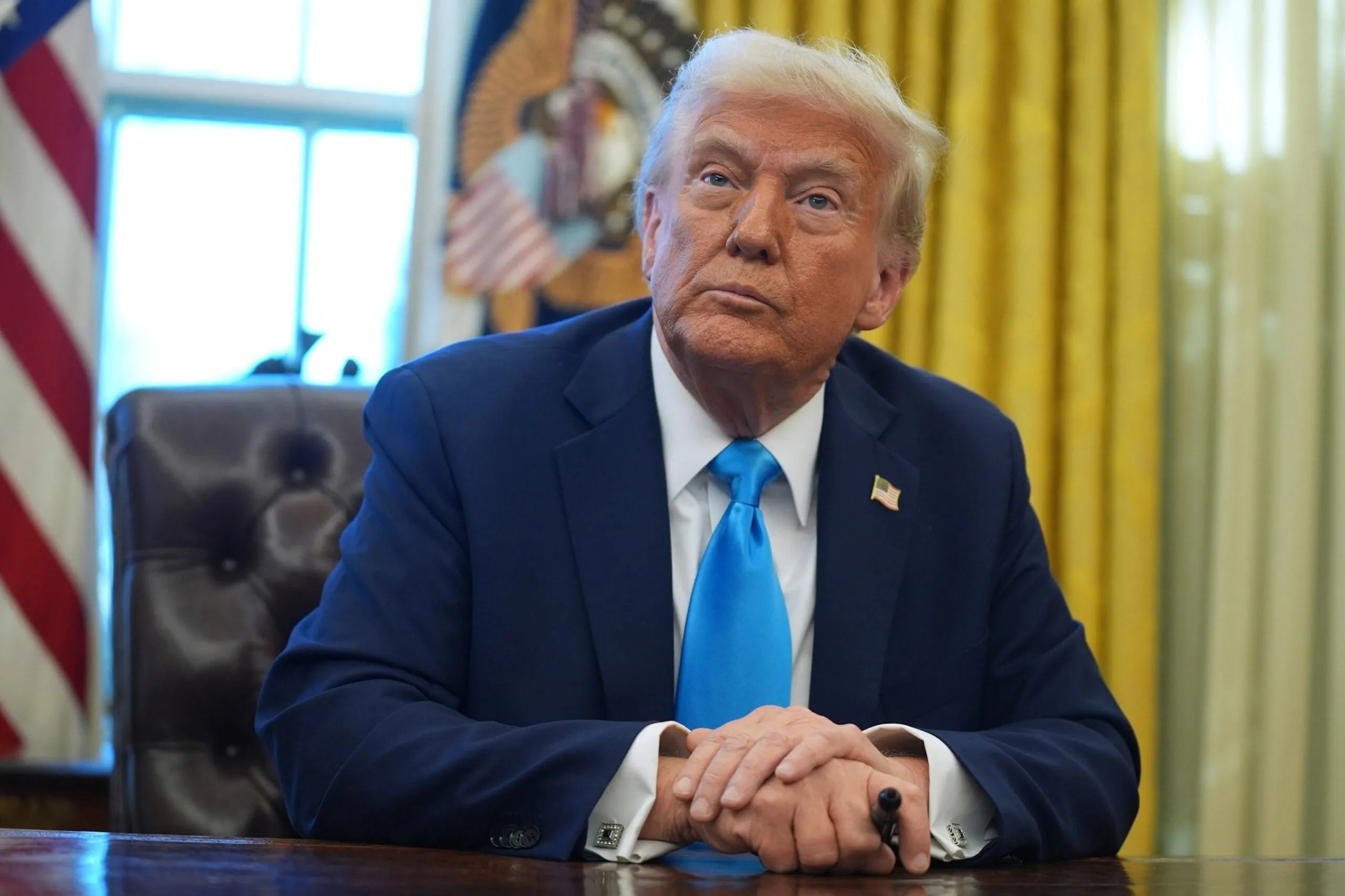
During the session, lawmakers referenced President Donald Trump’s designation of Nigeria as a Country of Particular Concern and his warning of possible military intervention.
Congressman Chris Smith said the Nigerian state is constitutionally required to safeguard its population, lamenting that attackers continue to act without consequences. As Chairman of the House Foreign Affairs Africa Subcommittee, he stressed that the US intends to hold Nigeria accountable for its inaction.
He warned, “The Nigerian government is trying to run out the clock; we cannot allow this to happen. We must act quickly and decisively to save more lives.”
Rep. Brian Mast supported President Donald Trump’s redesignation of Nigeria as a CPC, insisting that the United States “must demand that the Nigerian government disarm these militias, return displaced families to their homes, and bring the perpetrators to justice”.
Riley Moore, Vice Chair of the House Appropriations Legislative Branch Subcommittee, repeated concerns about the persecution of Christians, insisting, “The world will no longer turn a blind eye to the persecution of Christians in Nigeria.”
The briefing also featured testimony from Vicky Hartzler, Chair of the U.S. Commission on International Religious Freedom, who criticised Nigerian authorities for ignoring early warnings that could have prevented deadly attacks.
She urged stronger international support, saying, “Resources could also be invested in using early warning systems to reduce community violence, and the U.S. government should insist that Nigerian government officials respond when there is an early warning.
“Too many times, local villagers learn of an impending attack and reach out for protection, only to have their cries for help ignored to their ultimate demise. Worse yet, there are stories of law enforcement being called during an attack, and yet no help is sent. This is unacceptable!”
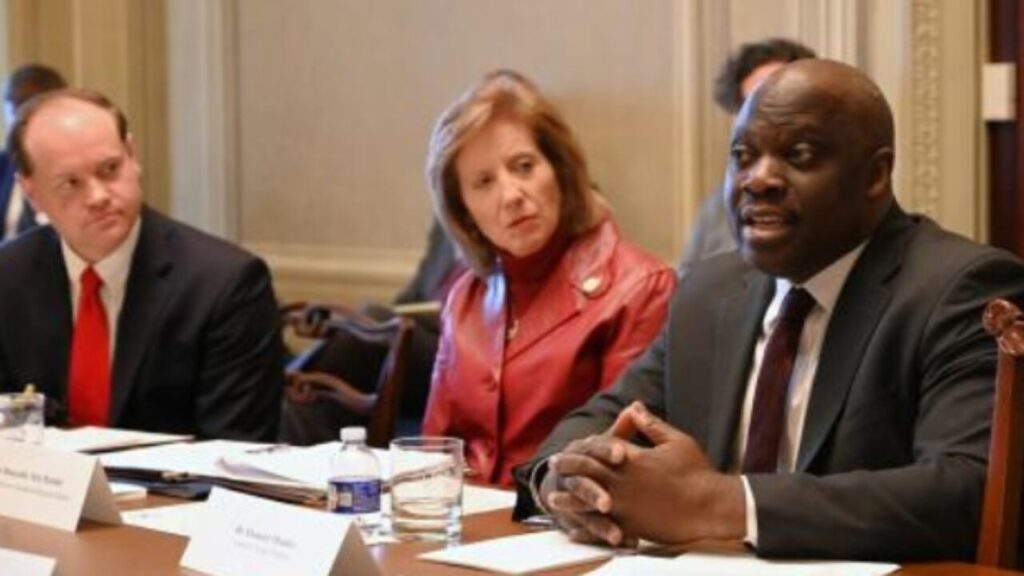
Ebenezer Obadare, the Douglas Dillon Senior Fellow for Africa Studies at the Council on Foreign Relations, traced Nigeria’s insecurity to entrenched jihadist networks, particularly Boko Haram. He argued that Trump’s recent actions have increased pressure on Abuja, prompting measures such as expanded security recruitment and the declaration of a national security emergency.
He added, “Washington must keep up the pressure. The policy goal should be two-fold: first, work with the Nigerian military to neutralize Boko Haram.”
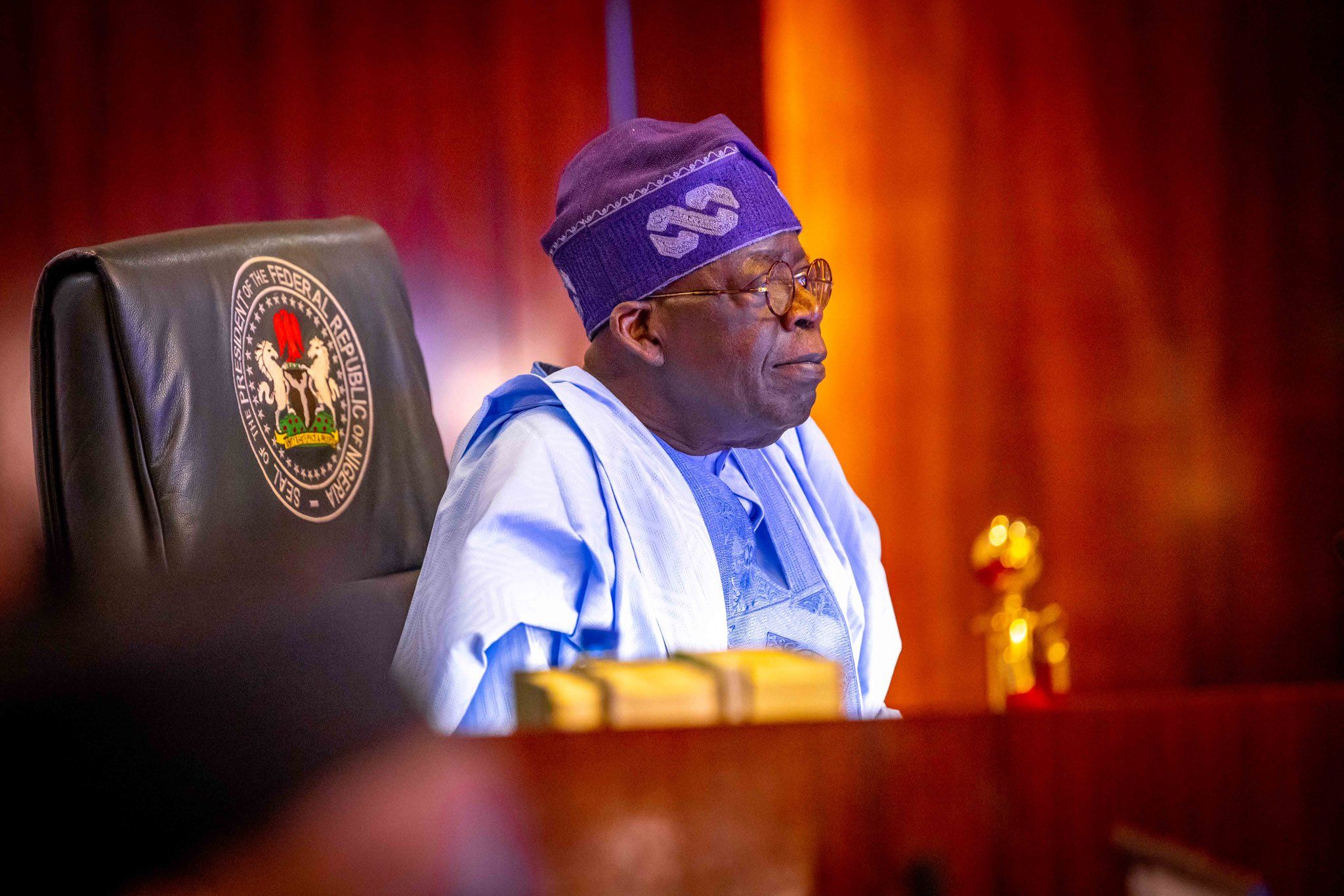
“Second, the United States should put pressure on President Tinubu to (1) make Sharia law unconstitutional in the twelve northern states where they has been adopted since 2000 and (2) disband the various Hisbah groups across northern states seeking to enforce and impose Islamic law on all citizens regardless of their religious identity.”
The briefing followed another congressional hearing on November 20 examining Nigeria’s rising violence and President Trump’s renewed CPC designation. Although Nigeria was first placed on the CPC list in 2020, the Biden administration later removed it.
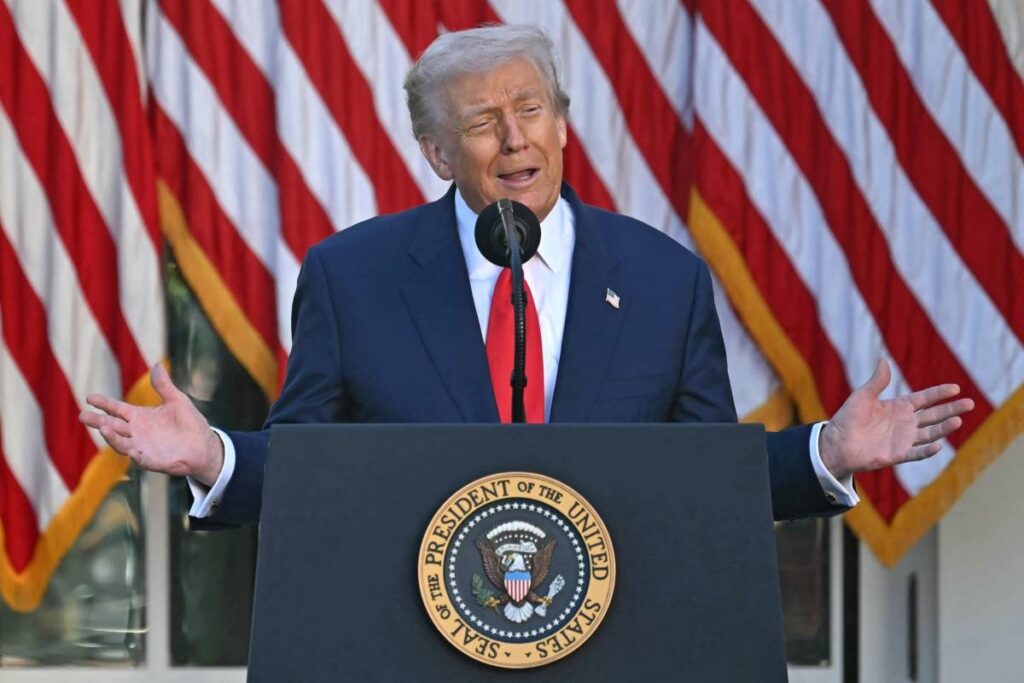
Trump, however, reinstated the designation on October 31, citing ongoing religious freedom violations. He further warned that the United States may cut assistance to Nigeria or consider military action if the government fails to address the reported persecution of Christians.
What You Should Know
The renewed criticism from US lawmakers highlights Washington’s growing frustration with Nigeria’s handling of insecurity, especially attacks linked to extremist groups and alleged persecution of Christians.
President Donald Trump’s decision to redesignate Nigeria as a Country of Particular Concern has intensified scrutiny, prompting calls for urgent reforms and stronger protections for vulnerable communities. Experts argue that decisive action against Boko Haram and systemic legal reforms are essential steps toward stability.
The US is preparing detailed recommendations and may consider withholding aid or escalating pressure if Nigeria fails to demonstrate meaningful progress in addressing the violence.