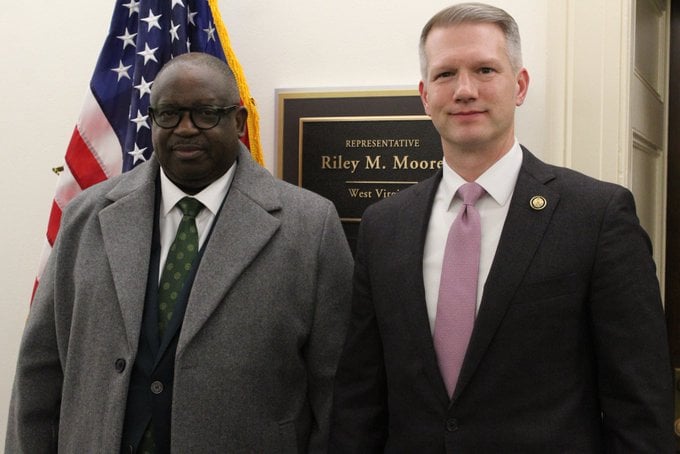
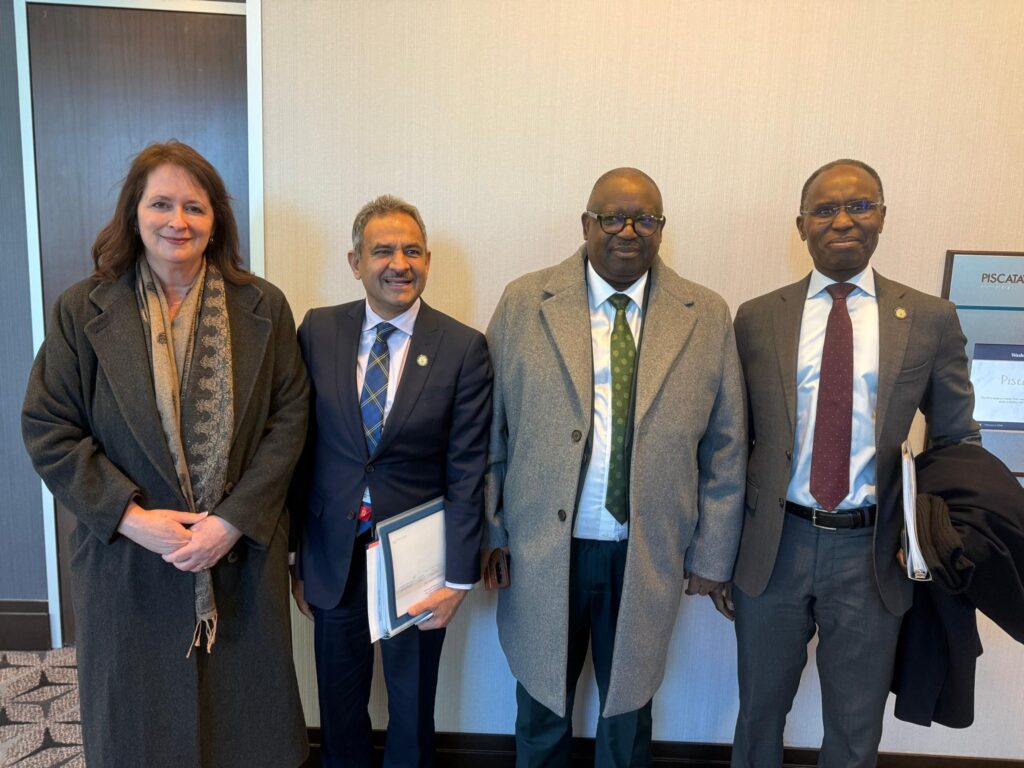
United States Congressman Riley Moore has held talks with Plateau State Governor Caleb Mutfwang during the governor’s trade and security visit to the United States, with discussions centered on security concerns and economic collaboration.
The meeting took place as part of Governor Mutfwang’s ongoing engagement with American officials, during which the US lawmaker assured Nigeria of Washington’s sustained backing in confronting security threats and economic pressures, particularly regarding the safety of Christians and other at-risk communities.
Moore described the interaction with the Plateau governor as constructive and focused on the future of bilateral relations.
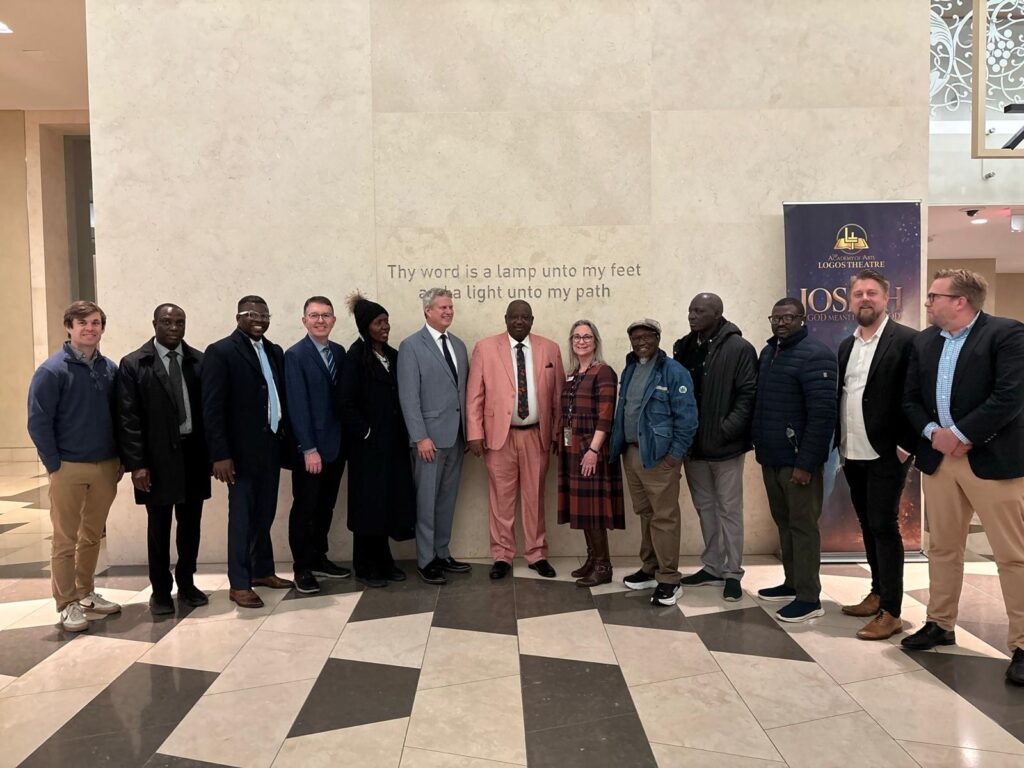
“It was an honor to meet with the governor of Plateau state in Nigeria, Caleb Mutfwang, yesterday,” Moore wrote on his X handle on Tuesday, alongside a photograph from the meeting.
“We had a meaningful and productive conversation about deepening the ties between our two countries.”
According to the congressman, the United States remains willing to strengthen cooperation with Nigeria to tackle mutual challenges affecting both nations.
“I remain committed to working with the Nigerian government in coordination and cooperation to address these security and economic challenges, especially the persecution our Christian brothers and sisters face,” Moore said.
The engagement comes almost two months after Moore disclosed that Nigeria and the United States were nearing an agreement on what he described as a “strategic security framework” intended to confront terrorism and instability in the country.
On January 25, Moore stated that the formation of a US–Nigeria working group was a critical move toward addressing Nigeria’s complex security problems.
In November 2025, the United States once again designated Nigeria as a Country of Particular Concern over alleged breaches of religious freedom, a decision that was accompanied by warnings of possible American military action.
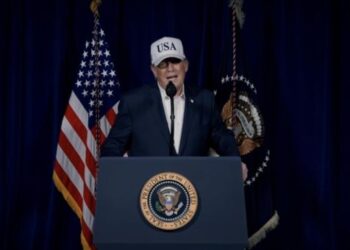
US President Donald Trump later threatened military action against Nigeria, accusing the country of failing to adequately protect its Christian population.
Following these accusations, Nigeria retained its status as a Country of Particular Concern, a classification used by the US Congress for countries accused of religious repression.
The Nigerian government strongly dismissed claims of Christian genocide, maintaining that criminal and insurgent groups target citizens without regard to religious affiliation.
The disagreement has nonetheless resulted in closer military engagement between both countries, although the precise details of the cooperation have not been fully disclosed. The United States has provided Nigeria with military hardware and conducted surveillance operations across parts of the country.
Nigeria continues to face security challenges from multiple armed groups, including extremist organisations such as Boko Haram and the Islamic State West Africa Province.
Just last month, gunmen carried out coordinated attacks on three churches in northwestern Kaduna State, abducting 168 worshippers.
What you should know
Riley Moore is a US congressman who has been vocal on Nigeria’s security situation, particularly issues surrounding religious freedom.
Governor Caleb Mutfwang has sought international partnerships to address Plateau State’s security and economic needs. Nigeria’s designation as a Country of Particular Concern has strained diplomatic relations with the US, even as military cooperation has increased.
While the Nigerian government denies allegations of targeted persecution of Christians, the issue continues to shape foreign policy discussions and security engagements between both countries.