The United States on Thursday sharply criticised Iran’s participation in multinational naval exercises off the coast of South Africa, describing the move as “particularly unconscionable” in light of Tehran’s violent suppression of domestic protests.
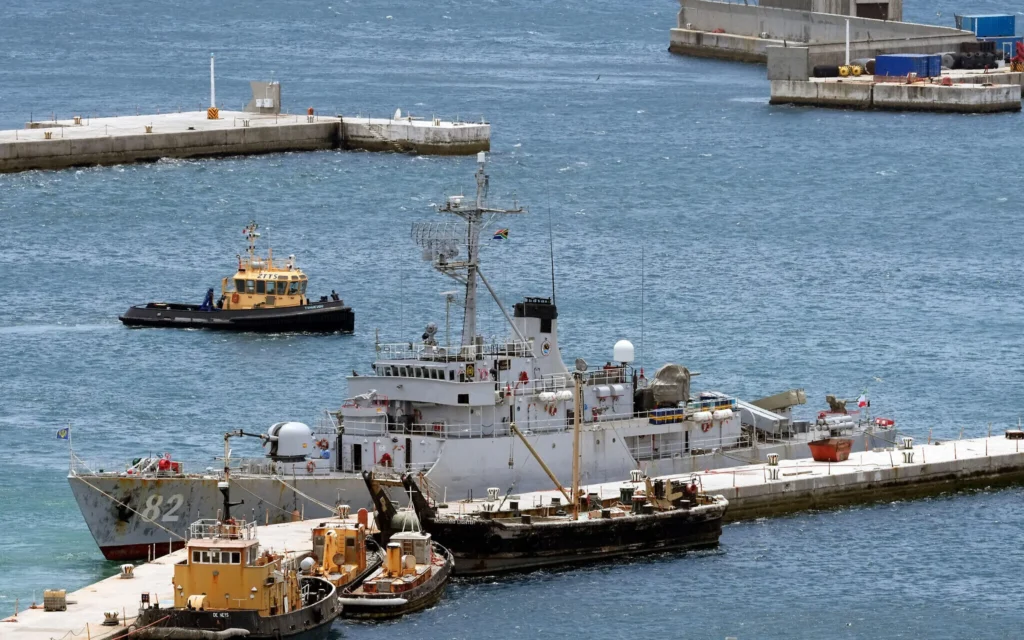
Warships from China, Iran, Russia and the United Arab Emirates entered waters near Cape Town about a week ago to take part in the drills, organised under the framework of the BRICS bloc.
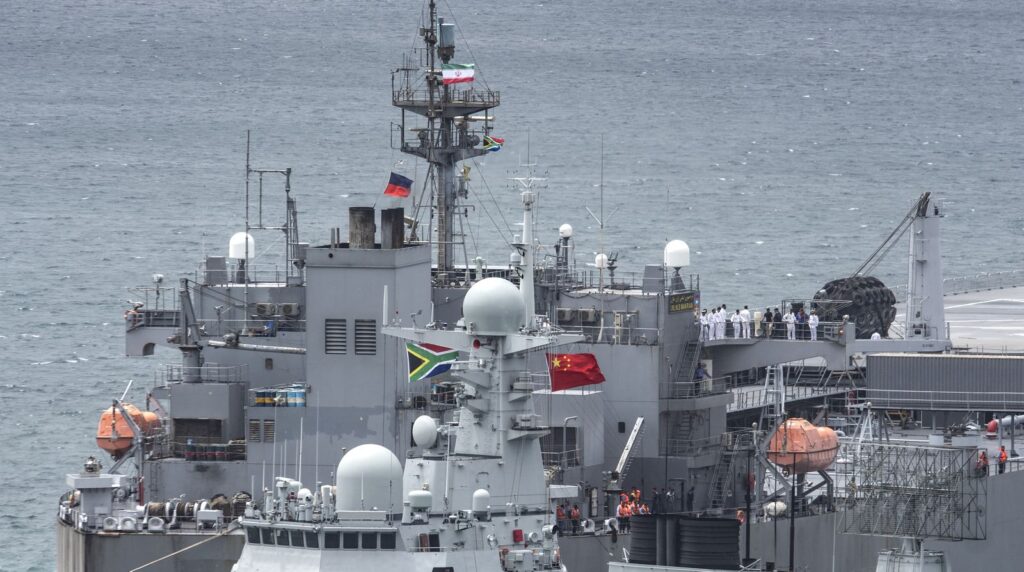
The exercises have drawn significant attention because they involve countries that often hold positions at odds with Washington on major global issues.
Local media reports indicated that the South African government had attempted to persuade Iran to withdraw from the China-led naval operation. The reported request came against the backdrop of an intense crackdown inside Iran, where activists claim that thousands of protesters have been killed by security forces.
It remains unclear how actively Iranian vessels have participated in the drills. South Africa’s navy has defended the exercises, stating that they are intended to “ensure the safety of shipping lanes and maritime economic activities” in the region.
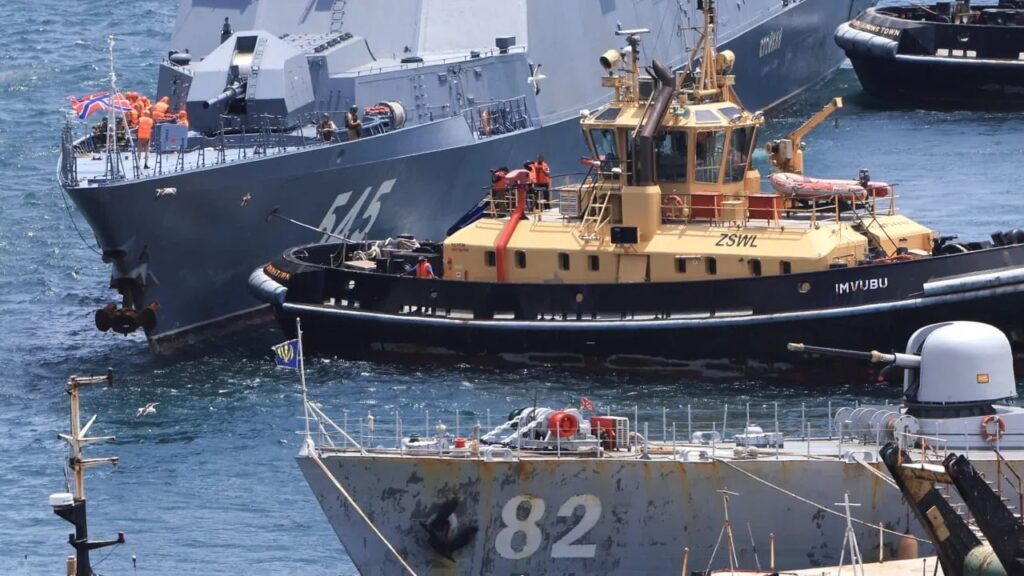
Critics, however, have argued that the drills symbolically unite countries with strained relations with the United States at a time when Pretoria is trying to repair its already fragile ties with Washington. The optics of hosting such an exercise, they say, complicate South Africa’s diplomatic posture.
Reacting publicly, the US embassy in South Africa issued a strongly worded statement on Facebook, describing Iran as “a destabilizing actor and state sponsor of terror.” The embassy said Iran’s inclusion in joint military exercises “– in any capacity – undermines maritime security and regional stability.”
The statement went further, accusing South Africa of turning a blind eye to alleged abuses by Iranian authorities. “It is particularly unconscionable that South Africa welcomed Iranian security forces as they were shooting, jailing, and torturing Iranian citizens engaging in peaceful political activity South Africans fought so hard to gain for themselves,” the embassy wrote.
Relations between Washington and Pretoria have deteriorated significantly in recent months due to a range of policy disagreements. One of the most contentious issues has been South Africa’s case at the International Court of Justice accusing Israel of genocide over the war in Gaza, a move that has angered US officials.
“South Africa can’t lecture the world on ‘justice’ while cozying up to Iran,” the US embassy added, underscoring the depth of American frustration with Pretoria’s foreign policy choices.
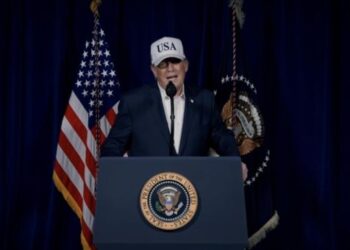
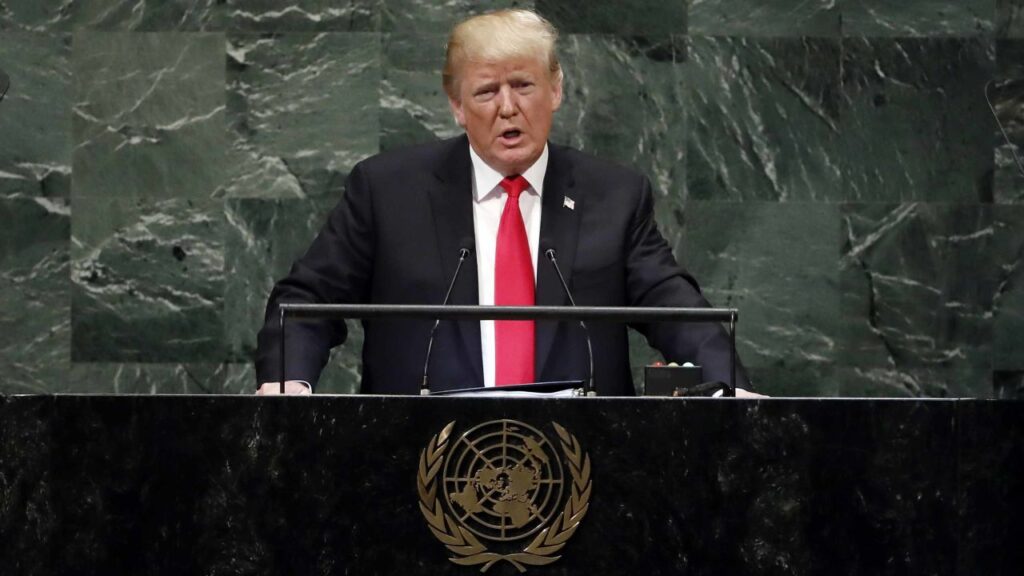
US President Donald Trump has in recent days warned Iran against carrying out executions of individuals detained during the protests, threatening possible military consequences. However, his latest comments suggested he may be stepping back from immediate military action, opting instead to monitor developments.
Beyond Iran-related tensions, the Trump administration has accused South Africa of pursuing policies hostile to US interests. Washington boycotted South Africa’s G20 summit held in November and imposed trade tariffs of 30 percent, further straining economic and diplomatic relations between the two countries.
The controversy surrounding the naval drills has therefore become another flashpoint in an already fraught relationship, highlighting the broader geopolitical divisions shaping alliances and rivalries in the current global order.
What you should know
The naval drills off South Africa’s coast involve BRICS-linked countries and come at a time of heightened global tension over Iran’s internal crackdown on protests.
The United States views Iran as a major security threat and has criticised any cooperation that could legitimize its military presence.
South Africa’s participation has deepened diplomatic strains with Washington, which are already worsened by disagreements over Gaza, trade tariffs, and foreign policy alignment.