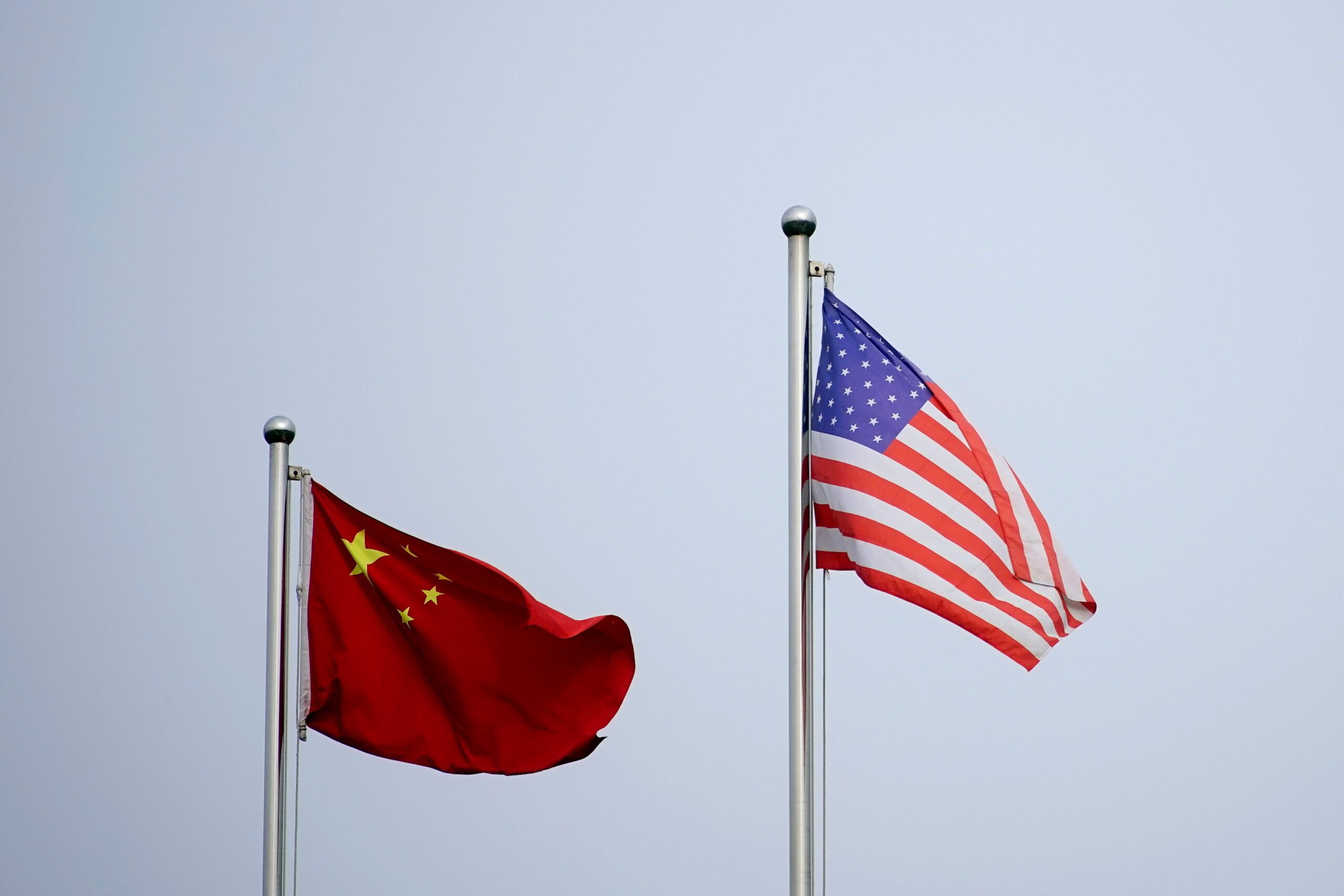
In a last-minute reprieve that prevented what could have been an economic catastrophe, the United States and China have agreed to extend their fragile tariff truce for another 90 days, pushing the deadline to November 10 and averting the implementation of punishing triple-digit tariffs that threatened to create a virtual trade embargo between the world’s two largest economies.
The extension, announced by President Donald Trump via his Truth Social platform on Monday, came just hours before existing arrangements were set to expire at 12:01 a.m. EDT on Tuesday. China’s Commerce Ministry quickly followed suit early Tuesday morning, confirming its parallel commitment to the extended pause.
High-Stakes Brinkmanship
The timing of this extension underscores the high-stakes nature of ongoing trade negotiations. Without this agreement, U.S. tariffs on Chinese goods would have skyrocketed to 145%, while Chinese retaliatory tariffs on American products were poised to hit 125%—rates so prohibitive they would have effectively severed normal commercial relations between the two nations.
Instead, the current arrangement maintains U.S. tariffs on Chinese imports at 30%, with China imposing 10% duties on American goods—still significant trade barriers, but far from the economic warfare that triple-digit rates would have represented.
Critical Timing for the Retail Sector
The 90-day extension provides crucial breathing room for American retailers as they prepare for the critical holiday shopping season. The autumn months traditionally see a massive surge in imports of consumer goods—electronics, apparel, and toys—as retailers stock up for Christmas sales. The lower tariff rates will help contain costs for consumers already grappling with inflationary pressures.
This seasonal imperative likely played a significant role in both sides’ calculations. A trade war escalation during the peak import season would have dealt a severe blow to American retailers and ultimately to consumers facing higher prices on holiday merchandise.
Economic Pressures Mount
The trade tensions are taking a measurable toll on both economies. China’s exports to the United States plummeted 21.7% last month, according to the latest trade data, while Chinese manufacturers have been scrambling to diversify, with shipments to Southeast Asia rising 16.6% over the same period as companies seek alternative markets.
Meanwhile, separate U.S. data revealed that the trade deficit with China has shrunk to its lowest level in more than 21 years as of June, reflecting the disruptive impact of the ongoing trade dispute on bilateral commerce.
Diplomatic Maneuvering Continues
Behind the scenes, both sides continue to engage in complex diplomatic and economic maneuvering. Trump reportedly pushed for additional Chinese concessions over the weekend, including a demand that China quadruple its soybean purchases—though analysts questioned the feasibility of such an arrangement.
The negotiations reveal the intricate web of issues beyond simple trade volumes. Washington has been pressing Beijing to cease purchases of Russian oil as part of broader pressure on Moscow over the Ukraine conflict, with Trump threatening secondary tariffs on China as leverage.
Market Response and Expert Analysis
Financial markets responded positively to the extension announcement, with Asian stocks rising and currencies stabilizing after weeks of uncertainty. The relief was palpable not just in trading floors but on the streets of Beijing, where citizens expressed cautious optimism about avoiding further economic deterioration.
“I don’t think either China or the United States wants to see their relationship continue to deteriorate,” observed Wang Mingyue, a Beijing-based robotics professional, capturing the sentiment of many who recognize the mutual benefits of economic cooperation despite political tensions.
Trade experts view the extension as providing necessary space for substantive negotiations while acknowledging the fundamental challenges that remain. Kelly Ann Shaw, a former senior White House trade official now with Akin Gump Strauss Hauer & Feld, characterized the last-minute nature of the agreement as typical of Trump’s negotiating style, suggesting the president likely extracted additional concessions from Beijing before agreeing to the extension.
Looking Ahead: Framework Deal Prospects
Both sides appear to be working toward a more comprehensive framework agreement in the fall, according to Ryan Majerus, a former U.S. trade official now with King & Spalding. The extension “will undoubtedly lower anxiety on both sides as talks continue,” he noted, providing the diplomatic space needed to address long-standing trade concerns.
However, significant obstacles remain. China continues to seek access to advanced American technology, while the United States maintains restrictions on high-tech exports for national security reasons. Trump’s refusal to ease his 20% tariff on Chinese goods over fentanyl flows suggests both sides believe they can continue to weather the economic disruption of the trade dispute.
Strategic Implications
The extended truce reflects the complex reality that, despite political tensions and economic competition, the deep interdependence between the American and Chinese economies makes a complete decoupling extremely costly for both sides. As Xu Tianchen, senior economist at the Economist Intelligence Unit in Beijing, noted, “If [Trump] escalates, he will struggle to gain an upper hand over China, which has many cards to play.”
This latest extension buys time, but it also underscores the precarious nature of the current arrangement. With the November 10 deadline looming, both sides face mounting pressure to either reach a more durable agreement or risk returning to the brink of an economically devastating trade war that neither can truly afford to wage indefinitely.
WHAT YOU SHOULD KNOW
The US and China have agreed to extend their trade war truce for 90 more days, preventing catastrophic tariffs of up to 145% that would have effectively created a trade embargo between the world’s two largest economies. This last-minute deal keeps current tariffs at manageable levels (30% US, 10% China) and gives retailers crucial breathing room before the holiday shopping season.