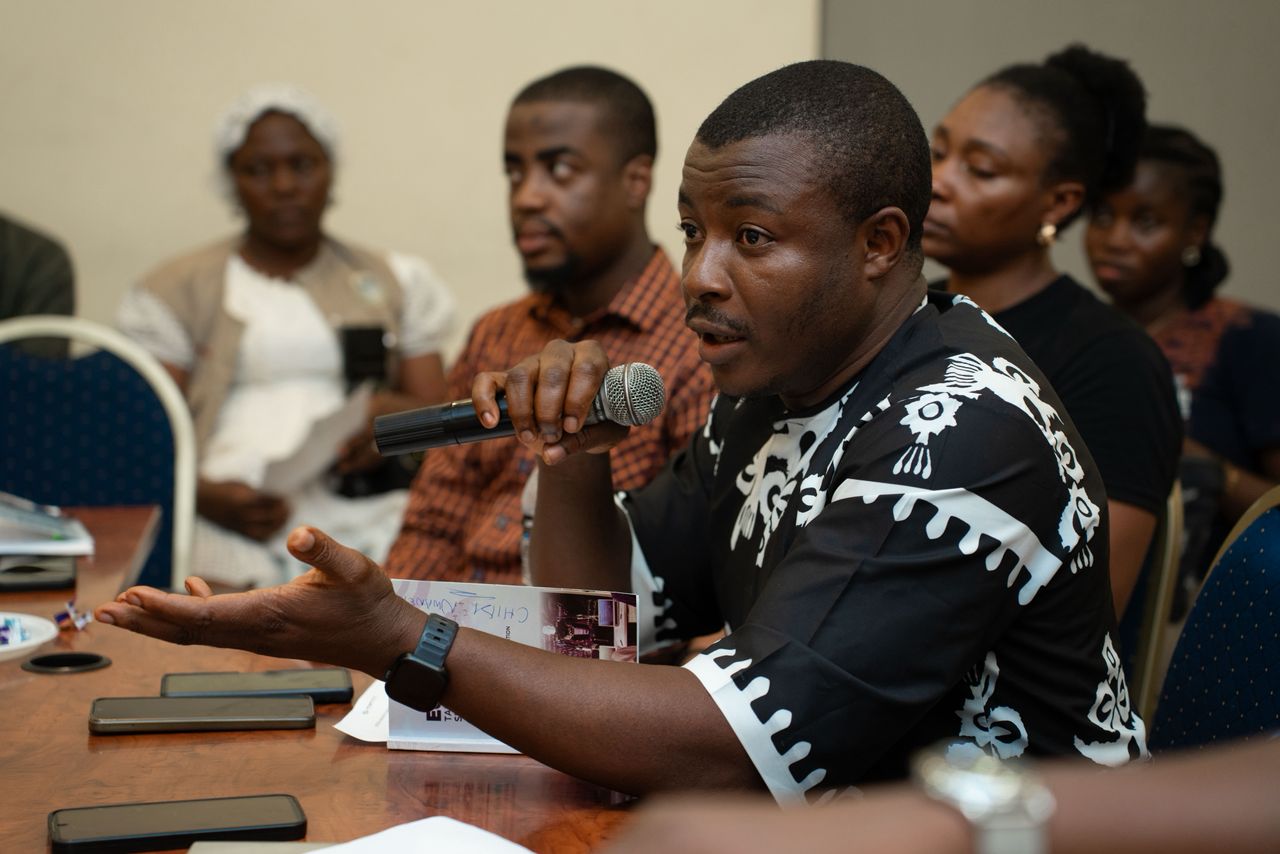
Chidiebere B. Nwaneto of the University of Lagos is researching how AI-powered, adaptive learning systems can better support children with ADHD. His work sits at the intersection of technology, education, and human-centered design, and it speaks to a broader challenge: building a future of learning that is intelligent and inclusive.
A Question With Profound Human Importance
In an era where artificial intelligence is rapidly reshaping education across the world, a Nigerian researcher at the University of Lagos is focusing on a question with profound human importance: how can technology be designed to better support children whose learning needs are often overlooked in conventional educational systems?
That researcher is Chidiebere B. Nwaneto, of the Nigerian AI Research Laboratory (NAIL), University of Lagos, whose work is increasingly centered on exploring how AI-powered, adaptive, and inclusive learning systems can improve learning experiences for children living with Attention-Deficit/Hyperactivity Disorder (ADHD).
For Nwaneto, the issue goes far beyond technical innovation. It speaks to a broader educational challenge: ensuring that the future of learning is not only intelligent, but also inclusive, accessible, and responsive to the realities of children who struggle with attention regulation, distraction, impulsivity, and sustained engagement.
A Foundation Built Across Engineering and Industry
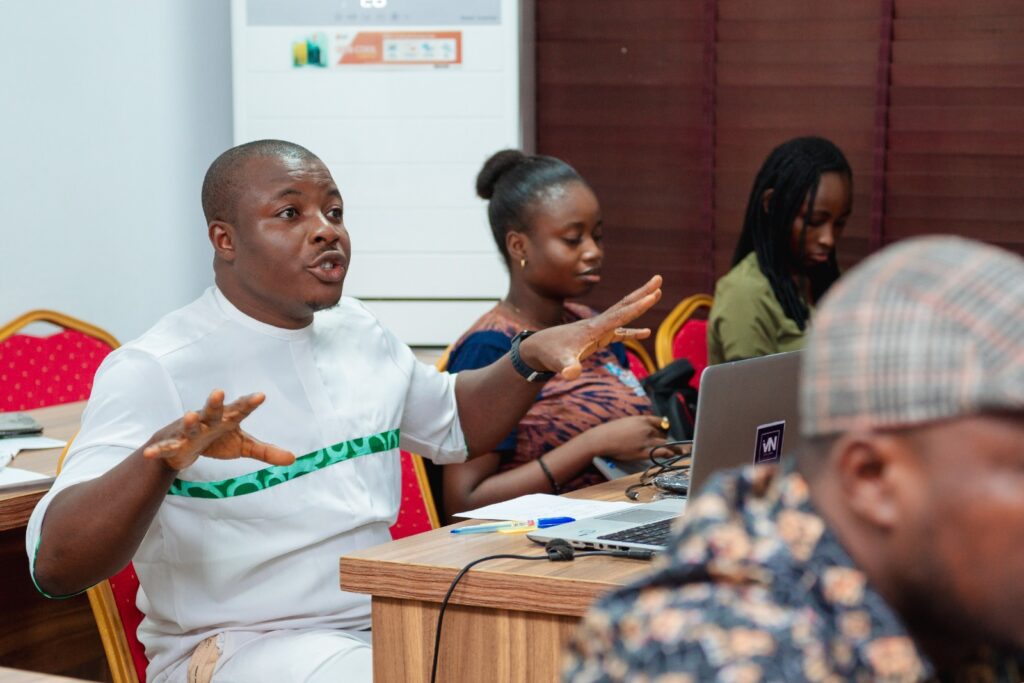
Nwaneto holds a Bachelor’s degree in Computer Engineering and a Master’s degree in Computer Science, a combination that has equipped him with both the engineering rigor and interdisciplinary insight required to address complex problems at the intersection of technology and human development. Over the years, he has also built a solid professional career in software engineering, with experience spanning web development, enterprise applications, artificial intelligence, digital platforms, and scalable technology systems.
That combination of academic training and practical industry experience has shaped his research approach. Rather than seeing technology merely as a tool for automation, Nwaneto approaches it as an instrument for addressing real social and educational challenges, especially those affecting underserved learners.
The Research Taking Shape at UNILAG
At the University of Lagos, his current research is being guided by Prof. Chika Yinka-Banjo and Prof. Yetunde Folajimi, under whose supervision he is examining how adaptive learning systems, personalized educational technologies, and inclusive digital interfaces can be designed to enhance learning outcomes for children living with ADHD.
His research interests sit at the intersection of artificial intelligence, education, accessibility, and human-centered design. In particular, he is investigating how learning platforms can be made more responsive to learners who may experience cognitive overload, reduced attention span, or difficulty maintaining focus within traditional classroom and digital learning environments.
An Already Established Academic Track Record
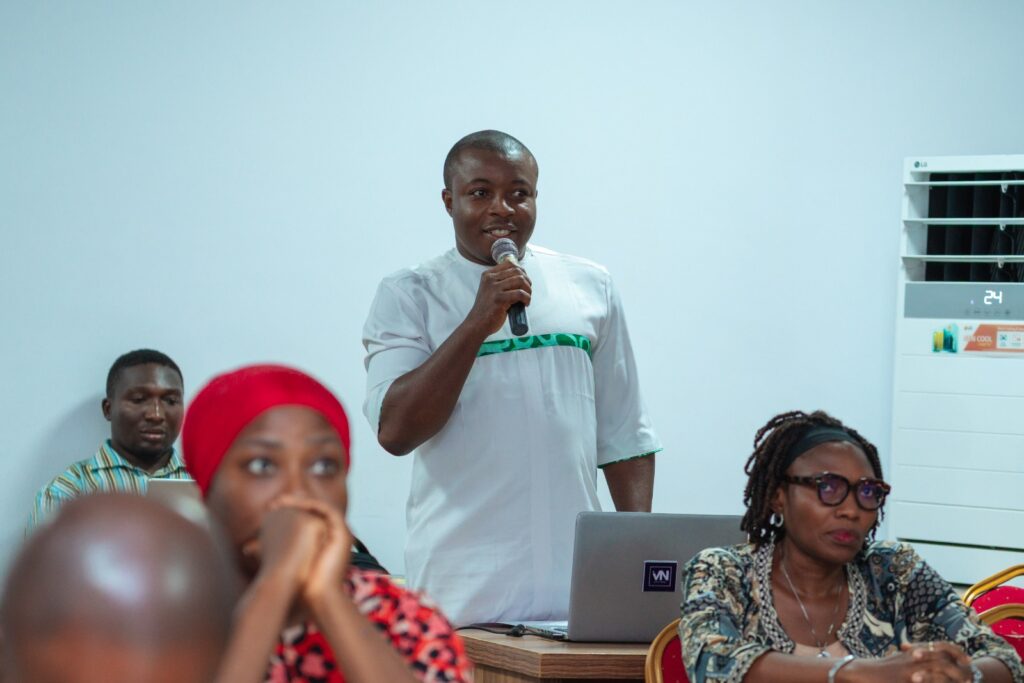
This evolving research direction builds on an already established academic track record. Nwaneto’s Master’s degree produced four scholarly research outputs, including three peer-reviewed journal papers and a published dataset, all of which focused on the use of deep learning and computer vision for early detection of Taro Leaf Blight disease in the West African sub-region.
His previous publications include “Harnessing Deep Learning Algorithms for Early Plant Disease Detection: A Comparative Study and Evaluation between SSD (MobileNetV2 and MobileNetV3) and CNN Models,” “An Object Detection Solution for Early Detection of Taro Leaf Blight Disease in the West African Sub-Region,” and “Early Detection of the Taro Leaf Blight Disease in the West African Sub-Region Using Deep Image Classification Models.” In addition, he contributed a valuable image dataset capturing the different stages of Taro Leaf Blight disease in the West African sub-region, which has been published for broader research use.
Together, these outputs reflect a strong foundation in AI research, model development, real-world problem solving, and publishable scientific inquiry. They also demonstrate Nwaneto’s ability to translate technical methods into practical solutions with direct societal relevance, a strength that now underpins his transition into research on inclusive educational technologies.
Why the Focus on ADHD Matters Now
His current focus on ADHD is especially timely. Many digital learning systems still operate on a generalized, one-size-fits-all model, although children learn differently and often require different forms of support. For children living with ADHD, poorly designed systems can intensify distraction rather than reduce it. Nwaneto’s work seeks to challenge that pattern by exploring whether AI-driven learning platforms can become more flexible, supportive, and better aligned with the needs of neurodiverse learners.
The significance of this work is especially pronounced in African and low-resource contexts, where awareness, diagnosis, and specialized educational support for children with ADHD may still be limited. In such environments, inclusive and intelligently designed digital tools could offer new pathways for engagement, participation, and better educational outcomes.
Building Systems That Serve Meaningfully
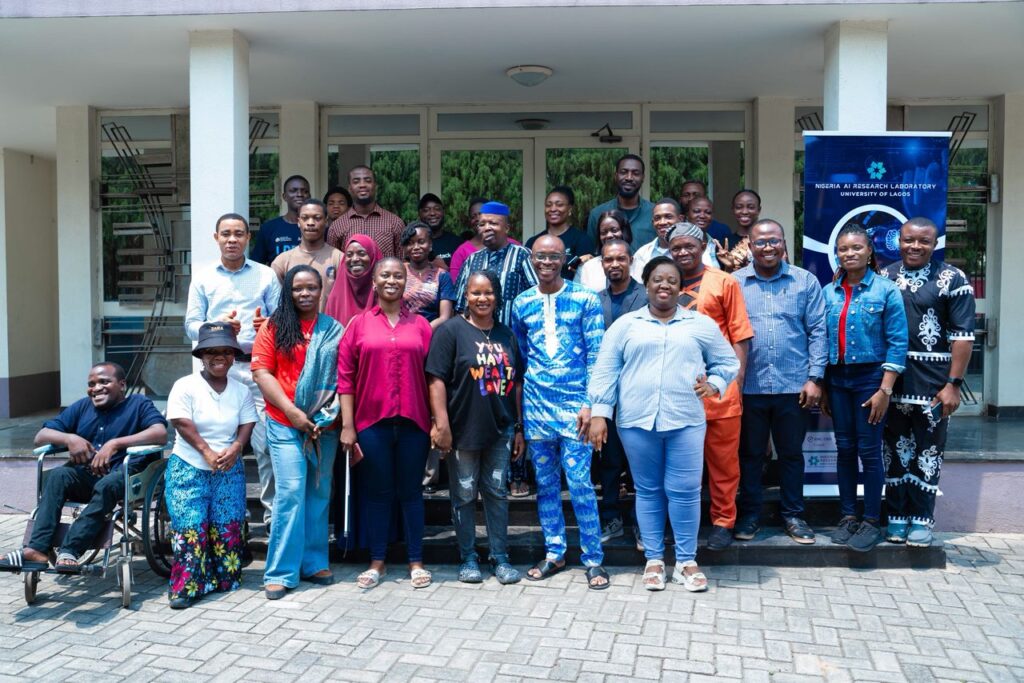
By bringing together his background in computer engineering, computer science, software development, and published AI research, Nwaneto represents a growing generation of African scholars using technology to solve deeply human problems. His work reflects a research philosophy grounded not only in innovation but also in relevance, empathy, and impact.
As his research continues to grow under the umbrella of UNILAG’s Nigerian AI Research Laboratory, Chidiebere B. Nwaneto is positioning himself as part of a new wave of researchers committed to building systems that do more than perform intelligently; they must also serve meaningfully. For children living with ADHD, that vision could open the door to learning environments that are more supportive, more personalized, and ultimately more empowering.
Get in Touch
For academic collaborations, research inquiries, speaking engagements, or media contact, Chidiebere B. Nwaneto can be reached via [email protected] and www.linkedin.com/in/nwaneto-chidiebere.