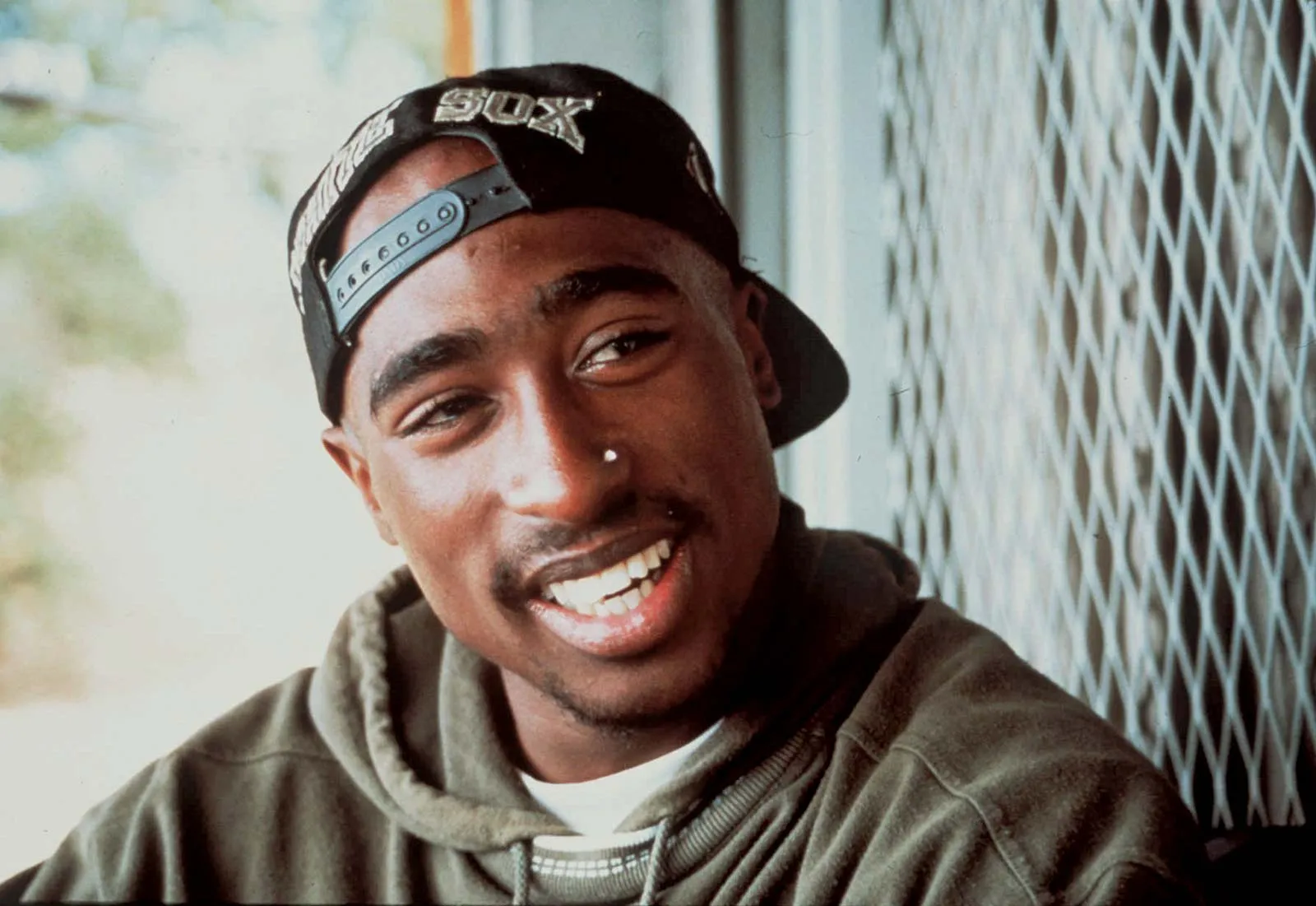
After three decades of rumor, speculation, and a cold case that refused to stay cold, a Las Vegas jury is set to hear opening statements Monday in the murder trial of Duane “Keffe D” Davis, the reputed former Compton gang leader accused of orchestrating the drive-by shooting that killed Tupac Shakur.
The case, one of the most scrutinized unsolved crimes in American pop culture history, finally reached trial this month, nearly 30 years to the anniversary of the night Shakur was gunned down on the Las Vegas Strip. Jury selection wrapped up last week after days of questioning more than 100 Clark County residents.
The panel that emerged, 10 women and six men, including a self-improvement coach and a mail carrier, now carries the weight of resolving what has long been treated as hip-hop’s most enduring whodunit.
Shakur was only 25 when he died, but he had already become one of the defining voices of 1990s hip-hop, a Rock & Roll Hall of Fame inductee whose albums, including “All Eyez on Me,” sold millions and whose songs “California Love” and “Dear Mama” remain genre touchstones.
Raised in Harlem and Baltimore, the son of a Black Panther, Shakur transformed into the face of West Coast rap after signing with Death Row Records, the Los Angeles label run by Marion “Suge” Knight.
His death on September 7, 1996, he was shot while riding with Knight after watching a Mike Tyson fight at the MGM Grand, and he died of his wounds six days later, instantly entangled with the East Coast–West Coast rivalry that also produced the unsolved murder of the Notorious B.I.G., Sean “Diddy” Combs’ Bad Boy Records signee, less than a year later.
That parallel tragedy, and the broader Death Row–Bad Boy feud, is expected to loom over testimony even though Wallace’s killing is not what Davis is charged with.
Prosecutors have built their case around a web of gang alliances that, they say, turned a personal insult into a murder plot. Death Row Records, according to the state, was shielded by Mob Piru, a Bloods-affiliated Los Angeles gang tied to Knight, while Bad Boy Records had brought in Davis’ own crew, the South Side Compton Crips, to work security.
The flashpoint, prosecutors say, came hours before the shooting: after the Tyson fight, Knight and Shakur confronted and beat Davis’ nephew, Crips member Orlando “Baby Lane” Anderson, over an earlier altercation involving a Death Row associate.
Humiliated and looking for payback, Davis allegedly rounded up a group that night, climbed into a white Cadillac, and pulled alongside Shakur’s car at a Las Vegas intersection. Gunfire erupted from the Cadillac, fatally wounding Shakur and also injuring Knight.
Davis, now 63, faces a single count of murder with a deadly weapon, with an enhancement for allegedly acting to further gang activity. If convicted, he faces life in prison without the possibility of parole.
For years investigators lacked the evidence to charge anyone. That changed after Davis, in a bid to cash in on his connection to the case, published a memoir in 2019 in which he described getting a gun, getting into a Cadillac with three other men, and searching for Shakur and Knight that night.
According to accounts of the book, Davis wrote that after Shakur reached beneath his seat, someone in the back of the Cadillac grabbed the gun and opened fire.
A Las Vegas detective who had inherited the long-dormant cold case came across the memoir and used it as the foundation for a renewed investigation, ultimately presenting excerpts of the book to a grand jury that indicted Davis on the murder charge in 2023.
Every other person prosecutors say was in the Cadillac that night, including Anderson, has since died, leaving Davis as, in effect, both a defendant and a central witness against himself through his own published words.
Since his arrest, Davis has reversed course entirely, insisting his account was fabricated or exaggerated for the sake of book sales, and pointing blame at his co-author. He has pleaded not guilty and maintains his prior statements were false.
A judge has already ruled that a 2008 police interview with Davis can also be used against him at trial, giving prosecutors another avenue to argue that his own words, not eyewitness testimony, will carry the case.
The trial, which could stretch well beyond a month, is unlikely to resolve the question that has obsessed fans for a generation: who actually pulled the trigger.
Nevada prosecutors are not required to prove Davis fired the fatal shots, only that he orchestrated the killing and supplied the weapon, a legal theory that emphasizes conspiracy and gang enhancement rather than a single triggerman.
Shakur’s relatives have shown up in force to watch the proceedings, framing the trial less as a matter of who fired the gun and more as a long-delayed reckoning.
Members of the rapper’s family were among those gathered outside the Las Vegas courthouse when jury selection began, with one relative telling reporters that anyone who had a hand in the killing “should be locked up in prison.”
Whatever the verdict, the trial is expected to reopen and perhaps finally begin to close one of the most mythologized chapters in American music history.
WHAT YOU SHOULD KNOW
This trial rests almost entirely on Duane Davis’s own words. His 2019 memoir, in which he placed himself in the Cadillac and described handing over the gun, is what revived a case that had gone cold for over two decades, after every other passenger that night died. He now says it was exaggerated for book sales.
Prosecutors don’t need to prove he pulled the trigger, only that he ordered the killing and supplied the weapon, so the verdict may resolve who’s accountable without ever answering who actually fired the shots.