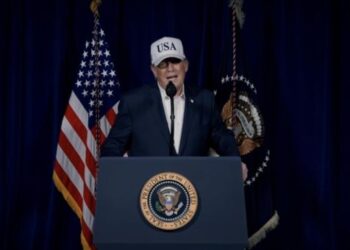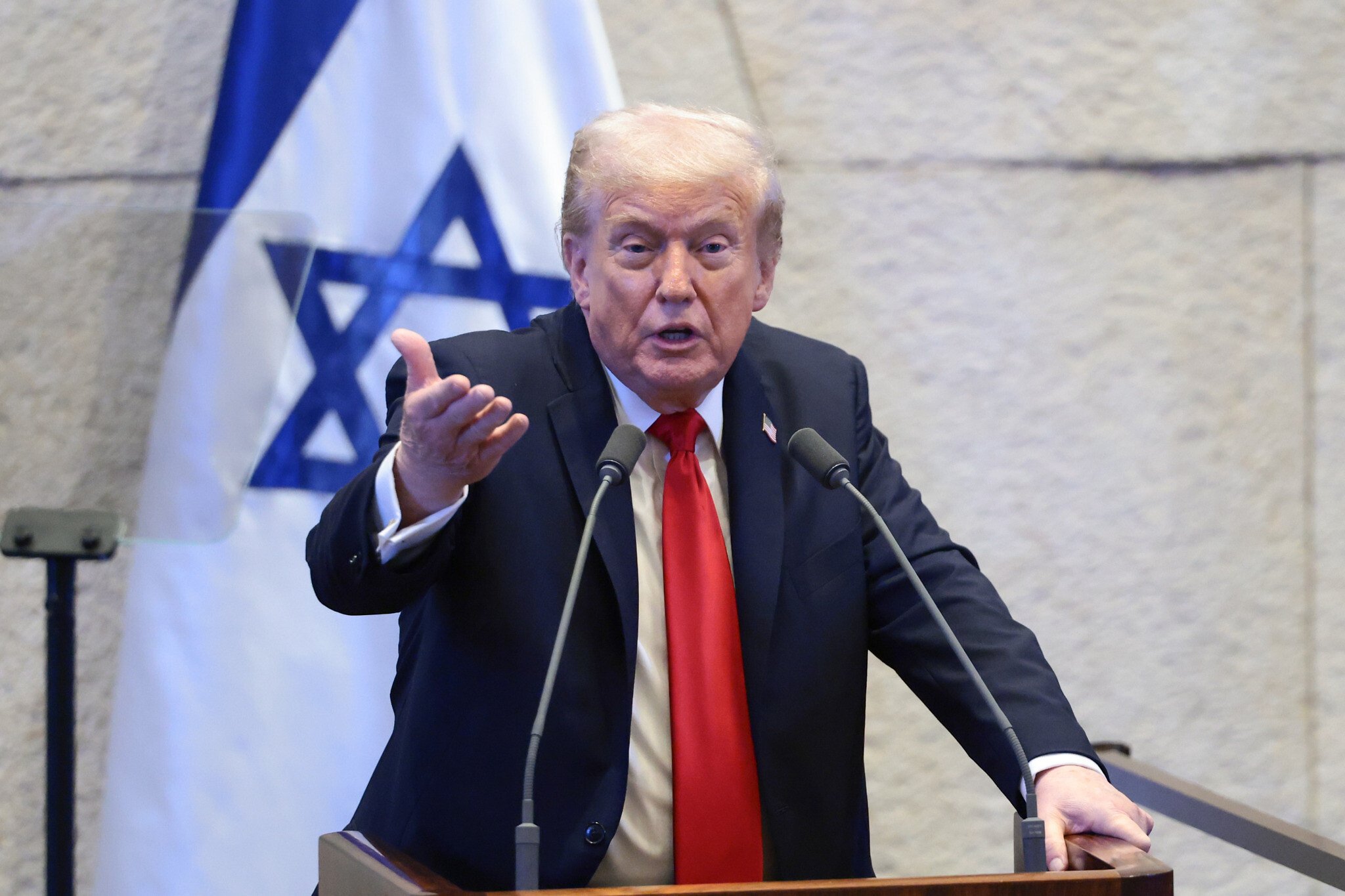
US President Donald Trump on Monday told members of the Israeli parliament that Prime Minister Benjamin Netanyahu, currently facing trial in three separate corruption cases, should be granted a pardon.
Netanyahu and his wife, Sara, are accused in one case of receiving luxury items valued at over $260,000, including cigars, jewelry, and champagne, from billionaires allegedly seeking political favors.
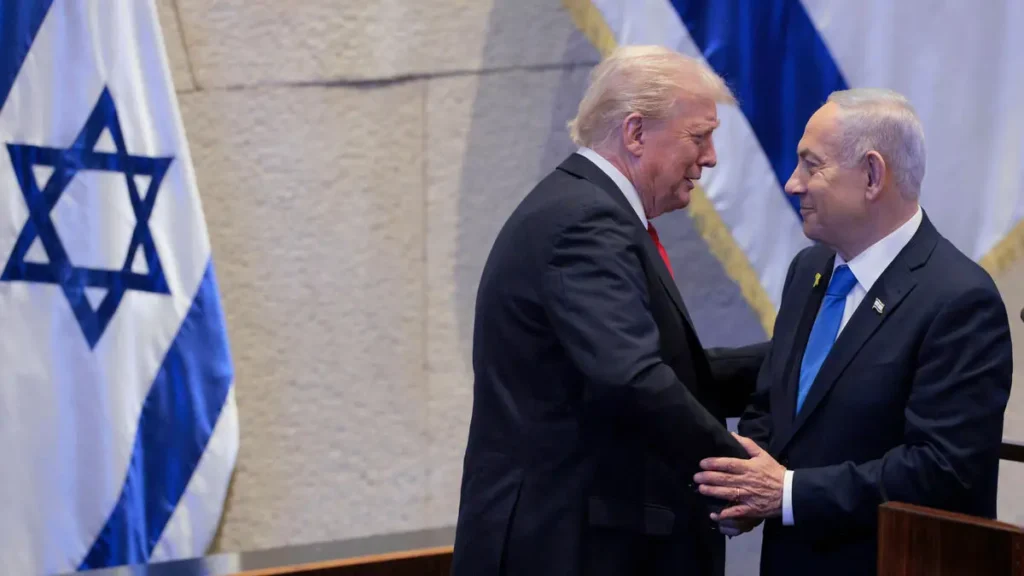
“Cigars and champagne, who the hell cares about that?” Trump quipped, describing Netanyahu as one of Israel’s “greatest wartime leaders.”
Turning to Israeli President Isaac Herzog, Trump added humorously, “Hey, I have an idea, Mr. President, why don’t you give him a pardon?”
“By the way, that was not in the speech, as you probably know. But I happen to like this gentleman right over here,” he continued, motioning toward Netanyahu.
The Israeli leader has consistently denied wrongdoing in all three cases, claiming the charges are politically driven. Apart from the luxury gifts case, he faces allegations of seeking favorable coverage from two Israeli media outlets.
During his latest term, which began in late 2022, Netanyahu introduced controversial judicial reforms that critics argued would weaken the judiciary—reforms that sparked mass demonstrations until the Gaza conflict diverted national focus.
The embattled prime minister is also the subject of an arrest warrant issued by the International Criminal Court (ICC), accusing him of ordering war crimes in Gaza during Israel’s offensive against Hamas militants.
While Trump avoided addressing the ICC case during his speech, Washington has previously denounced the warrant and sanctioned some ICC officials. Earlier this year, Trump had described Netanyahu’s legal troubles as a “political witch hunt,” likening them to his own legal challenges in the US.
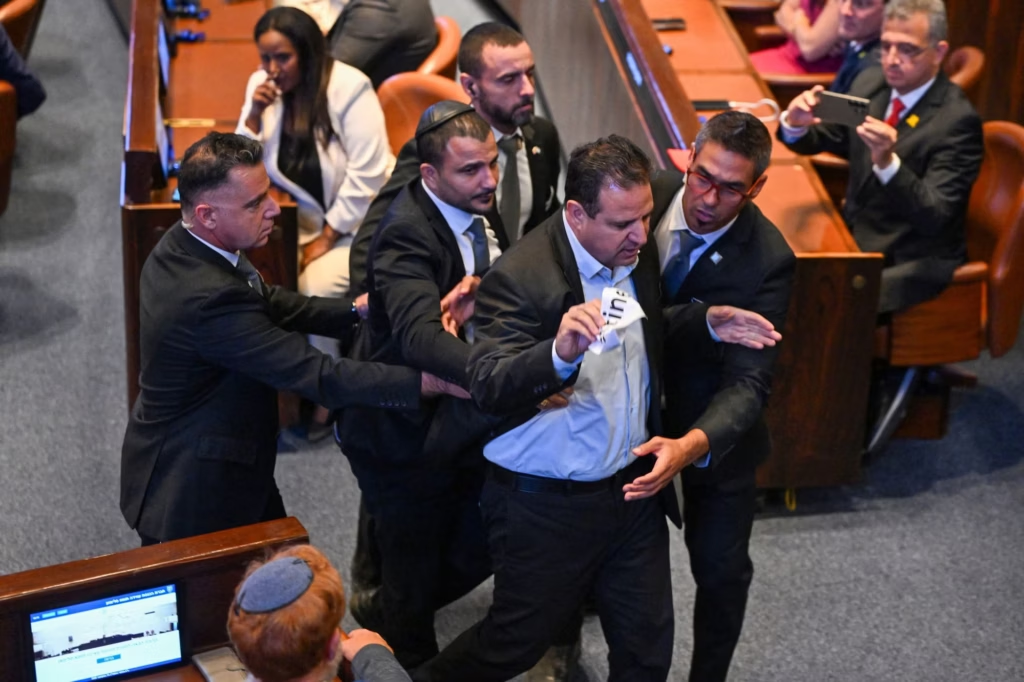
Trump’s Knesset speech was briefly interrupted when two left-wing lawmakers, Ayman Odeh and Ofer Cassif of the Hadash-Ta’al party, staged a protest. The lawmakers held signs demanding recognition of Palestine before being swiftly removed by security officers.
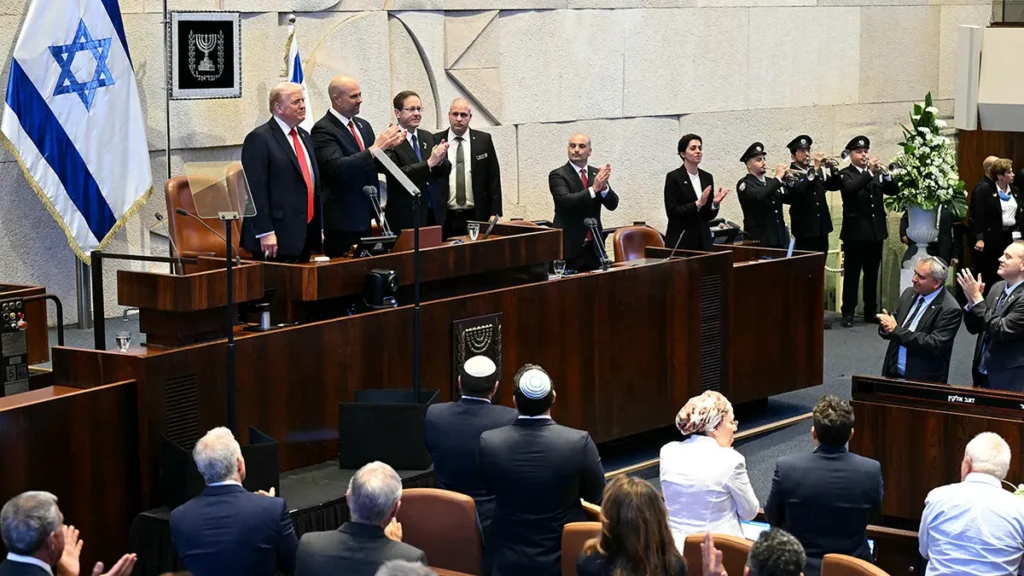
Footage from the session captured Trump’s amused reaction. After pausing briefly, he smiled and remarked, “That was very efficient,” earning applause from the chamber.
The protest took place on a momentous day when all 20 living Israeli hostages held by Hamas in Gaza were released. The development marked a major breakthrough in the ongoing Israel-Hamas conflict. Netanyahu thanked Trump for his pivotal role in securing their freedom, calling him “the greatest friend that the state of Israel has ever had in the White House.”
Trump hailed the event as a “historic dawn for the Middle East,” celebrating what he described as a turning point for peace. “After so many years of unceasing war and endless danger, today the skies are calm, the guns are silent, and the sirens are still,” he said.
He praised his diplomatic team—including special envoys Steve Witkoff and Jared Kushner—for their contribution to negotiations that led to the hostages’ release. Trump also highlighted progress in talks with world leaders such as Vladimir Putin and addressed efforts toward stability in Iran and Ukraine.
Across Israel, emotional reunions unfolded as the freed hostages returned home, a testament to the human side of the day’s diplomatic success. Netanyahu called it a “momentous day” and reaffirmed his commitment to achieving long-term peace in the region.
British Prime Minister Keir Starmer also celebrated the hostages’ release, especially those with UK connections, describing it as a “deeply relieving moment.” He urged sustained global cooperation to secure peace in Gaza and prevent future escalations.
Despite the brief disruption during Trump’s speech, the event was largely marked by optimism. The President emphasized themes of reconciliation, unity, and faith—presenting the day as a symbolic step toward a more peaceful Middle East.
What you should know
Donald Trump’s visit to Israel marked both a symbolic and diplomatic milestone.
His public call for Netanyahu’s pardon and role in the release of 20 hostages underscored his influence in Middle Eastern politics, while the brief protest reminded the world of Israel’s deep divisions over Palestinian recognition.