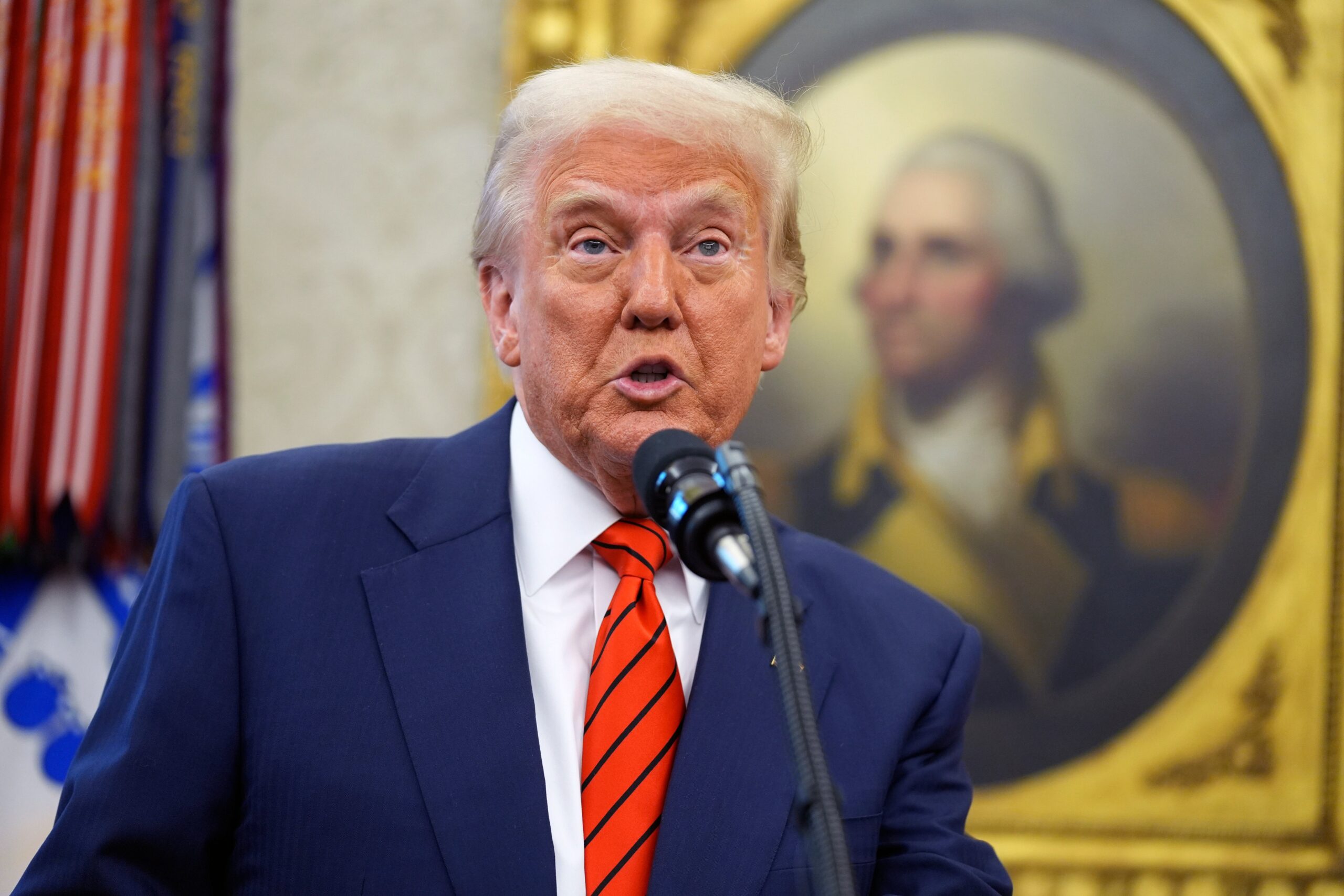
United States President Donald Trump has taken steps to halt $5 billion worth of foreign aid that had been approved by Congress, the White House confirmed on Friday.
The move is expected to intensify political standoffs, with Democrats strongly rejecting the decision and warning that it could increase the risk of a government shutdown.
In a letter addressed to the House of Representatives, Trump explained that the cuts “affect programmes of the Department of State and the United States Agency for International Development.” His statement further highlighted the administration’s ongoing effort to restructure how aid is delivered and managed.
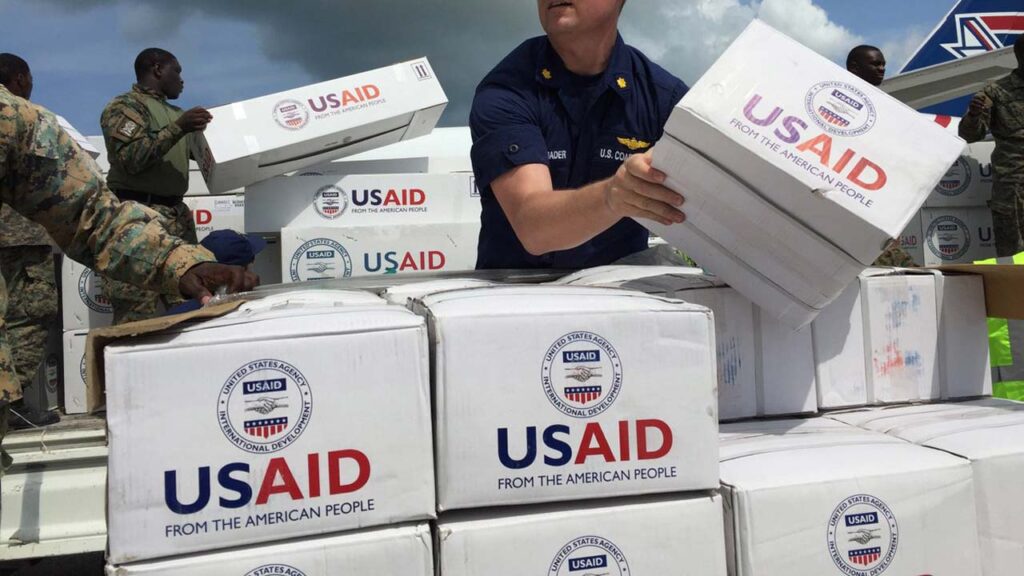
Since coming into office, Trump’s administration has overseen major changes to USAID, the primary agency responsible for foreign assistance. Established in 1961 during the presidency of John F. Kennedy as part of a Cold War strategy to strengthen ties with developing nations, USAID has now been integrated into the State Department.
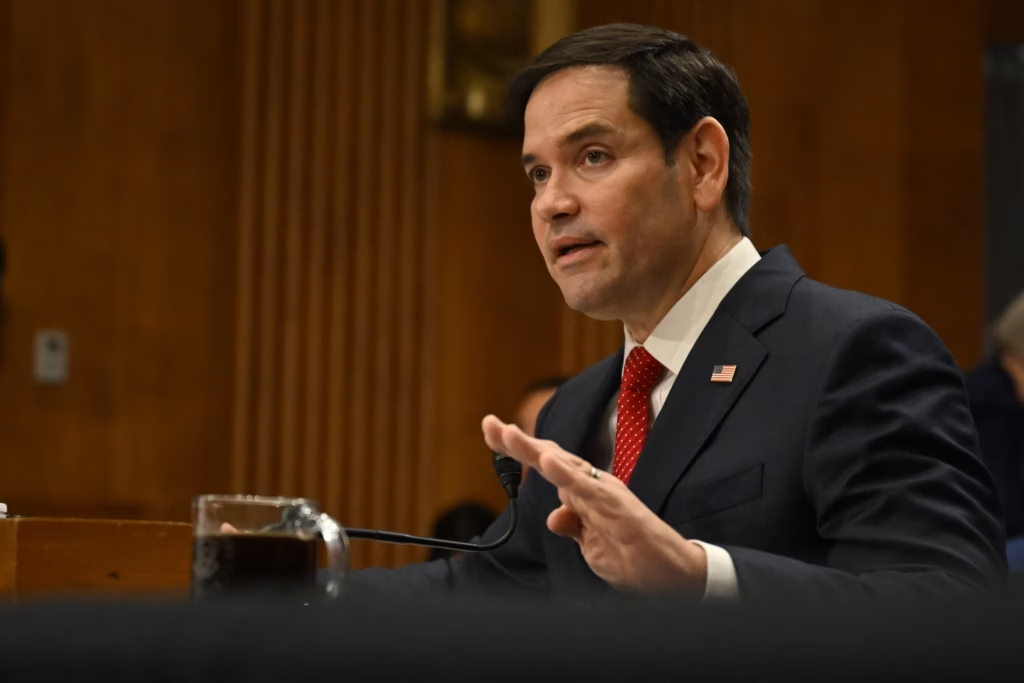
This restructuring followed a decision by Secretary of State Marco Rubio to slash 85 percent of its operations, a move that significantly reduced its global footprint.
Trump, who returned to office in January for a second term, has pursued an aggressive campaign aimed at scaling back or dismantling multiple parts of the federal government. His administration has argued that the cutbacks are designed to streamline spending and eliminate what it sees as unnecessary programs.
Democrats, however, have sounded the alarm, stressing that any move to withhold funds that Congress has already approved would derail negotiations meant to keep the government functioning beyond the end of the fiscal year. They cautioned that such actions would almost certainly trigger a budget deadlock and bring about a federal “shutdown” after September 30, if a resolution is not reached.
What you should know
Donald Trump’s decision to block $5 billion in foreign aid underscores his broader agenda of downsizing government agencies and programs.
With Democrats opposing the move, the standoff could push the US toward a federal shutdown at the end of September, highlighting the tense political environment in Washington.