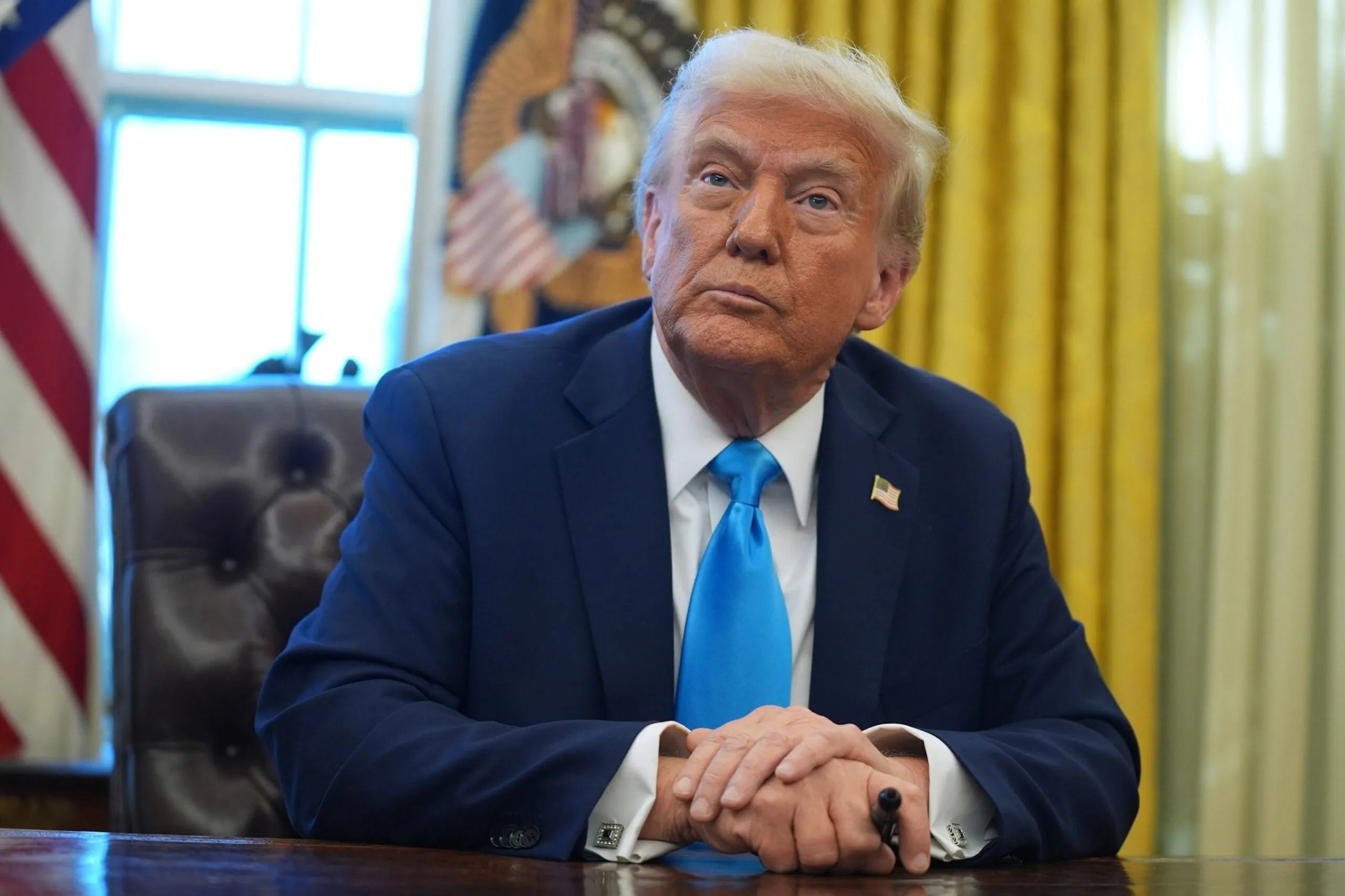
US President Donald Trump has issued a second pardon to Dan Wilson, a militia member linked to the January 6, 2021, Capitol Hill riot, clearing the firearms-related conviction that kept him behind bars despite his earlier pardon.
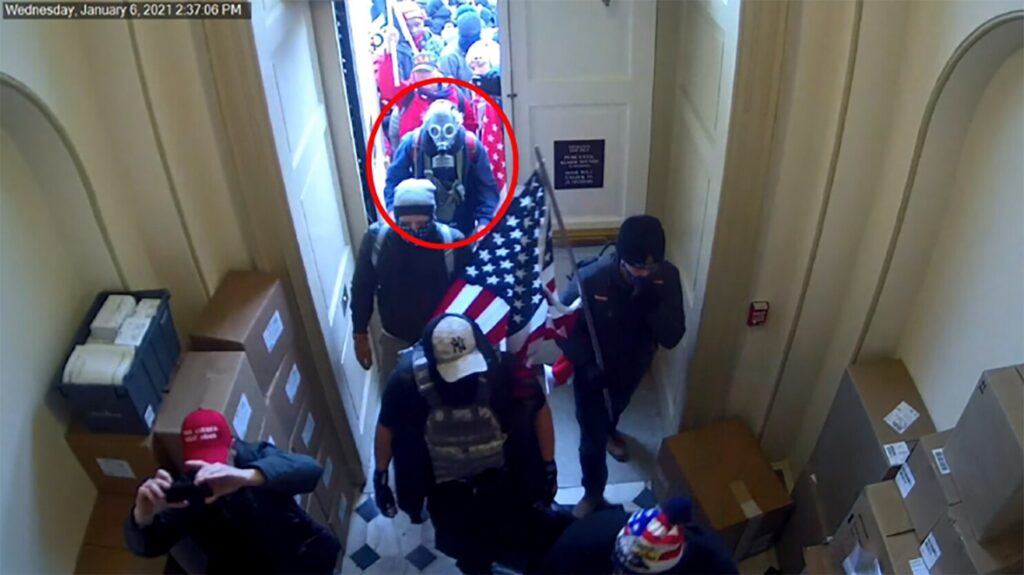
Wilson, a member of the Oath Keepers, had previously been pardoned by Trump on January 21—the day of his inauguration—alongside 1,500 individuals connected to the riot. However, that initial clemency did not include a separate conviction stemming from illegal firearms discovered in his Kentucky residence, a charge unrelated to the Capitol breach.
Wilson had been serving a five-year sentence and was originally expected to remain in prison until 2028.
A presidential decree, dated Friday and obtained by AFP, confirmed that the latest pardon was “full and unconditional,” effectively wiping out the remaining conviction.
Wilson’s legal representatives, George Pallas and Carol Stewart, said he was “relieved to be home with his loved ones” after spending seven months in custody. They added that the pardon “not only restores his freedom but also shines a light on the overreach that has divided this nation,” according to comments shared with US outlets, including Politico.
Initially, Trump administration officials maintained that the earlier pardon did not cover the weapons offense because it was unrelated to the attack on Capitol Hill. But the Justice Department later reversed its position, determining that the firearms charges were connected to the broader FBI probe into the January 6 events and should therefore fall under the scope of the presidential pardon.
Throughout his presidency, Trump has repeatedly minimized the severity of the Capitol riot, describing it as a “day of love” and an “outpouring of affection” from supporters.
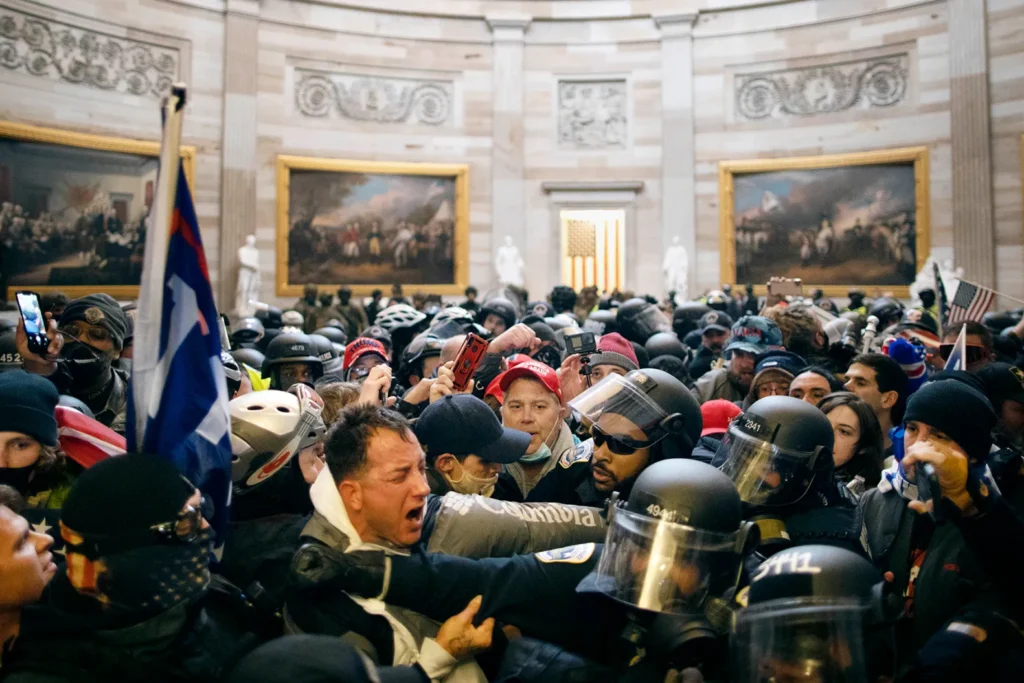
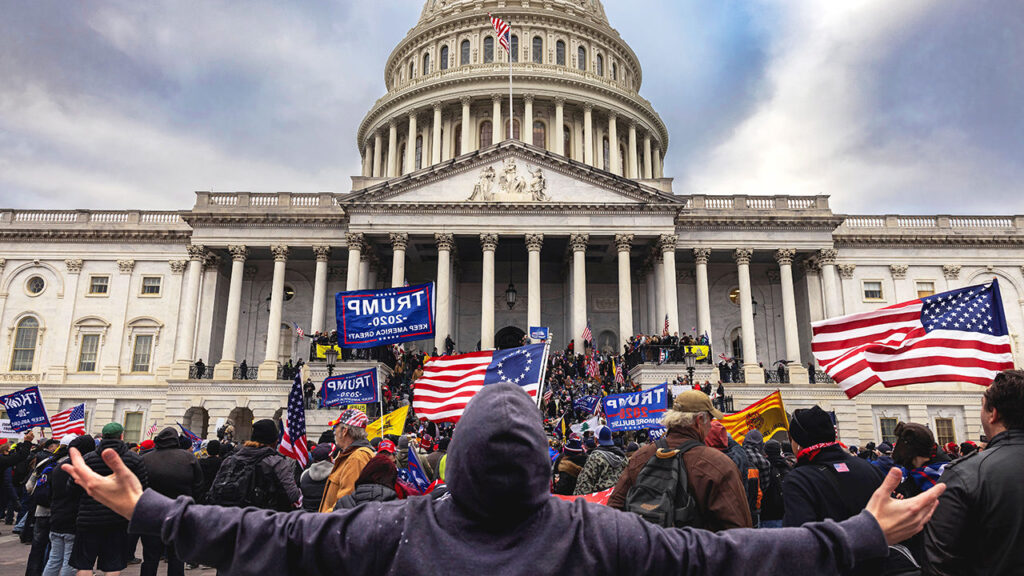
On January 6, 2021, hundreds of Trump supporters stormed the Capitol in an attempt to block congressional certification of Joe Biden’s electoral victory.
What you should know
Dan Wilson’s second presidential pardon underscores President Donald Trump’s continued willingness to extend clemency to individuals tied to the January 6 Capitol events.
Although Wilson had already been pardoned for his involvement in the riot, the firearms conviction required a separate decision, prompting legal and political debate over the reach of presidential authority. The Justice Department’s reversal in interpreting the initial pardon widened its scope, ultimately enabling Wilson’s release.
The move aligns with Trump’s longstanding efforts to downplay the gravity of January 6, even as legal consequences continue for many others involved in the riot.