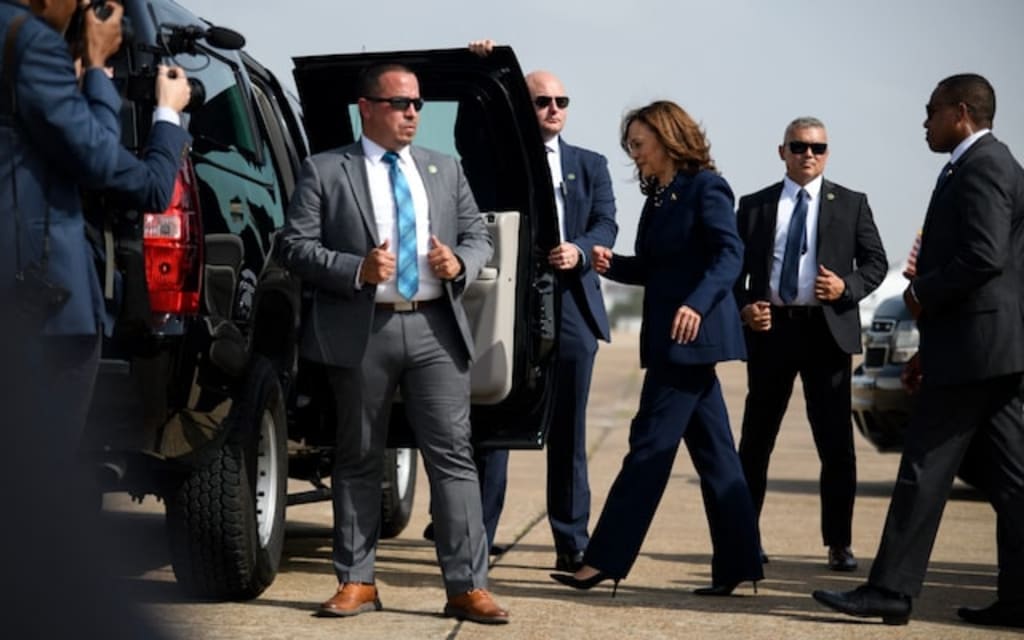
The Trump administration has officially withdrawn Secret Service protection for former vice president Kamala Harris, a White House official confirmed on Friday.
The decision brings to an end an extension granted by former president Joe Biden, who had approved additional coverage for Harris following her electoral defeat. Her standard six-month protection as a former vice president expired on July 21, CNN reported.
A senior aide to Harris told AFP that she remained “grateful to the United States Secret Service for their professionalism, dedication, and unwavering commitment to safety.”
Although Harris has kept largely out of the spotlight since losing the presidential race, she is preparing to reemerge this fall on a nationwide tour to promote her upcoming memoir, which will require increased public appearances.
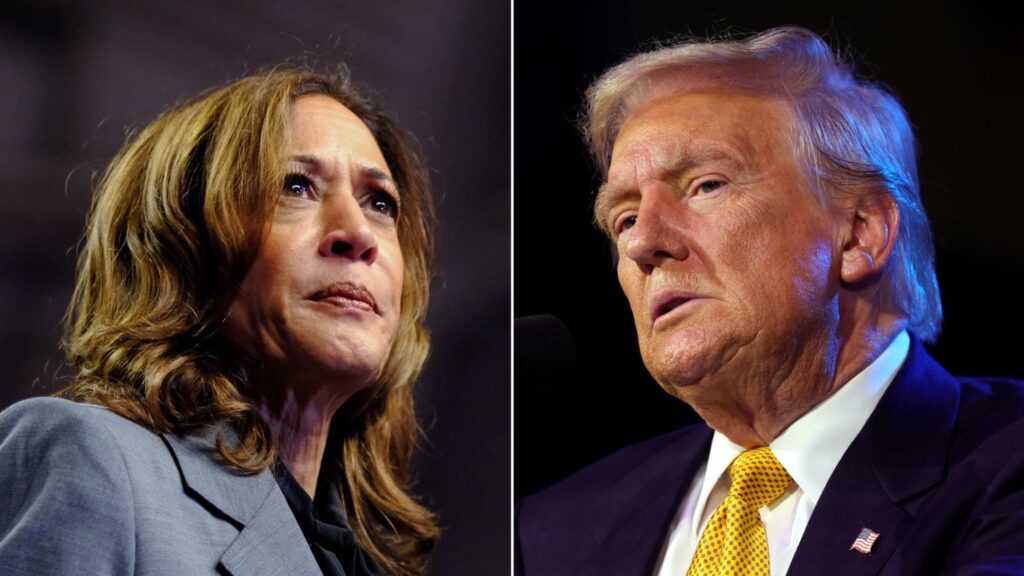
Her book, titled “107 Days,” offers an insider’s perspective on her brief campaign against Trump. Published by Simon & Schuster, the memoir will be released in the United States on September 23.
Harris, the first woman to serve as vice president in American history, stepped in as the Democratic nominee after Biden exited the race due to concerns surrounding his mental fitness. She said she approached the book with “candor and reflection,” promising readers a detailed “behind-the-scenes account” of her campaign.
Since returning to office in January, Trump has enacted a string of actions against rivals and critics. He has rescinded security clearances for current and former officials, directed attacks at law firms that represented cases against him, and pulled federal support from universities.
Just last week, FBI agents searched the residence and office of John Bolton, Trump’s former national security advisor and outspoken critic, as part of an investigation tied to classified documents.
What you should know
Kamala Harris, the first female U.S. vice president, has lost her extended Secret Service protection under Trump’s administration.
Her upcoming memoir “107 Days” will recount her short-lived presidential campaign against Trump. This move is part of a broader trend of Trump targeting political adversaries since returning to office.