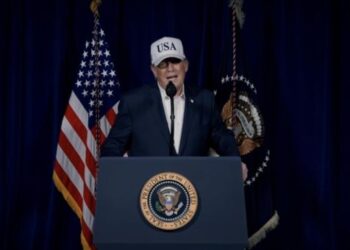
In an unprecedented move framed as a push to eliminate bureaucratic excess, the Trump administration on Friday terminated over 1,300 employees from the U.S. State Department, a decision that has triggered alarm among foreign policy experts and career diplomats who warn of lasting damage to America’s international influence.
The mass dismissals, which came just days after the Supreme Court gave President Donald Trump the green light to proceed with his sweeping plans to overhaul the federal government, affected both Foreign Service and civil service personnel.
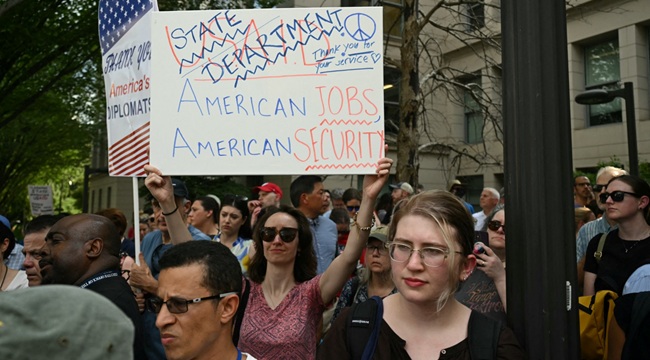
At the State Department’s Washington, D.C. headquarters, somber scenes played out as employees embraced colleagues and exited the building in tears, clutching boxes of personal items. Applause and emotional farewells echoed through the halls.
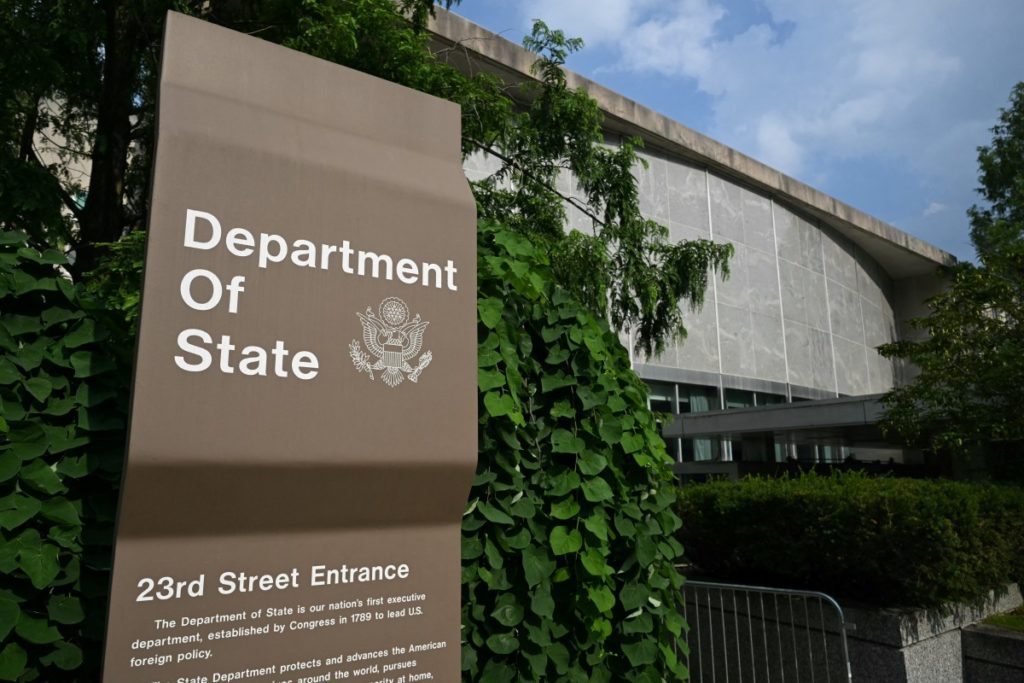
According to a State Department official, the downsizing affected 1,107 civil service workers and 246 members of the Foreign Service. The firings, the official said, are part of President Trump’s broader goal to “dismantle the deep state,” a term the president has repeatedly used to describe what he views as an entrenched, disloyal bureaucracy working against his administration’s agenda.
Secretary of State Marco Rubio supported the move, arguing that the department had become bloated and inefficient, and asserted that trimming its workforce by around 15 percent was necessary to streamline operations and enhance responsiveness.
But critics were quick to warn of dire consequences. The American Foreign Service Association (AFSA), the union representing U.S. diplomats, issued a strongly worded rebuke, calling the layoffs “a catastrophic blow to our national interests.” In its statement, AFSA pointed to ongoing global crises—including war in Ukraine, rising tensions between Israel and Iran, and increasing pressure from authoritarian regimes—as reasons the U.S. should be strengthening, not weakening, its diplomatic corps.
“At a moment of great global instability,” the association said, “the United States has chosen to gut its frontline diplomatic workforce.”
As part of the implementation, Foreign Service employees will be placed on administrative leave immediately and will officially lose their positions 120 days after receiving termination notices. Civil service workers, on the other hand, will be separated from service 60 days following their notice. According to *The Washington Post*, notifications were delivered via email.
The broader government restructuring campaign is part of President Trump’s larger goal to upend the traditional federal bureaucracy and replace key positions with individuals loyal to his leadership.
Since returning to office, Trump has moved aggressively to clear out what he and his allies describe as unaccountable career officials, seeking to replace them with staunch supporters.
The decision also coincides with the near-total dismantling of the U.S. Agency for International Development (USAID), long a central pillar of America’s global humanitarian assistance infrastructure. That agency had already faced major cutbacks in recent months, further stoking concerns about America’s diminishing global footprint.
Ned Price, a former State Department spokesperson under President Joe Biden, took to social media to criticize the methodology behind the firings. “For all the talk about ‘merit-based,’ they’re firing officers based on where they happen to be assigned on this arbitrary day,” he posted on X. “It’s the laziest, most inefficient, and most damaging way to lean the workforce.”
Barbara Leaf, a former ambassador and Biden’s lead Middle East diplomat, issued a stark warning on LinkedIn, writing, “This is not a re-org. This is a purge. It will have terrible consequences for our ability to protect American citizens abroad, pursue and defend the national interest, and our national security.”
Despite the backlash, the Trump administration has not indicated any plans to reverse or reconsider the decision. Instead, officials have described the move as essential to creating a leaner, more loyal government that aligns with the administration’s foreign policy goals.
As the dust settles, observers across the political spectrum are grappling with the long-term implications of the move. With many of the department’s most experienced professionals now gone or facing imminent dismissal, the question looms: who will speak for America on the global stage?
What You Should Know
The Trump administration has fired over 1,300 State Department employees in a sweeping downsizing effort aimed at eliminating what it calls the “deep state.” The move, following a Supreme Court ruling that enabled such cuts, has sparked widespread criticism, with experts warning it could significantly weaken U.S. diplomacy, national security, and global influence at a time of escalating international tensions.