Former Super Eagles forward Michael Eneramo has died after collapsing during a football match in Kaduna State, in a development that has sent shockwaves through the football community.
According to reports by SCORENigeria on Friday, the 40-year-old slumped while playing at the Angwan Yelwa pitch located in the Television area of Kaduna.
Eneramo, who had entered the match as a second-half substitute, was said to have suddenly collapsed without any physical contact during play, raising immediate concern among those present.

A source familiar with the incident said, “He slumped and died right on the spot. Efforts to revive him were unsuccessful.
“He was pronounced dead at the hospital.”
The former international, who had retired from professional football, built a notable career that saw him play for several clubs, including Beşiktaş J.K., Espérance Sportive de Tunis, and Lobi Stars F.C..
Before his passing, Eneramo was reportedly involved in grassroots football development, running a football academy aimed at nurturing young talents.
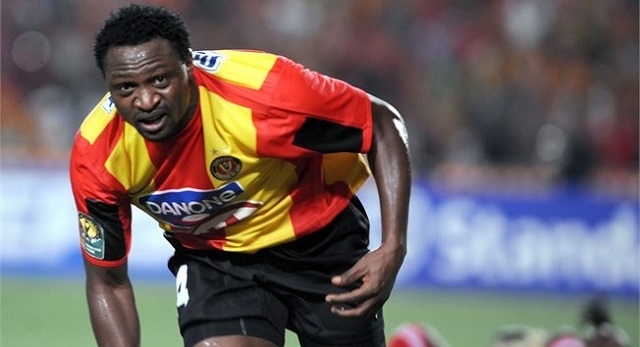
Following news of his death, the official handle of the Nigeria national football team paid tribute to the late striker, sharing his image alongside the message, “Rest in peace Michael.”
His sudden death has sparked renewed conversations around player health and emergency response measures during sporting activities, particularly at amateur and local levels.
What You Should Know
Michael Eneramo’s sudden death highlights concerns around medical preparedness and health monitoring in football, especially at non-professional levels.
Collapses during matches, though rare, often raise questions about underlying health conditions and the availability of immediate medical response.
Eneramo had transitioned into mentoring young players through his academy, contributing to grassroots football development in Nigeria.
His passing is a significant loss to the football community and underscores the importance of regular health checks for athletes, even after retirement, as well as the need for improved emergency response systems at local sporting venues.