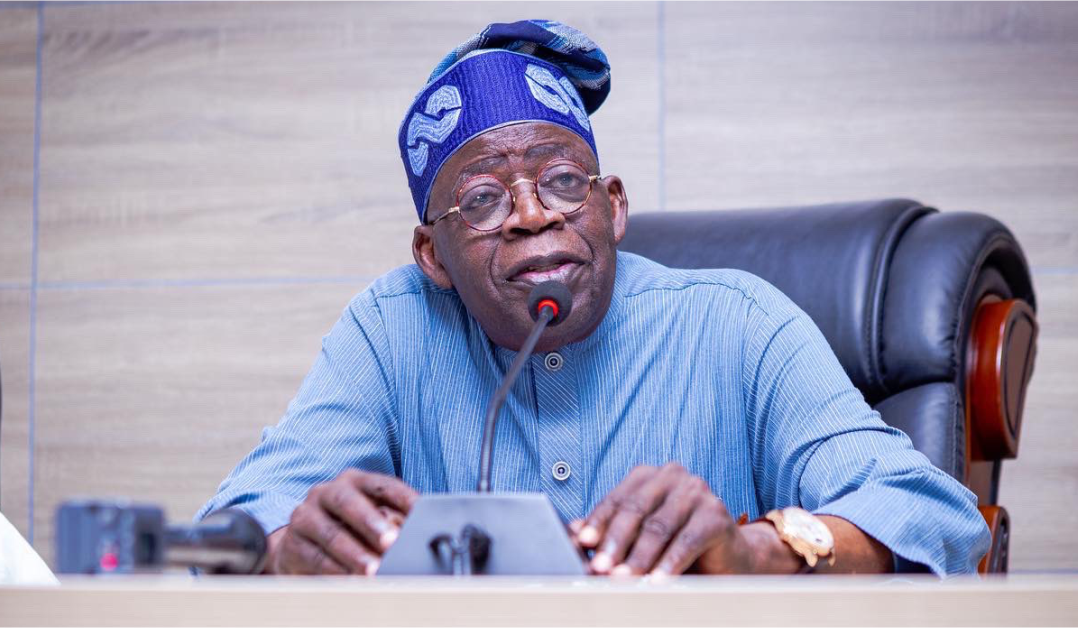
President Bola Tinubu has signed the Electoral Act, 2022 (Repeal and Re-Enactment) Bill 2026 into law.
The signing marks the end of a long and intense process in the National Assembly of Nigeria to review and update Nigeria’s main election laws.
The bill was passed after months of debates in both chambers over key issues, including how election results should be transmitted and the timing of election notices. Lawmakers later agreed on a final version and forwarded it to the president for approval.
The Senate’s passage of the bill attracted reactions from Nigerians, civil society organisations, and former electoral officials. Some of them questioned whether the new law fully reflects the modern reforms many citizens expected.
One major area of disagreement focused on how results from polling units should be sent to the central collation system. The final law retains electronic transmission as the main method but allows the use of manual backup forms in cases of technological or network failure.
Before the bill was signed into law, the National Assembly also reviewed the timeline for issuing election notices. Lawmakers shortened the mandatory notice period to prevent future elections from falling during sensitive periods such as Ramadan.
The adjustments were made to reduce possible legal and logistical problems ahead of the 2027 general elections.
With the president’s assent, the new Electoral Act will now serve as the legal framework guiding Nigeria’s electoral process in the build-up to the next polls.