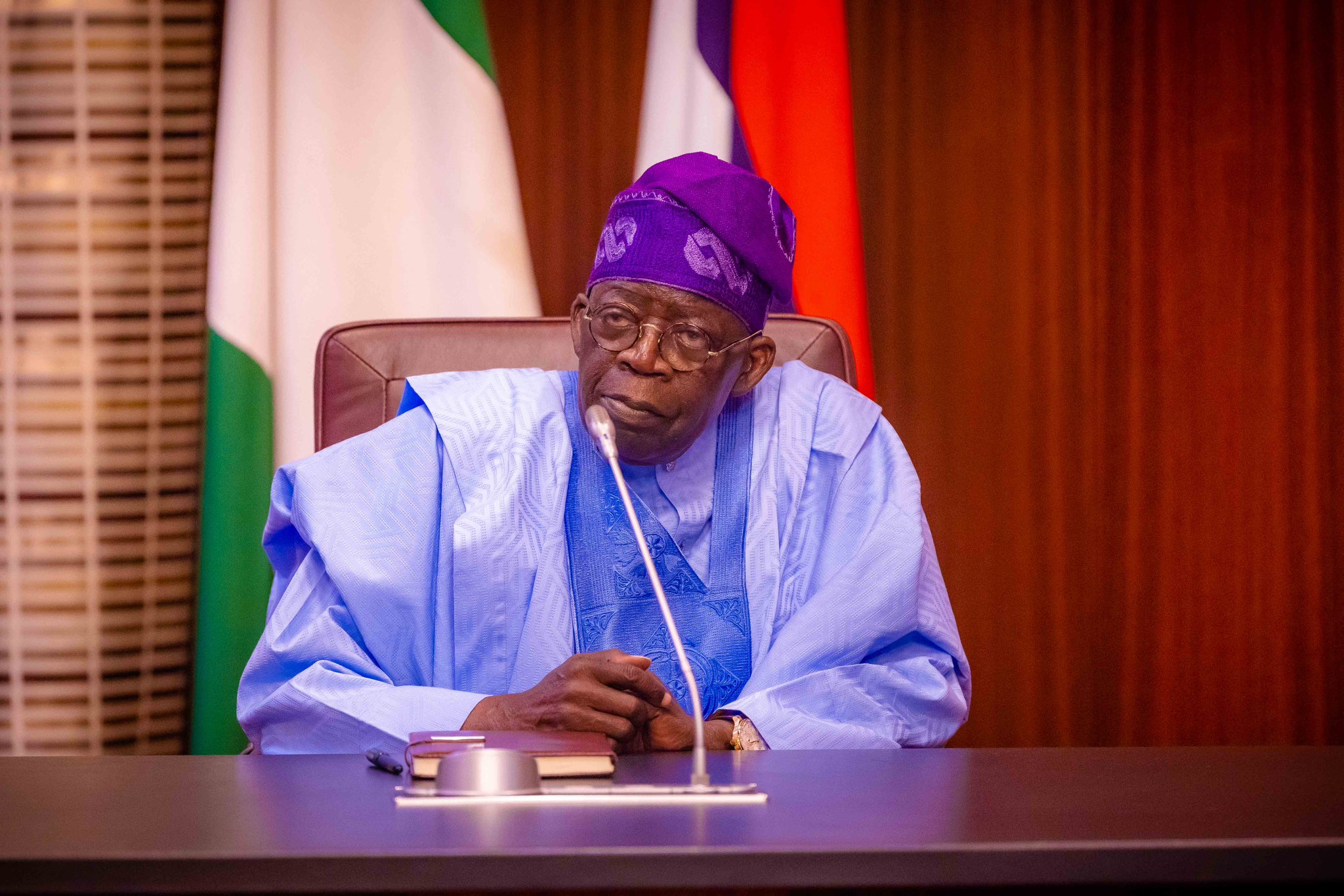
President Bola Ahmed Tinubu is set to participate in the closing session of the inaugural West Africa Economic Summit (WAES) on Saturday, taking place at the newly commissioned Bola Ahmed Tinubu International Conference Centre in Abuja.
The high-level event, which began on Friday, is a landmark initiative driven by President Tinubu in his capacity as Chairman of the ECOWAS Authority of Heads of State and Government. The summit is designed to lay the groundwork for deeper economic ties across West Africa, with a strong emphasis on regional trade, cross-border investment, and inclusive development.
This novel initiative arrives on the eve of the 67th Ordinary Summit of the Economic Community of West African States (ECOWAS), scheduled for Sunday at the State House Conference Centre in Abuja.
The Economic Summit represents a deliberate move by President Tinubu to front-load economic cooperation as a critical lever for long-term peace and stability in the region, especially against a backdrop of rising security challenges and political transitions across member countries.
Presidents of eight West African nations—Ghana, Liberia, Sierra Leone, Senegal, The Gambia, Benin, Togo, and Guinea-Bissau—have confirmed their attendance at the WAES, underscoring the political significance and regional buy-in the summit has received.
The gathering is expected to produce actionable strategies and outcome-driven frameworks that will energize the region’s integration efforts, while also creating a path to collective prosperity.
In addition to Heads of State, the summit brings together key government ministers from ECOWAS Member States in charge of Finance, Trade, Infrastructure, and Foreign Affairs.
These officials are joined by top representatives from critical regional institutions such as the West African Monetary Agency (WAMA), West African Monetary Institute (WAMI), ECOWAS Bank for Investment and Development (EBID), the West African Economic and Monetary Union (UEMOA), and the African Continental Free Trade Area (AfCFTA) Secretariat.
The private sector is also well represented at the summit, with leading figures from business, investment, and development communities actively participating in technical discussions aimed at aligning government policies with market realities. Analysts believe this private-public partnership dynamic is crucial to achieving the summit’s overarching goals.
In a move that signals a willingness to promote inclusive dialogue beyond conventional ECOWAS boundaries, President Tinubu extended invitations to countries in the Alliance of Sahelian States as well as Mauritania, encouraging open engagement on shared challenges such as cross-border trade barriers, climate adaptation, and economic resilience.
Ahead of the event, a team of Special Envoys led by Ambassador Bianca Odumegwu-Ojukwu, the Minister of State for Foreign Affairs, embarked on diplomatic outreach to deliver formal invitations to leaders across the region. She was joined by Ambassador Sola Enikanolaiye, Senior Special Assistant to the President on Foreign Affairs and International Relations, underscoring Nigeria’s commitment to the summit’s success and broader regional stability.
The West Africa Economic Summit represents a pivotal step in President Tinubu’s vision to reposition the ECOWAS bloc as a cohesive and economically integrated subregion.
Observers say the summit’s outcomes may significantly shape the agenda of the ECOWAS Ordinary Summit that follows, potentially setting a new tone for multilateral cooperation in the face of emerging global and regional challenges.
What you should know
President Tinubu’s hosting of the first West Africa Economic Summit is part of a broader strategy to prioritize regional economic cooperation under his leadership as ECOWAS Chair.
The initiative brings together top-level political and economic stakeholders from across West Africa to discuss practical solutions for trade, investment, and peacebuilding, with an eye on long-term regional integration.