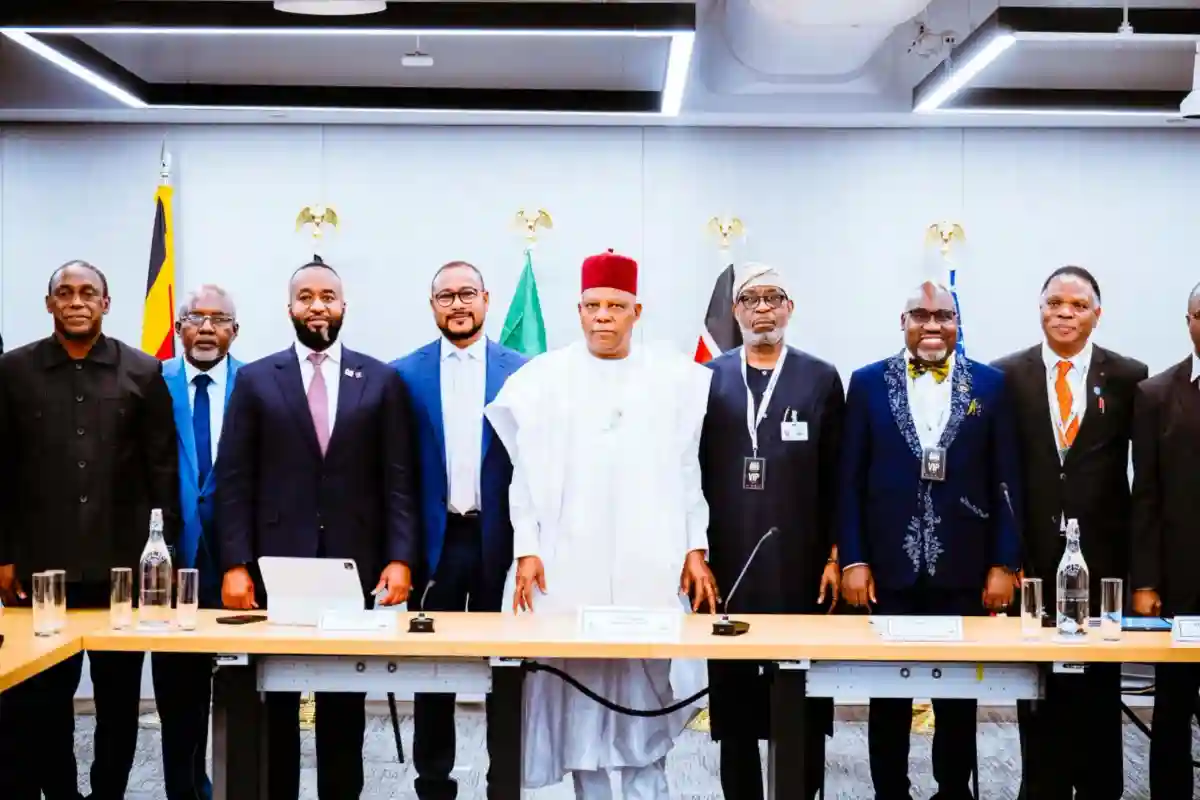
President Bola Tinubu has urged African nations to take bold steps in reshaping the global financial architecture around the continent’s mineral resources, stressing that it was time for Africa to not only finance its mineral sector but also assert real influence in global supply chains.
Speaking through Vice President Kashim Shettima at the Second Africa Minerals Strategy Group (AMSG) High-Level Roundtable on Critical Minerals Development in Africa, held on the sidelines of the 80th United Nations General Assembly in New York, Tinubu maintained that sovereignty could only be safeguarded if African countries controlled the destiny of their mineral economies.
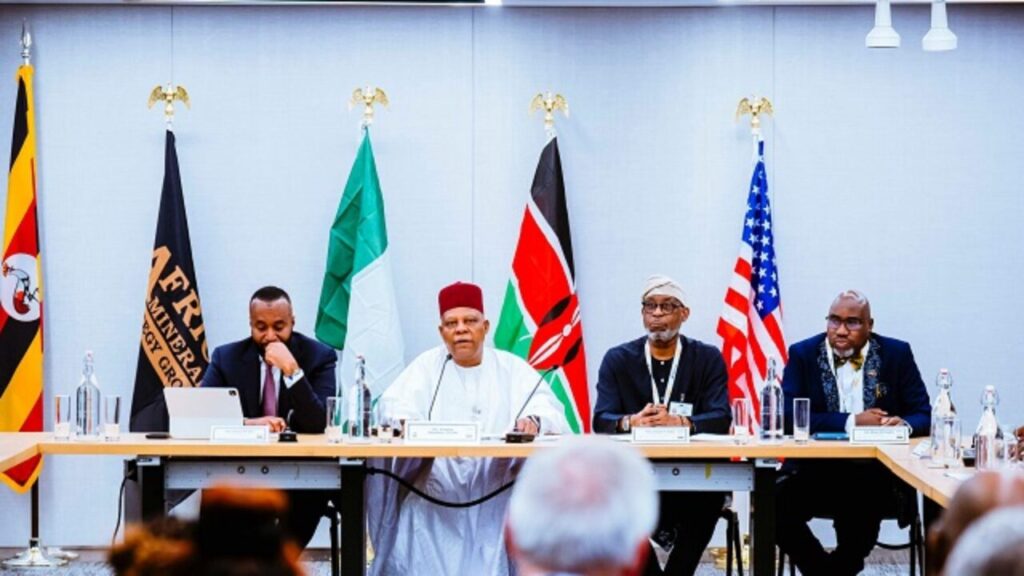
In a statement by his Senior Special Assistant on Media & Communications, Stanley Nkwocha, the President declared: “We must take the bull by the horns in financing our future. Never again shall we wait for capital to trickle in. With sovereign funds, blended vehicles, and innovation tools like the Africa Mineral Token, Africa shall finance Africa. To safeguard this sovereignty, we must guard our cobalt, lithium, graphite, gold, and rare earths not as fragmented states but as one continental bloc, wielding collective power in global supply chains.”
Tinubu outlined four imperatives for unlocking Africa’s mineral future: moving up the value chain through beneficiation and green manufacturing; owning geological data through frameworks like the African Minerals and Energy Resource Classification (AMREC) and Pan-African Resource Reporting Code (PARC); accelerating state-led mineral exploration and mapping; and ensuring Africa finances Africa with its own resources and tools.
He highlighted ongoing reforms across the continent, citing Zimbabwe’s ban on raw lithium exports in 2022, Gabon’s planned halt of manganese exports by 2029, and Kenya’s restrictions on raw gold. Nigeria, he assured, was implementing similar reforms as part of the Renewed Hope Agenda.
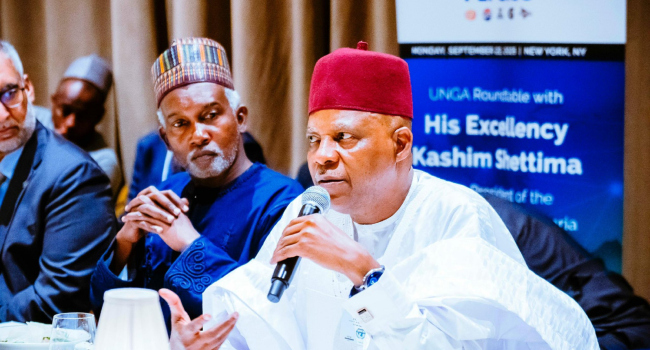
The President also praised Nigeria’s Minister of Solid Minerals Development, Dr. Dele Alake, who chaired the roundtable, and Uganda’s Secretary-General, Moses Michael Engadu, for steering the continent towards a mineral-led renaissance.
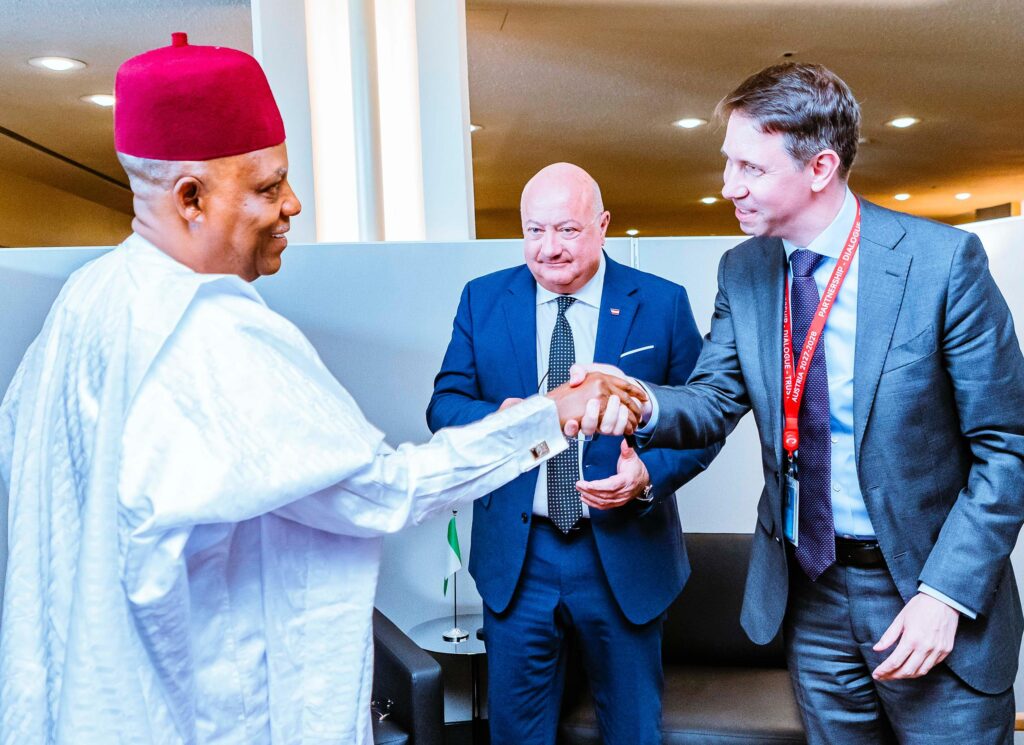
UNDP’s Ahunna Eziakonwa, who spoke at the event, warned African leaders to be mindful of exploitation, urging them to ensure partnerships that guarantee technology transfer, beneficiation, and job creation. Similarly, Jozef Stkela, EU Commissioner for International Partnership, noted that the European Union had adopted the Critical Raw Materials Act in 2024, sealing 14 global partnerships on mineral value chains, including four in Africa.
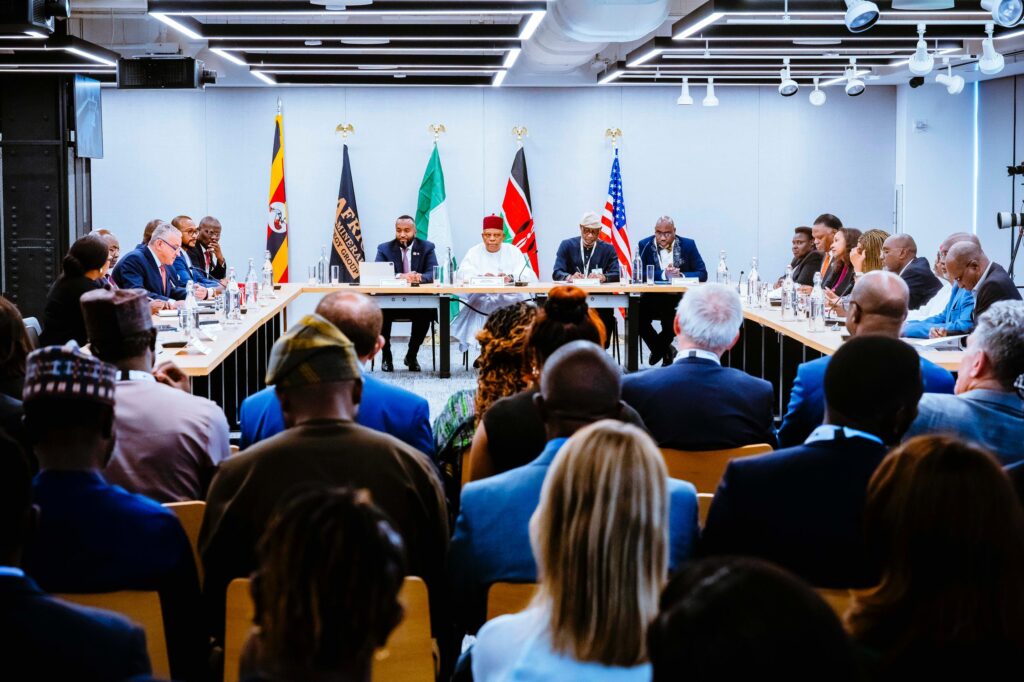
In his closing remarks, President Tinubu pledged Nigeria’s “unflinching commitment” to ensuring that the AMSG delivers a mineral-led transformation, adding, “Let us rise from this dialogue with a communiqué of clarity, a framework for action, and a spirit of unity.”
What you should know
President Bola Tinubu has consistently pushed for economic reforms under his Renewed Hope Agenda, with minerals seen as a key driver of Africa’s industrial future.
By advocating collective control, beneficiation, and self-financing, Tinubu is positioning Africa to break free from the cycle of exporting raw resources and importing finished goods, a shift that could redefine the continent’s role in global trade.