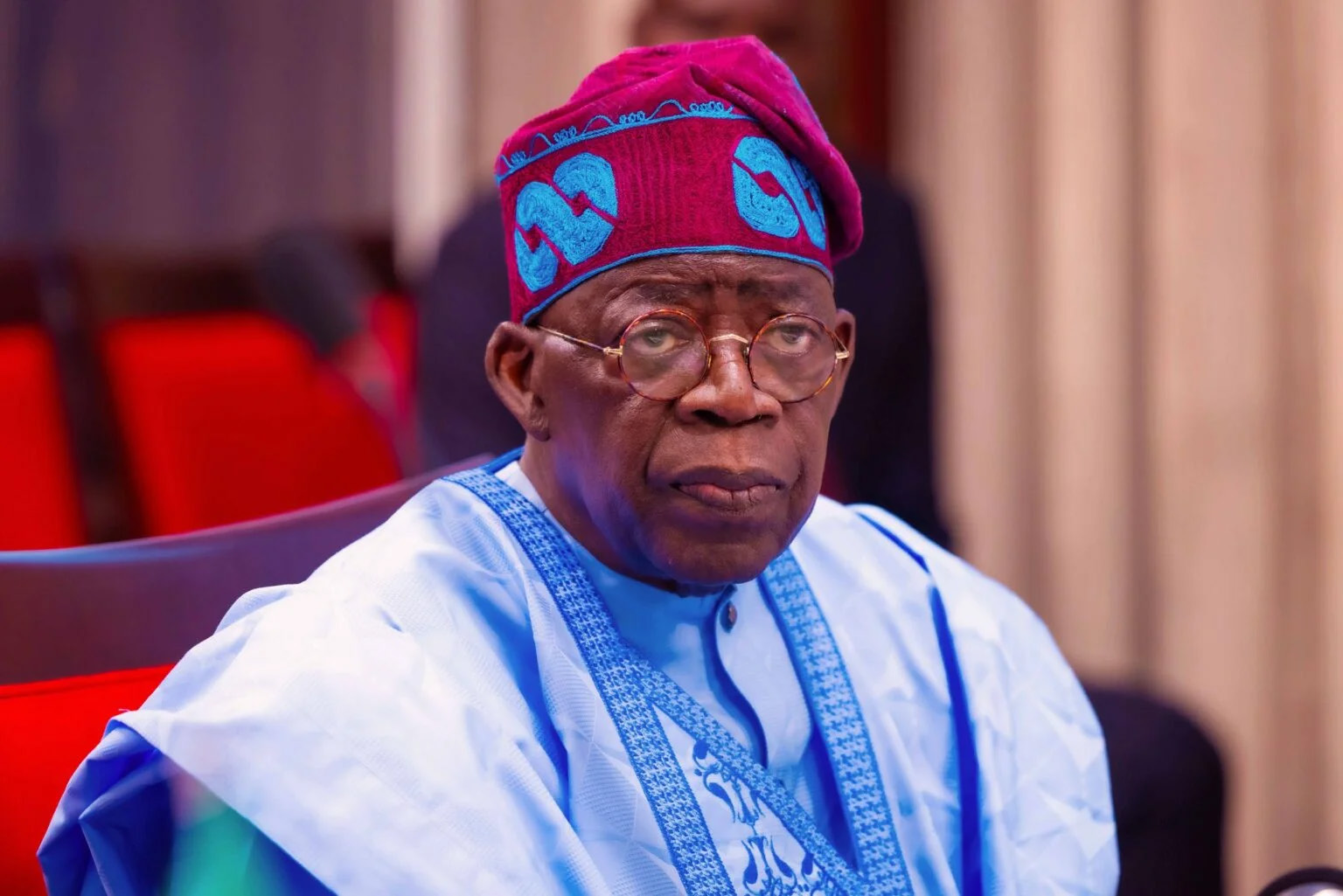
In what appears to be a significant economic boost for Ogun State and Nigeria’s southwest region, President Bola Tinubu has greenlit commercial oil exploration activities at Tongeji Island in the Ipokia Local Government Area, while simultaneously reviving the long-stalled Olokola Deep Seaport project.
Governor Dapo Abiodun made the announcement Thursday during a courtesy visit by Rear Admiral Abubakar Abdullahi Mustapha, Flag Officer Commanding the Western Naval Command, at the governor’s office in Oke-Mosan, Abeokuta.
The twin approvals represent a major policy shift for the region, bringing to fruition projects that have languished in bureaucratic limbo for years. The Olokola Deep Seaport, in particular, has been described as a “multibillion-dollar project” that has remained largely on paper despite decades of planning.
Governor Abiodun emphasized that both initiatives enjoy special attention from President Tinubu, crediting the president’s personal intervention for their advancement. “Let me share with you that Mr. President has approved the commencement of commercial oil drilling operations at Tongeji Island, and going forward, you will begin to see a lot of activities there,” Abiodun told naval officers and senior government officials present.
On the seaport project, the governor revealed that intensive discussions have taken place in recent weeks. “Our proposed Olokola Port, which has been on the drawing board for several years, is now back on the table. I want to sincerely thank Mr. President because this is solely his initiative. In the last two weeks alone, we have held several meetings on Olokola, and Mr. President has clearly expressed his desire to see the port become a reality.”
The urgency is apparent: President Tinubu has reportedly directed that construction progress significantly between now and 2026, underscoring the administration’s determination to make the project operational within a compressed timeframe.
The Olokola Deep Seaport, to be rebranded as the Blue Marine Economic Zone, is positioned as a critical infrastructure intervention aimed at decongesting Nigeria’s overburdened Lagos port system. With maritime traffic increasingly overwhelming existing facilities in Lagos, the new port in Ogun Waterside Local Government Area offers an alternative gateway for international trade, potentially reshaping the logistics landscape of southwest Nigeria.
Governor Abiodun noted that the ongoing construction of a coastal road would provide complementary infrastructure, creating an efficient logistics corridor to support port operations and enhance cargo movement.
Meanwhile, commercial oil drilling at Tongeji Island carries both economic and social dimensions. The governor characterized the venture as promoting “inclusion and economic empowerment for residents of coastal communities,” suggesting the project could generate employment and revenue for historically marginalized populations along Nigeria’s southwestern coastline.
The announcements come against a backdrop of enhanced military presence in the area. Rear Admiral Mustapha disclosed plans to upgrade the existing naval outpost at Tongeji Island to a full Forward Operations Base, citing the island’s emerging oil potential and strategic location along Nigeria’s border with the Republic of Benin.
“Ogun State is critical and strategic to Nigeria’s national security,” the naval commander stated, explaining that the base would help safeguard Nigeria’s territorial waters and prevent criminal infiltration from neighboring countries.
Governor Abiodun welcomed the military reinforcement, acknowledging that the naval presence would be essential to protecting oil infrastructure and preventing security breaches from across the border. He committed his administration to providing basic amenities for island residents to support both the local population and the expanding economic activities.
While the approvals signal positive momentum, critical details remain unclear. Neither the governor nor naval officials provided specifics on the investors involved in the oil drilling operations, projected timelines for first oil production, or the estimated reserves at Tongeji Island. Similarly, funding arrangements, construction timelines, and private sector participation in the seaport project were not addressed in Thursday’s announcement.
Environmental impact assessments, community consultation processes, and potential displacement concerns associated with both projects also remain subjects for future clarification.
For now, the state government and federal authorities appear focused on building momentum around what they describe as transformative infrastructure and resource development initiatives that could reshape Ogun State’s economic trajectory in the years ahead.
Governor Abiodun praised the collaboration between state authorities and security agencies, noting that the partnership has contributed to maintaining relative peace in Ogun State. He expressed confidence that under Rear Admiral Mustapha’s leadership, security would be further enhanced to support the state’s development agenda.
The coming months will reveal whether presidential approval translates into concrete action on the ground or whether these ambitious projects will join the long list of announced initiatives that fail to materialize in Nigeria’s challenging investment climate.
WHAT YOU SHOULD KNOW
President Tinubu has approved two major economic projects for Ogun State: commercial oil drilling at Tongeji Island and the revival of the long-delayed Olokola Deep Seaport (to be renamed the Blue Marine Economic Zone). The oil project promises economic empowerment for coastal communities, while the seaport aims to ease congestion at Lagos ports and provide an alternative trade gateway for southwest Nigeria.
The Nigerian Navy is upgrading its presence at Tongeji Island to secure the oil assets and protect the border with the Benin Republic. While these approvals mark significant progress after years of delay, critical details about investors, timelines, funding, and environmental considerations remain undisclosed.
The real test lies ahead: whether presidential backing will translate into actual implementation or join Nigeria’s list of unfulfilled infrastructure promises.