Thailand is bracing for sweeping fuel conservation measures as the ripple effects of the ongoing Middle East conflict continue to threaten global energy supplies.
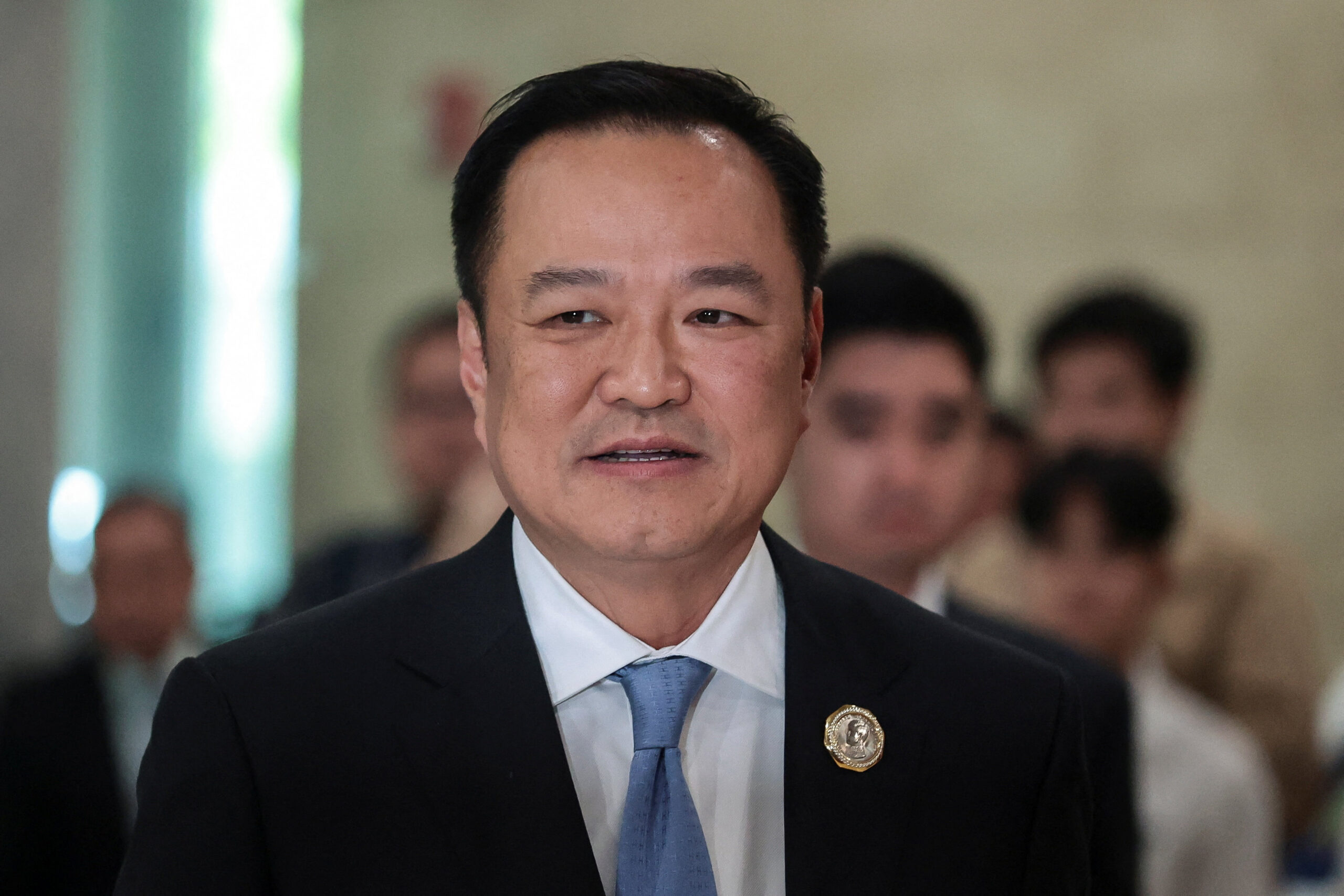
Prime Minister Anutin Charnvirakul announced on Tuesday that his government is seriously weighing mandatory overnight closures of petrol stations across the country.
The proposed restrictions, which could take effect as early as April 20, would bar fuel sales between 10:00 pm and 5:00 am — a move that signals just how acutely Southeast Asia’s second-largest economy is feeling the strain of a war thousands of miles away.
The announcement came barely 24 hours after Anutin’s freshly constituted cabinet was sworn in late Monday, thrusting the new administration headfirst into one of its most pressing challenges yet. Rather than easing into office, the prime minister wasted no time addressing a restless public rattled by successive fuel price hikes in late March and early April.
Speaking to reporters in Bangkok, Anutin sought to balance urgency with reassurance, pledging that the proposed curfew would not disrupt the beloved Songkran holiday — Thailand’s cherished New Year celebration, officially observed from Monday through Wednesday next week.
“Petrol station closing hours may start after people return from their Songkran trips and resume normal life,” Anutin said, acknowledging the cultural weight of a festival that sends millions of Thais packing into vehicles for long road trips to visit family in their home provinces.
Despite projecting calm, the prime minister’s broader message was unmistakably sobering. In a formal statement issued Monday, Anutin called on citizens to work from home and embrace public transit, framing individual conservation efforts as a matter of national resilience.
“Although Thailand maintains oil reserves at a relatively high level compared with other countries, we remain vulnerable as a nation that must import large volumes of oil from various oil-exporting countries,” he said. “We cannot be complacent or continue managing oil matters in the same way as before.”
It is a striking admission from a government still finding its footing — one that lays bare the structural fragility of Thailand’s energy security at a moment when the US-Israel conflict against Iran continues to roil international fuel markets and send shivers through import-dependent economies across Asia.
Beyond the geopolitical headwinds, Anutin has been unsparing in his criticism closer to home. Last week, the conservative leader publicly lambasted oil traders for what he described as “excessive profiteering,” pointing the finger squarely at those he accused of stockpiling fuel reserves or smuggling supplies abroad — practices he blamed for artificial shortages and relentlessly climbing prices at the pump.
The allegations have struck a nerve with ordinary Thais already squeezed by the cost of living, and they have intensified calls for tougher regulatory oversight of the country’s fuel distribution chain.
For now, the overnight closure proposal remains under deliberation, with a formal decision expected in the coming days. Should it be enacted, Thailand would join a growing number of nations forced to implement emergency energy protocols in response to a conflict whose economic shockwaves show no sign of abating.
For the millions of Thais currently filling up their tanks and hitting the road for Songkran, it may well be the last taste of fuel freedom for some time. When the holiday dust settles and the country returns to its daily rhythm, a new — and more austere — energy reality may be waiting at the pump.
WHAT YOU SHOULD KNOW
Thailand’s new government is moving swiftly to implement overnight petrol station closures — potentially from April 20 — as the Middle East conflict squeezes global fuel supplies and drives prices higher at home.
Despite relatively stable reserves, Thailand’s heavy dependence on oil imports leaves it dangerously exposed to international shocks. Combined with domestic profiteering allegations and public frustration over rising fuel costs, the country faces an energy reckoning that demands both government action and citizen responsibility.
Conservation is no longer optional — it is a national imperative.