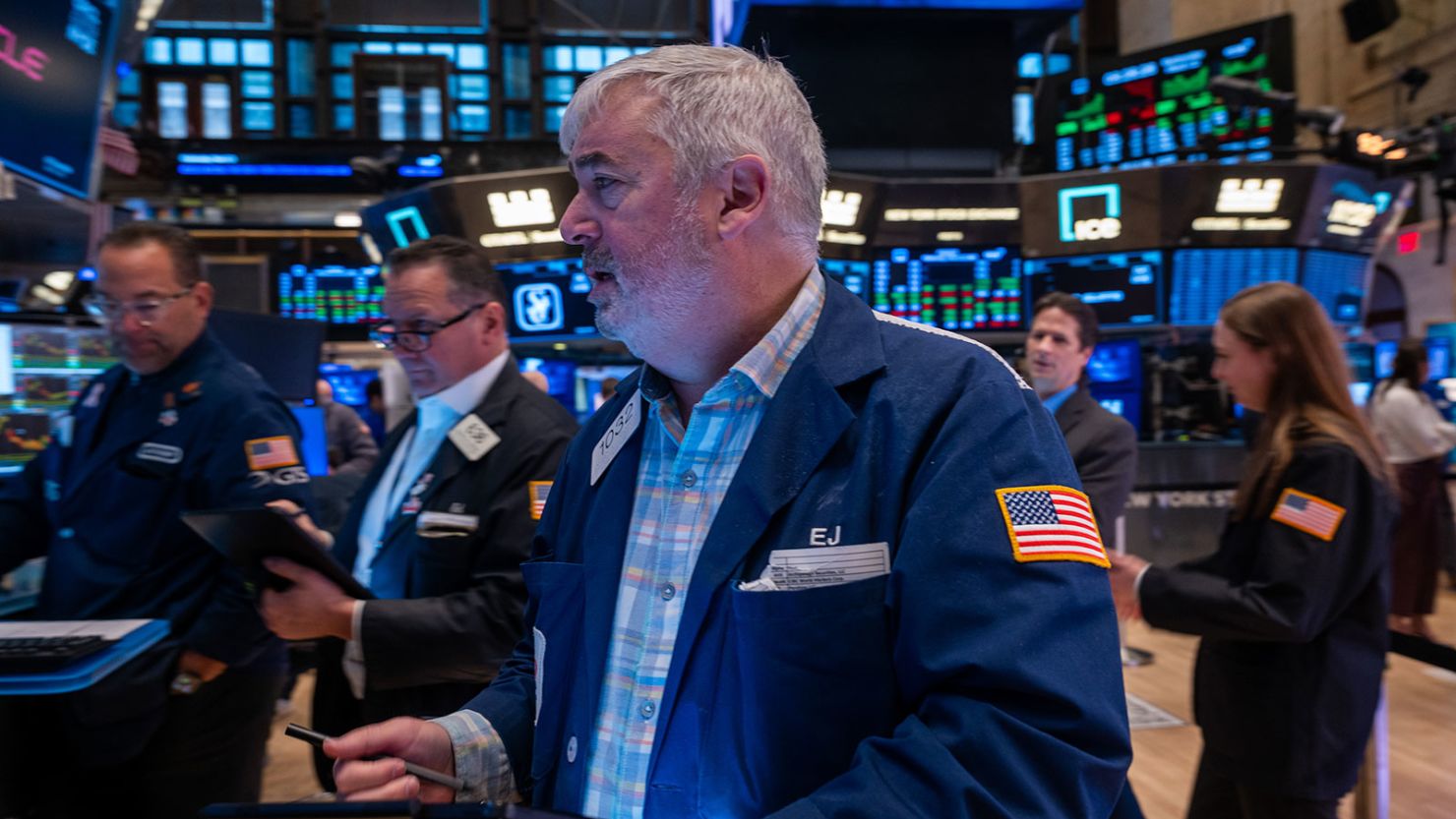
Wall Street shrugged off escalating Middle East tensions on Monday, with major stock indexes posting solid gains as investors appeared to separate geopolitical risks from underlying market fundamentals.
The cautious optimism came despite U.S. forces striking three Iranian nuclear sites on Sunday, marking America’s direct entry into the Israel-Iran conflict.
The benchmark S&P 500 gained 0.48% to close at 5,996.73, while the technology-heavy Nasdaq Composite rose 0.56% to 19,556.61. The Dow Jones Industrial Average added 0.23% to finish at 42,302.45, though all three indexes remain below recent peaks as investors navigate an increasingly complex geopolitical landscape.
Tesla Drives Market Optimism with Robotaxi Debut
Leading Monday’s rally was Tesla, whose shares surged 9.5% after the electric vehicle maker deployed a small group of self-driving taxis picking up paying passengers on Sunday in Austin, Texas. The long-awaited robotaxi launch represents a pivotal moment for CEO Elon Musk’s vision of transforming Tesla from an automaker into an autonomous vehicle and artificial intelligence company.
The initial rides will be in the Model Y and not the futuristic-looking CyberCab, with Tesla planning to expand its Austin fleet later this year. The service launch had faced regulatory scrutiny and protests from local lawmakers, but Musk pushed ahead with the deployment as planned.
Oil Market Volatility Reflects Middle East Uncertainty
Energy markets displayed the classic pattern of initial panic followed by cautious reassessment. Oil prices, which had spiked to five-month highs following the weekend strikes, retreated more than 1% to $76.20 per barrel as traders evaluated the immediate supply impact. At least two supertankers made U-turns near the Strait of Hormuz following U.S. military strikes on Iran, though broader shipping lanes remained operational.
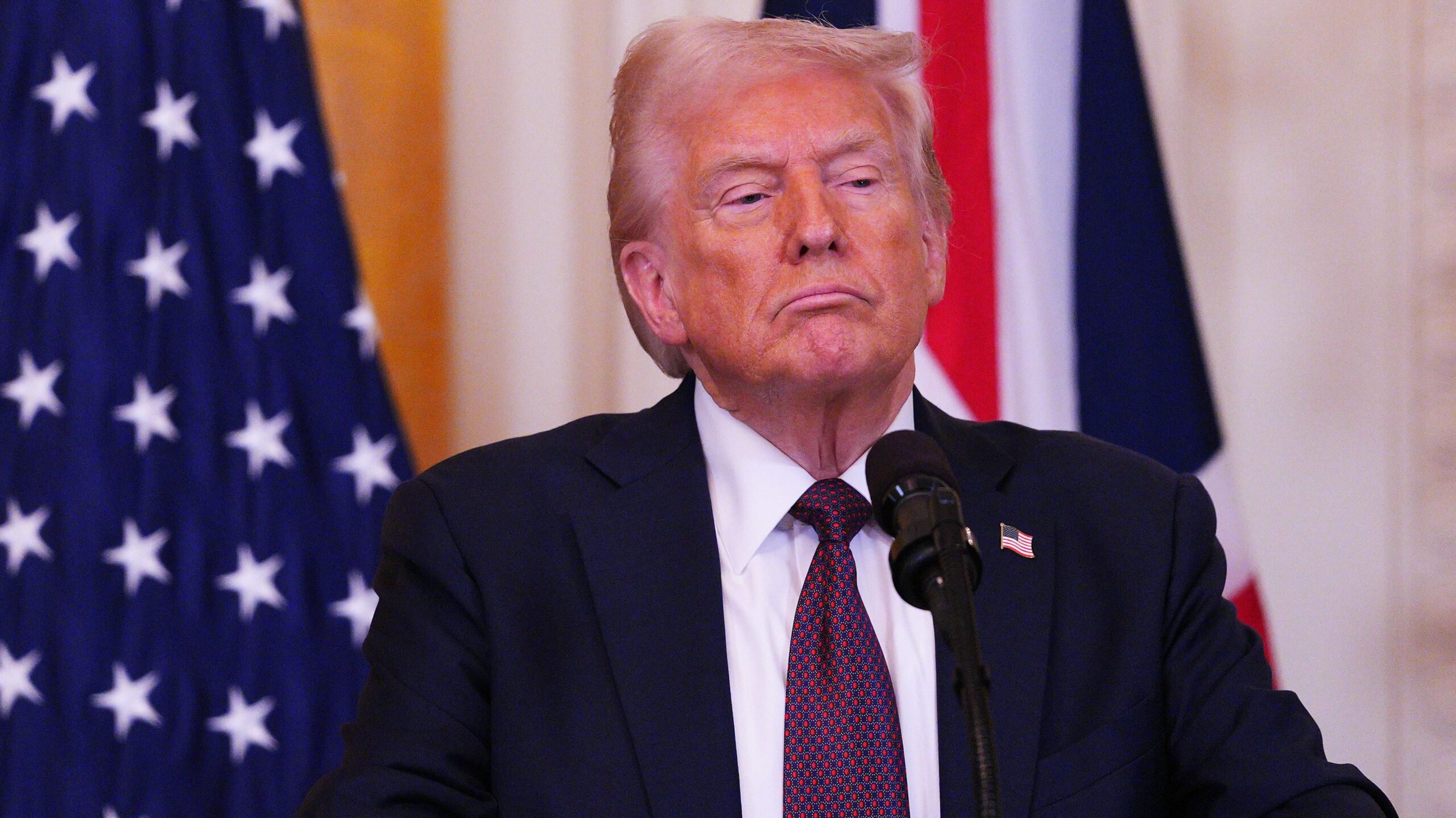
The U.S. military action, dubbed “Operation Midnight Hammer”, targeted Iran’s nuclear infrastructure, including the Fordow and Natanz facilities. Trump said the U.S. hit the Fordow, Natanz, and Isfahan nuclear sites, with Iran’s foreign minister calling it a “dangerous military operation.”
Market Resilience Reflects Historical Pattern
Veteran market watchers noted that equities have historically shown resilience to Middle East conflicts, with investors betting on contained regional impact rather than global escalation. “There’s a sense that investors are conditioned not to think that geopolitical conflicts in the Middle East will have a long-term impact on the market,” said Ross Mayfield, investment strategist at Baird.
This measured response comes despite Iran’s repeated threats of retaliation and much of Tehran’s 10 million population fleeing after 10 days of bombing. The S&P 500 remains approximately 2.3% below its record levels, suggesting investors are maintaining a cautious but not panicked stance.
Economic Data and Fed Policy in Focus
Beyond geopolitical headlines, markets are grappling with mixed economic signals that could influence Federal Reserve policy. U.S. business activity showed marginal slowing in June, while prices continued rising amid President Trump’s expanded tariff policies, raising questions about inflation’s trajectory in the second half of 2025.
However, recently appointed Fed Vice Chair for Supervision Michelle Bowman offered a more dovish perspective, suggesting rate cuts could be approaching as she grows more concerned about employment risks and less worried about tariff-driven inflation.
Individual Stock Movements Tell Broader Story
Beyond Tesla’s robotaxi-fueled surge, the session featured notable individual stock movements that reflected broader market themes. Pharmaceutical giant Eli Lilly gained 1.3%, while competitor Novo Nordisk tumbled 5.4% after disappointing trial data on its experimental obesity drug failed to meet investor expectations.
Financial services firm Northern Trust soared 8.6% following reports of a potential merger approach from Bank of New York Mellon, while fintech company Fiserv rose nearly 2% on news of a new digital asset platform launch.
The session’s market breadth was constructive, with advancing issues outnumbering decliners by nearly 2-to-1 on the New York Stock Exchange, suggesting broad-based participation in the rally rather than narrow leadership from a few large-cap names.
As markets look ahead, investors will parse upcoming economic data, including core PCE inflation figures and final GDP readings, alongside Fed Chair Jerome Powell’s semi annual congressional testimony.
The challenge remains balancing geopolitical uncertainty with underlying economic fundamentals in an environment where both traditional market drivers and unprecedented global tensions compete for attention.
WHAT YOU SHOULD KNOW
U.S. markets rose Monday despite America’s direct military strikes on Iranian nuclear facilities, with Tesla leading gains after launching its first paying robotaxi service in Austin. The rally suggests investors are betting that Middle East tensions won’t derail the broader economy, though oil prices remain volatile and the S&P 500 stays 2.3% below record highs as markets await Iran’s response and key Fed policy signals this week.