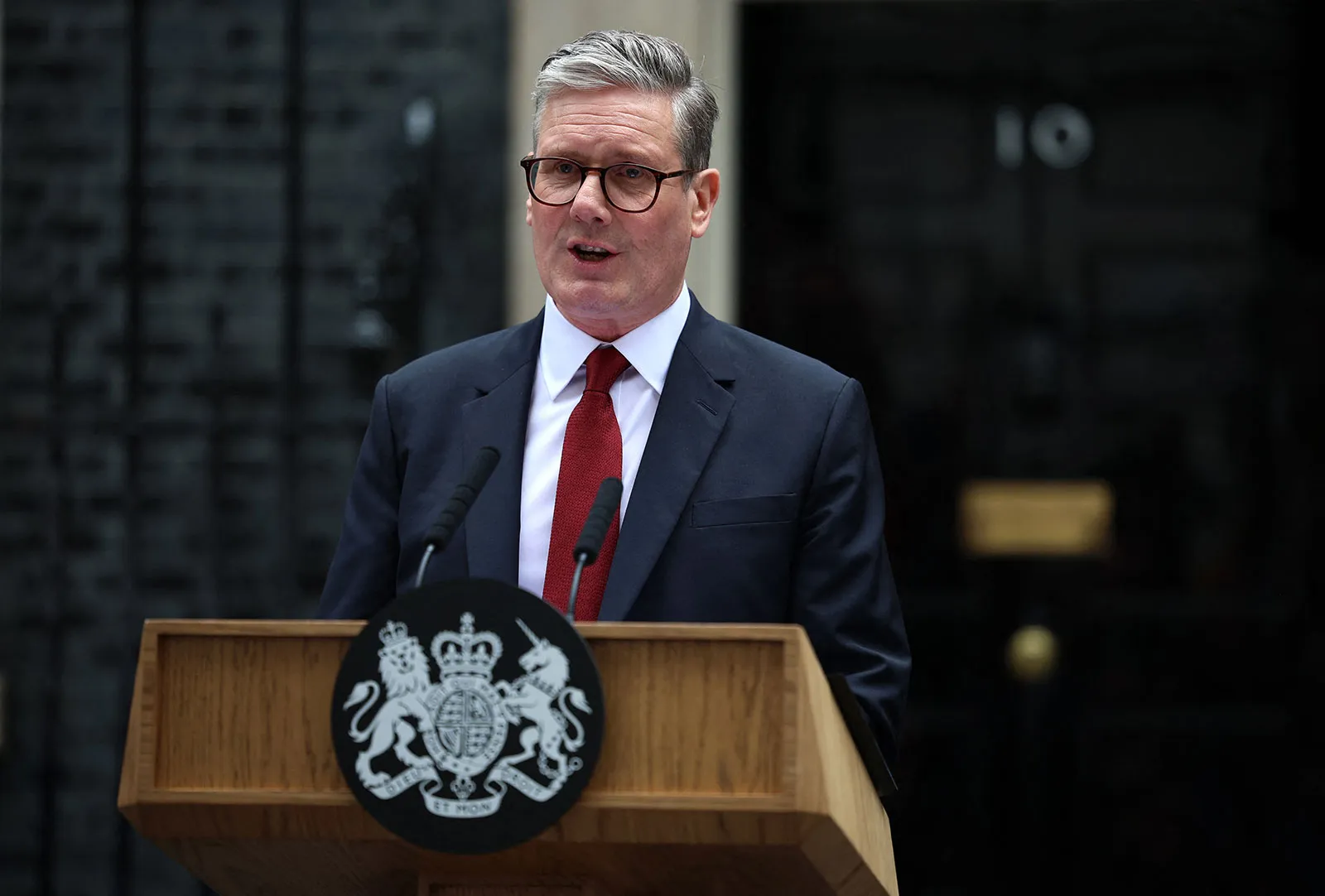
British Prime Minister Keir Starmer has moved to suspend several Members of Parliament from the ruling Labour Party following a rebellion over contentious welfare reform proposals, marking a decisive move to reinforce internal discipline amid growing dissent within his ranks.
On Wednesday, Labour MPs Brian Leishman, Neil Duncan-Jordan, Rachael Maskell, and reportedly Chris Hinchliff, were suspended after voting against a government-backed bill aimed at cutting disability and sickness benefits. Their defiance came despite Starmer’s earlier reversal on parts of the policy under mounting pressure from within his party.
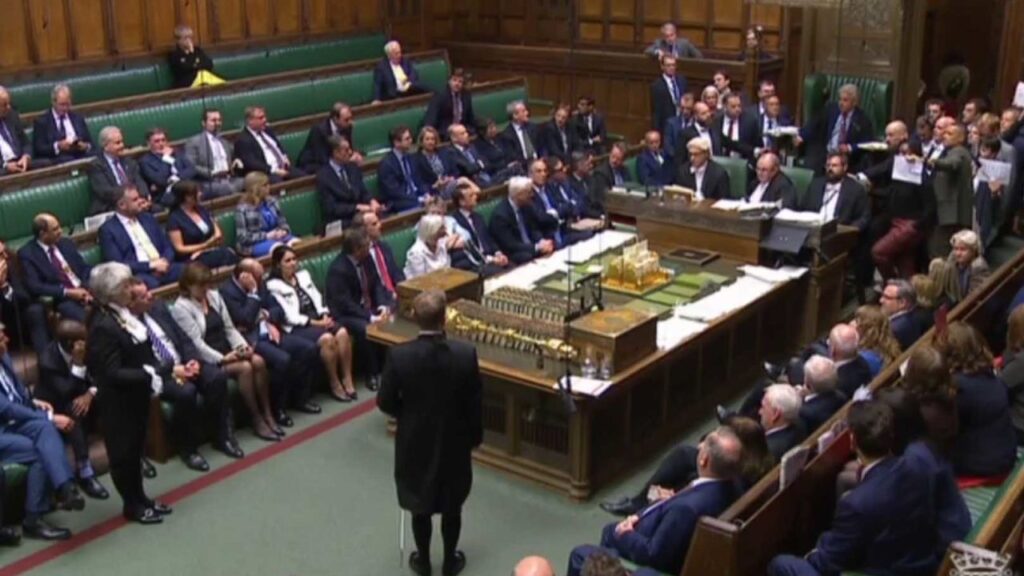
The rebellion culminated in a rare climbdown for the Prime Minister earlier this month, when dozens of MPs had threatened to reject the proposals entirely, forcing him to amend the welfare cuts to avoid a major parliamentary defeat.
While Leishman’s office confirmed his temporary suspension, Duncan-Jordan openly acknowledged the consequences of his actions, stating: “I understood that voting against the government could come at a cost, but I couldn’t support making disabled people poorer.”
Rachael Maskell, also affected by the disciplinary action, responded by urging Starmer to seek unity within his party. She expressed the hope that bridges could be rebuilt between the leadership and its backbenchers, believing that doing so would ultimately “make him a better prime minister.”
Starmer, who came into office following a landslide Labour victory in the general election just over a year ago, has had a tumultuous start to his premiership. Several policy U-turns, including a reversal of a plan to end winter heating benefits for pensioners and an unexpected agreement to launch a national inquiry into the UK child sex exploitation scandal, have contributed to a slide in his popularity.
Political scientist Steven Fielding of the University of Nottingham described Starmer’s recent suspensions as an attempt to reassert authority and deter future revolts. “He wants to send a signal to all the others that rebelled… if you keep going, this is going to be your fate,” Fielding said. However, he warned that the approach might backfire, especially given the sizable number of MPs disillusioned by the leadership’s recent direction. “He needs to talk and understand why the MPs are doing this,” Fielding advised.
The Labour Party has yet to officially comment on the suspensions.
Despite having a commanding majority of around 160 MPs, Starmer is facing increasing challenges not from the opposition benches but from within his own ranks. Many MPs are concerned that Labour’s centrist shift under Starmer, particularly his sharp focus on countering the hard-right Reform UK party led by Nigel Farage, is straining the party’s historical commitment to social justice and centre-left values.
Recent polling has shown Labour trailing Reform in several surveys, a remarkable turnaround given Labour’s sweeping victory in 2024 which ended 14 years of Conservative rule. Starmer’s struggle to navigate party unity while holding on to his broad voter base may well define the remainder of his term.
As the backlash from within continues to grow, Wednesday’s suspensions signal that Starmer is unwilling to tolerate open defiance, even at the risk of further alienating members of his own party.
What you should know
Prime Minister Keir Starmer has suspended four Labour MPs who voted against controversial welfare reforms, in a move seen as a crackdown on internal dissent.
This action follows a series of policy U-turns and growing discontent within Labour’s ranks over the party’s direction and perceived abandonment of core principles.