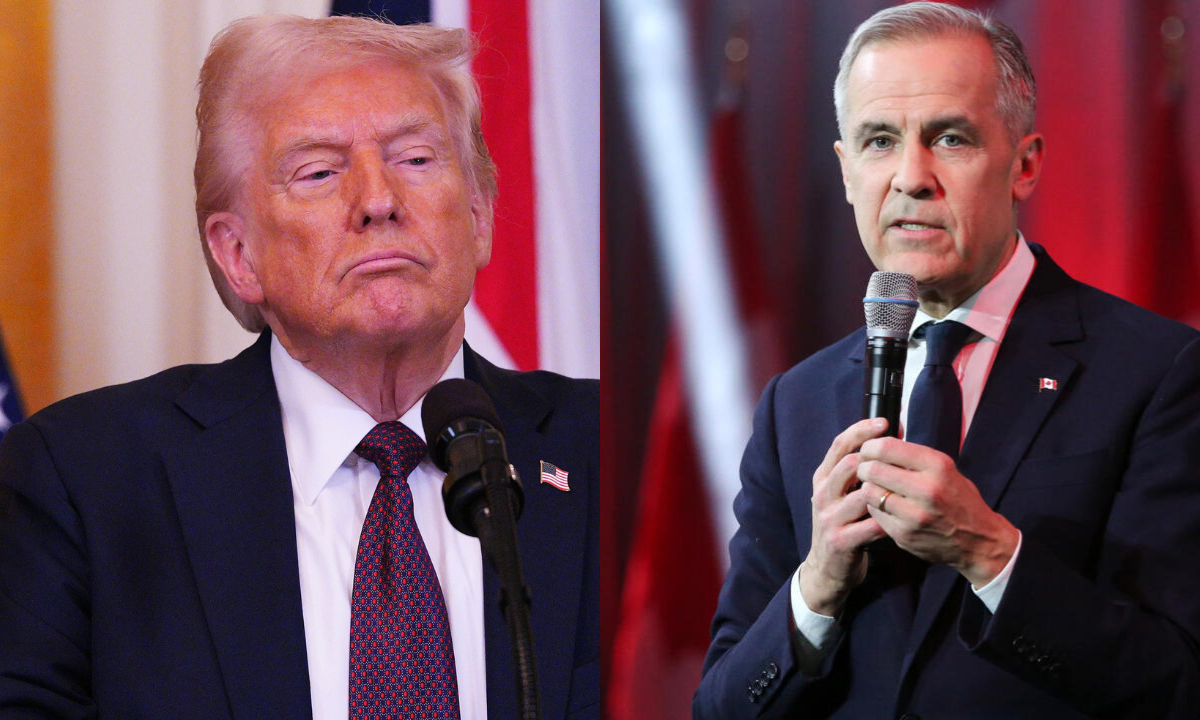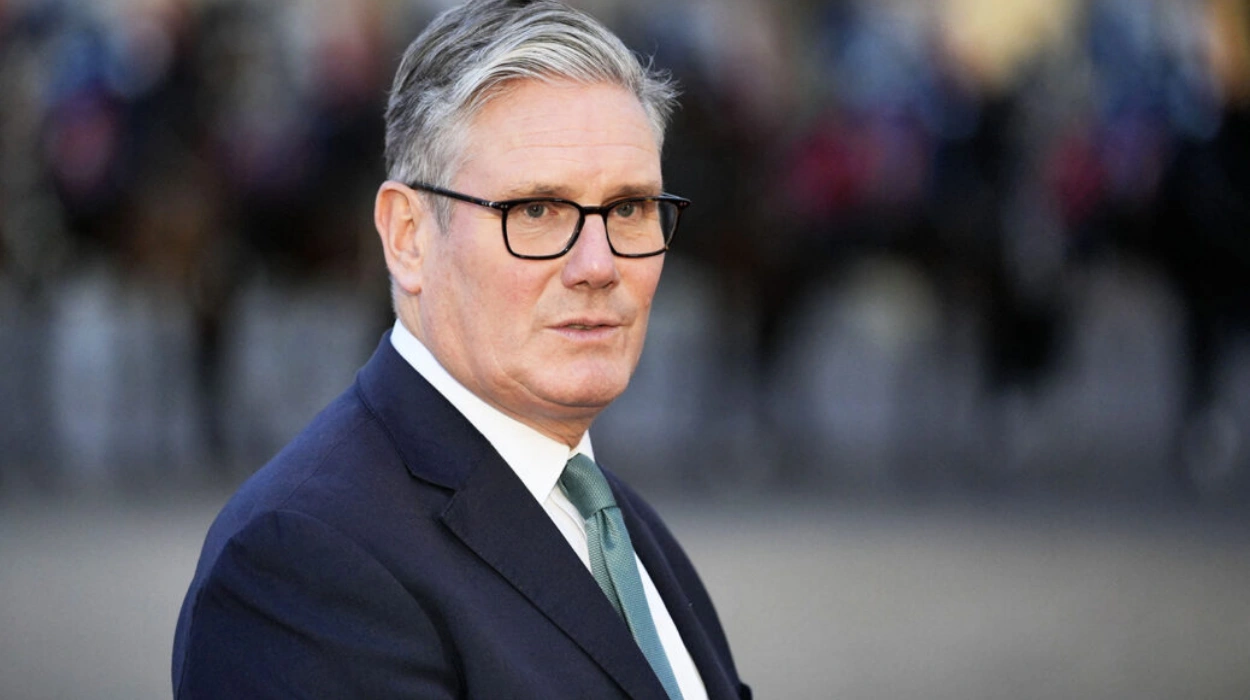
UK Prime Minister Keir Starmer on Friday described as “insulting” comments by President Donald Trump suggesting that NATO allies avoided frontline combat during the war in Afghanistan, as criticism of the US president intensified across Britain and Europe.
Trump made the remarks during an interview with Fox News aired on Thursday, appearing to overlook the fact that 457 British soldiers were among NATO personnel killed during the Afghanistan conflict that followed the September 11, 2001 attacks on the United States.
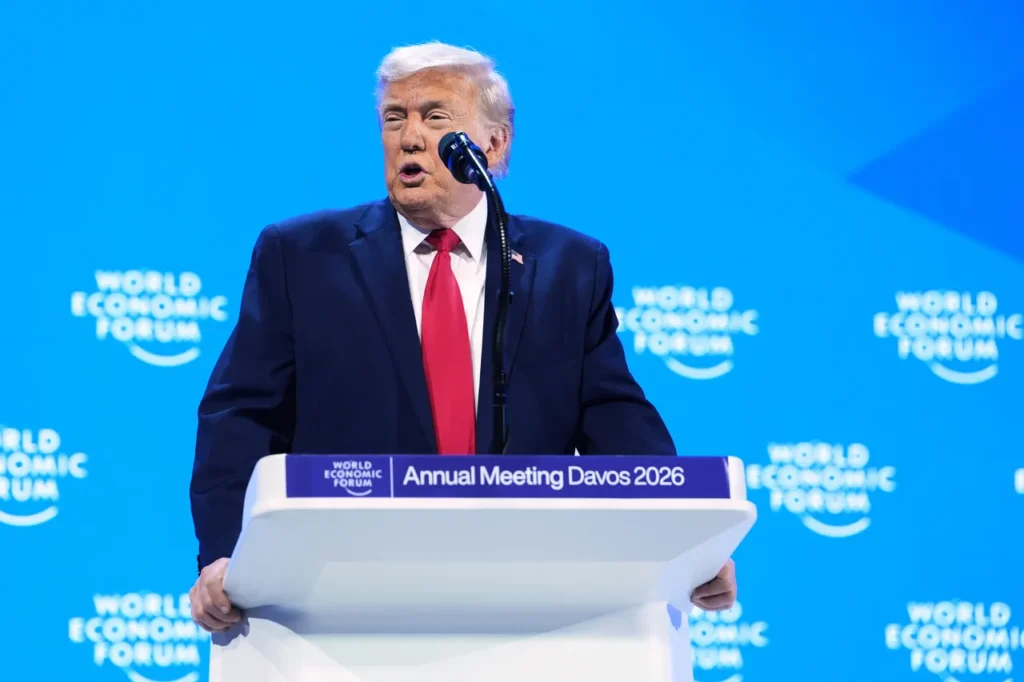
“They’ll say they sent some troops to Afghanistan,” Trump said, referring to NATO allies. “And they did, they stayed a little back, a little off the front lines,” he added, sparking widespread outrage in the UK political space.
Trump also repeated his long-standing claim that NATO allies would not defend the United States if it were attacked. Following 9/11, however, the UK and several European nations joined the US in Afghanistan after NATO invoked its collective defence clause for the first and only time in its history.
Troops from countries including Canada, France, Germany, Italy and Denmark also lost their lives during the conflict.
“Let me start by paying tribute to 457 of our armed services who lost their lives in Afghanistan,” Starmer said in a video message. “There are many also who were injured, some with life-changing injuries, and so I consider President Trump’s remarks to be insulting and frankly, appalling, and I’m not surprised they’ve caused such hurt to the loved ones of those who were killed or injured.”
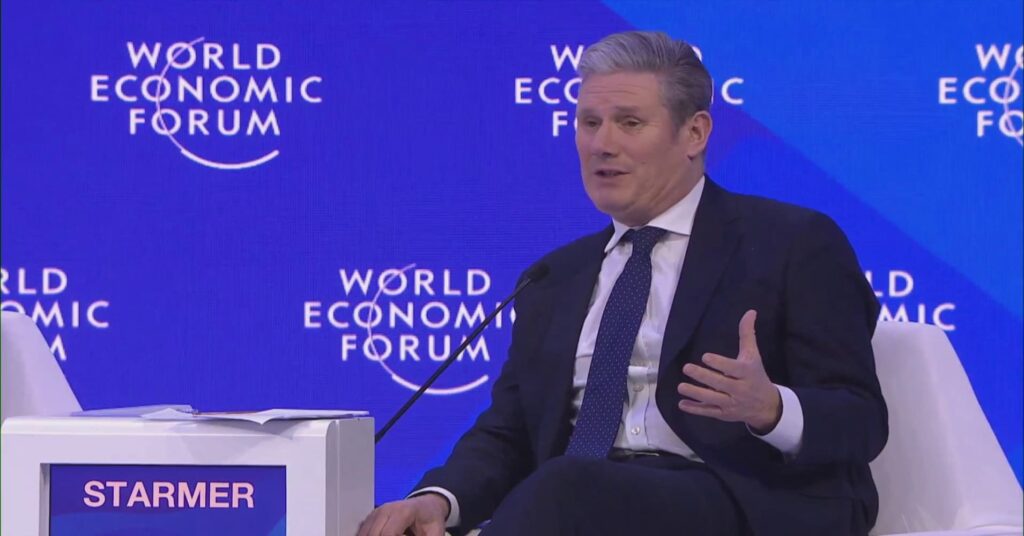
Starmer added that if he had spoken in such a manner, he “would certainly apologise”.
The White House rejected the criticism, defending Trump’s position. “President Trump is absolutely right—the United States of America has done more for NATO than any other country in the alliance has done combined,” White House spokeswoman Taylor Rogers said in a statement.
Anger over Trump’s remarks spread beyond Britain. Poland’s Defence Minister Wladyslaw Kosiniak-Kamysz said respect was owed to Polish veterans, noting that Poland lost 43 soldiers in Afghanistan. French armed forces minister Catherine Vautrin recalled that 90 French soldiers died alongside NATO allies and said, “We remember their sacrifice, which commands respect.”
UK Defence Secretary John Healey described the fallen British soldiers as “heroes who gave their lives in service of our nation,” while Armed Forces Minister Al Carns, a five-time Afghanistan veteran, labelled Trump’s comments “utterly ridiculous”.
Opposition Conservative leader Kemi Badenoch said the remarks were “complete nonsense” that risked weakening NATO, while even long-time Trump ally Nigel Farage criticised the statement, saying, “Donald Trump is wrong. For 20 years our armed forces fought bravely alongside America’s in Afghanistan.”
Families of fallen soldiers also expressed pain. Lucy Aldridge, whose son William died aged 18 in Afghanistan, said the comments were “extremely upsetting”. Mark Atkinson, Director General of the Royal British Legion, stressed that the service of British troops “cannot be called into question”.
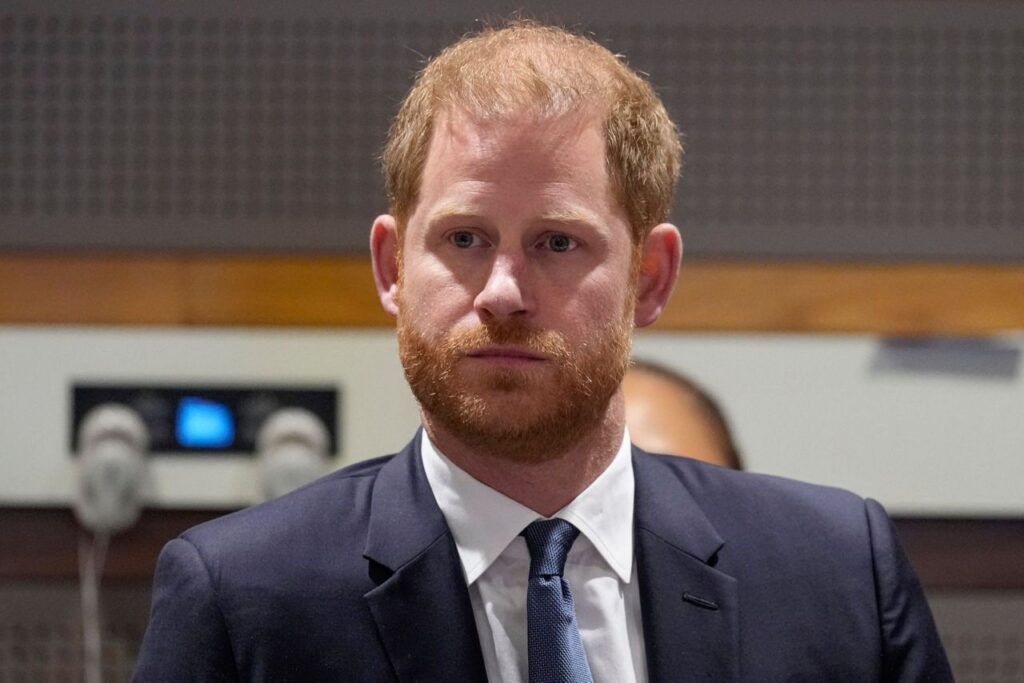
Prince Harry, who served two frontline tours in Afghanistan, also responded. “I served there. I made lifelong friends there. And I lost friends there,” he said, adding that the sacrifices made by soldiers and their families deserved to be spoken about “truthfully and with respect”.
Official UK figures show that 405 of the 457 British personnel killed in Afghanistan died as a result of hostile action. The United States reportedly lost more than 2,400 troops.
More than 150,000 UK service members were deployed to Afghanistan between 2001 and 2021, making Britain the second-largest contributor to the US-led mission.
What you should know
The backlash against President Trump’s remarks highlights enduring sensitivities surrounding the Afghanistan war and the sacrifices made by NATO allies.
Britain was a key partner in the US-led intervention, committing tens of thousands of troops over two decades and suffering heavy losses. Trump’s comments have reignited debate about NATO solidarity, historical accuracy and respect for veterans, at a time when transatlantic relations remain under strain.
The episode underscores how statements from global leaders can reopen wounds for military families and strain diplomatic alliances.